Why Post-Winter Roof Inspections Matter in Philadelphia
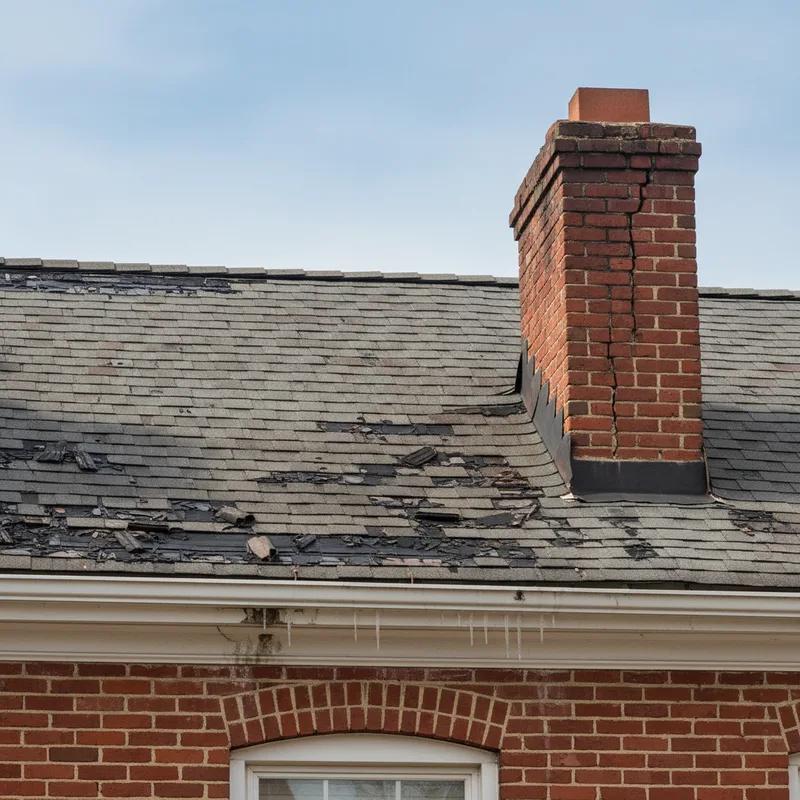
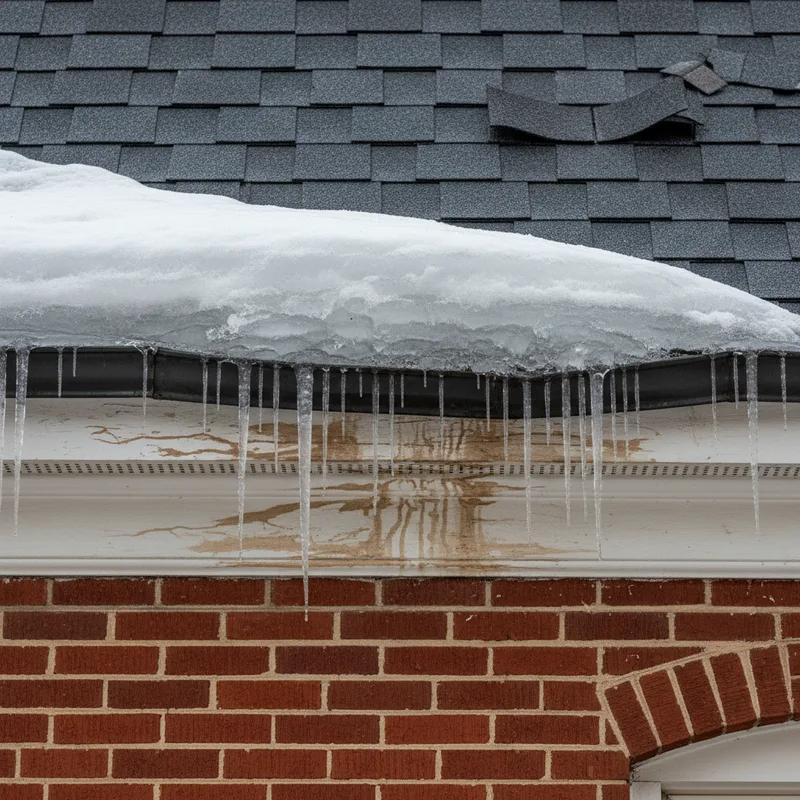
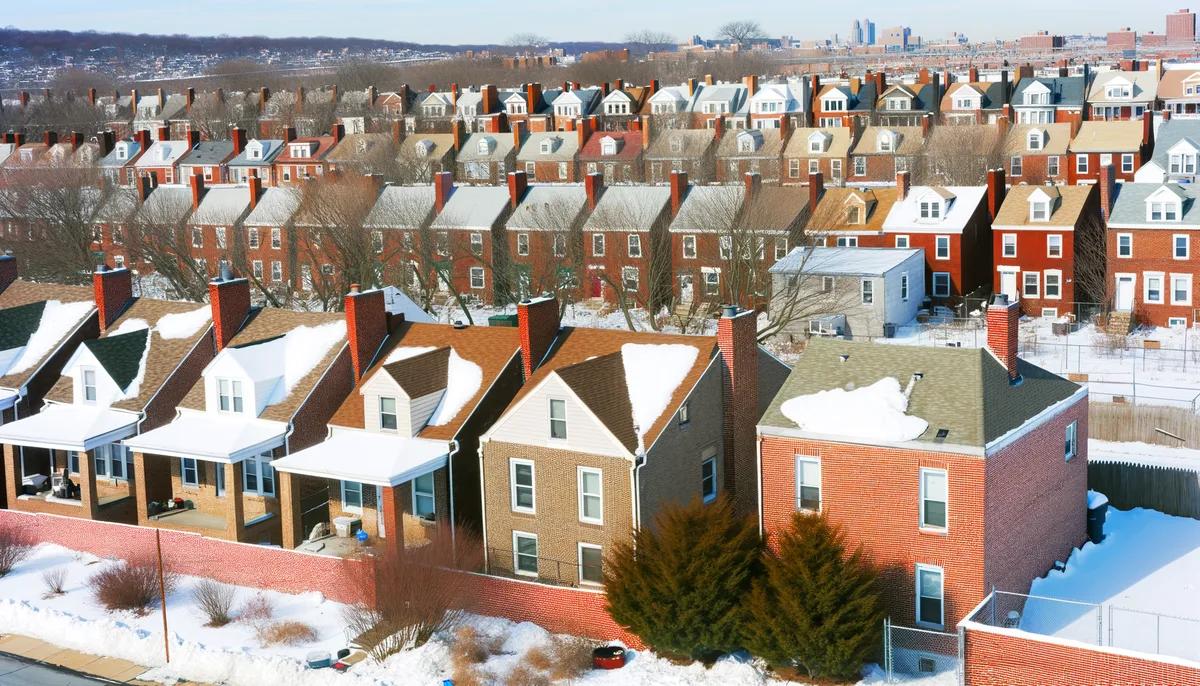
Philadelphia winters are uniquely punishing for residential roofs. The city's mid-Atlantic climate delivers a relentless mix of freezing rain, heavy snowfall, and the notorious freeze-thaw cycles that can crack, shift, and loosen roofing materials over just a few months. By the time March arrives, your roof may have endured dozens of temperature swings that push water into the smallest gaps — and then freeze, expanding those gaps into real structural problems.
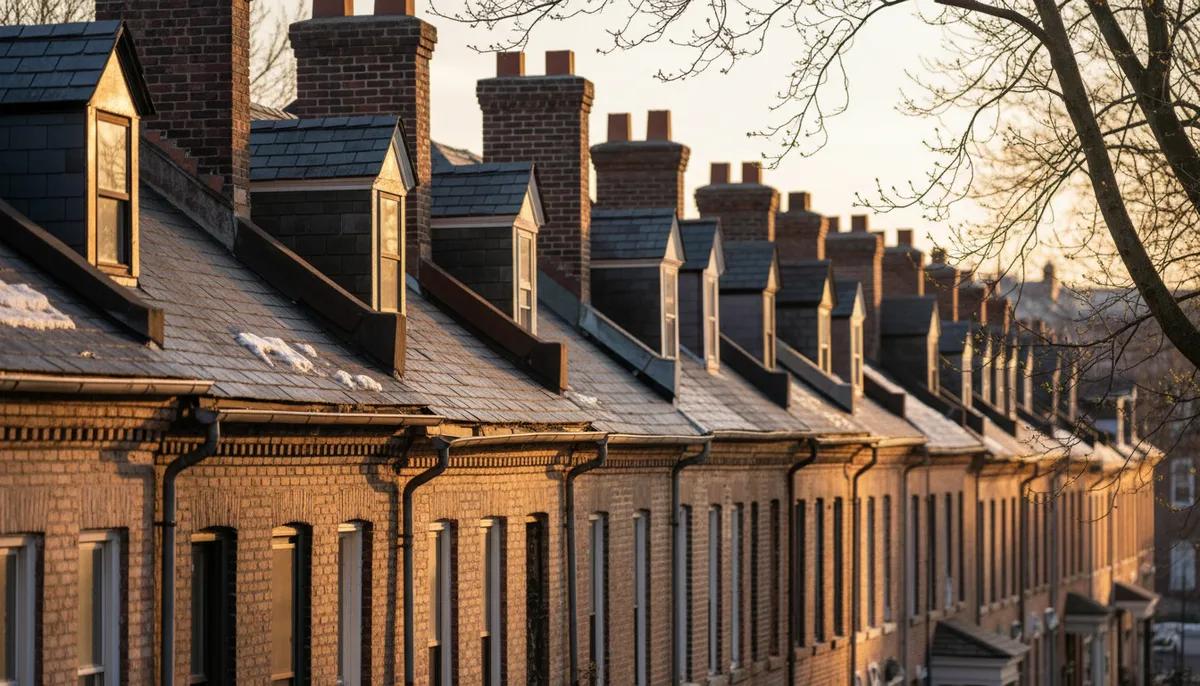
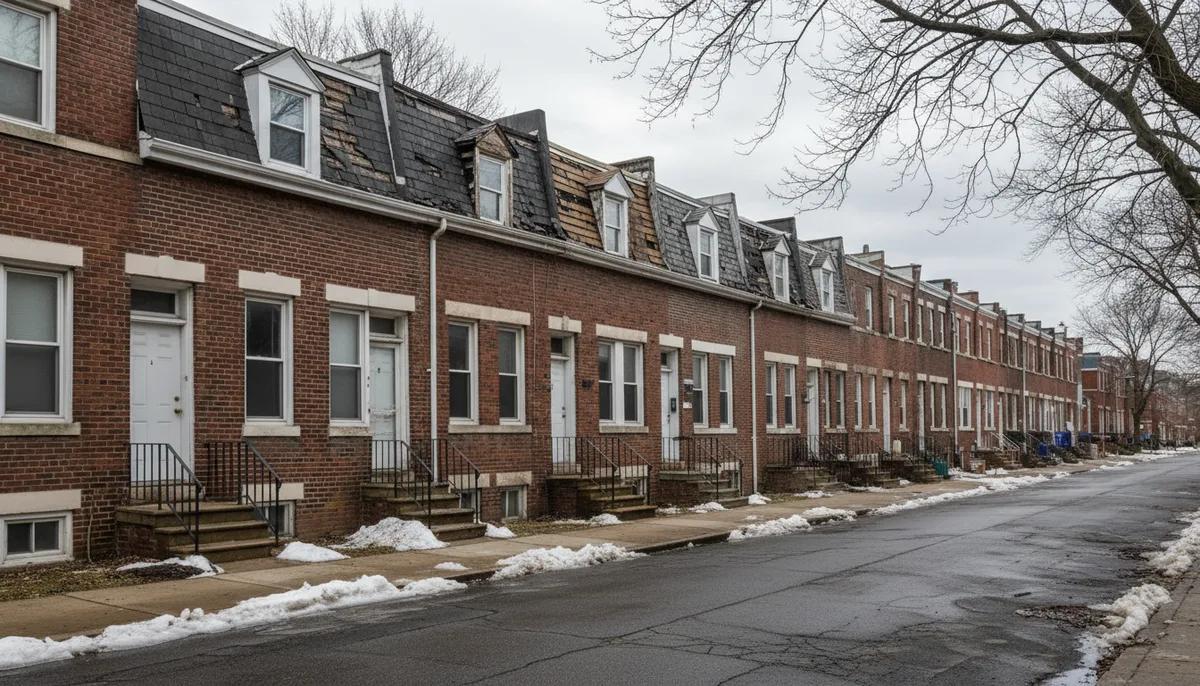
What makes Philadelphia especially challenging is its dense housing stock. The city's iconic row homes, twin houses, and older three-story properties throughout neighborhoods like Kensington, Fishtown, West Philly, and Germantown were often built in the late 19th and early 20th centuries. Many still have original or aging roofing systems that weren't designed with modern weather resilience in mind. A roof that looked fine in October can tell a very different story in March.
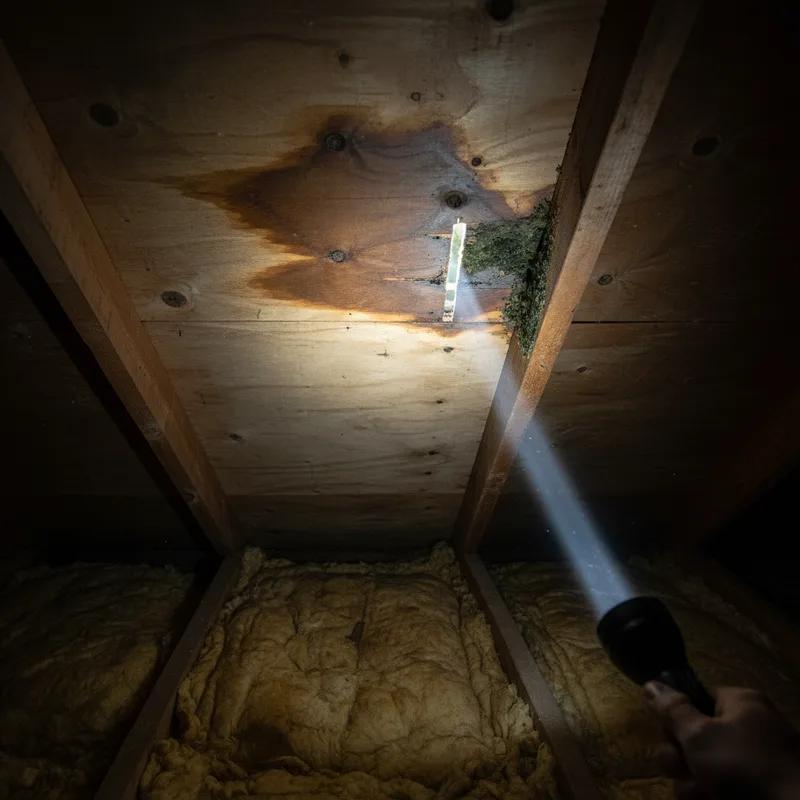
The stakes are high: undetected roof damage heading into spring means you're entering Philadelphia's storm season — which typically brings heavy April and May rain events — with compromised protection. Water intrusion that starts as a small leak can quickly lead to damaged insulation, mold growth, rotted decking, and costly interior repairs that dwarf the price of a simple roof fix.
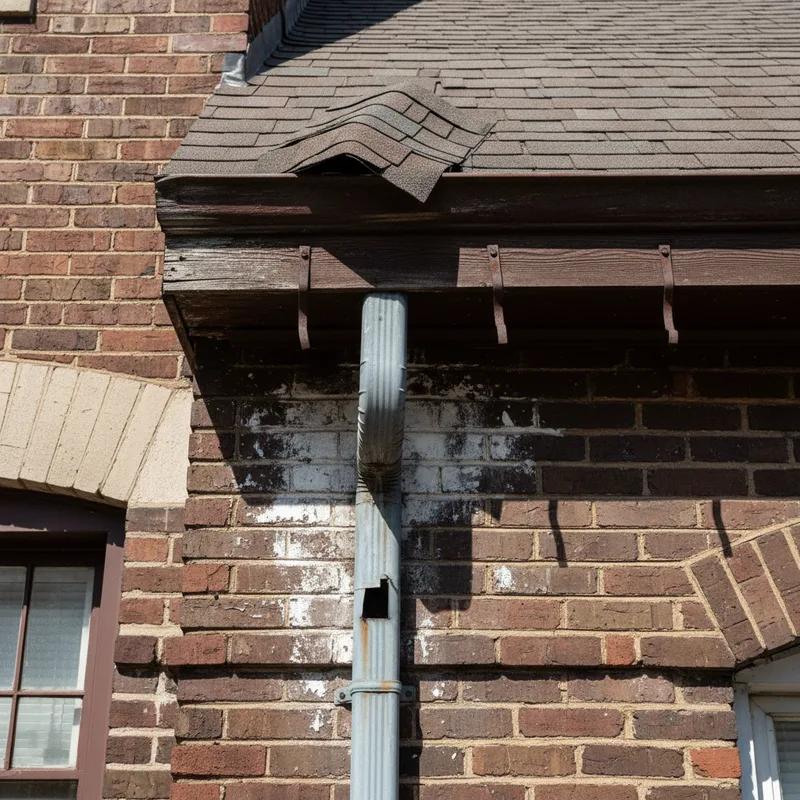
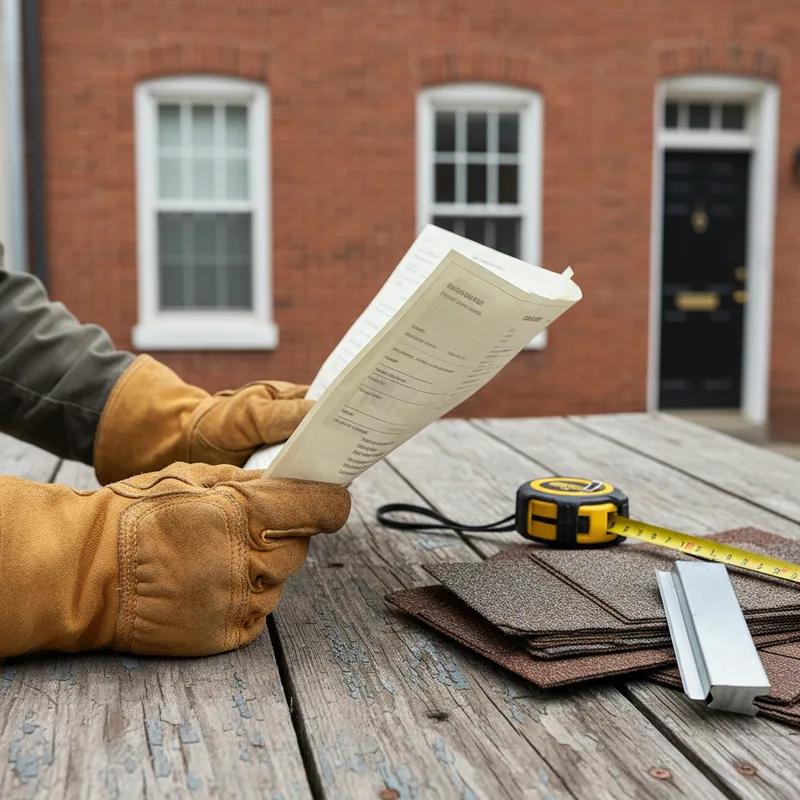
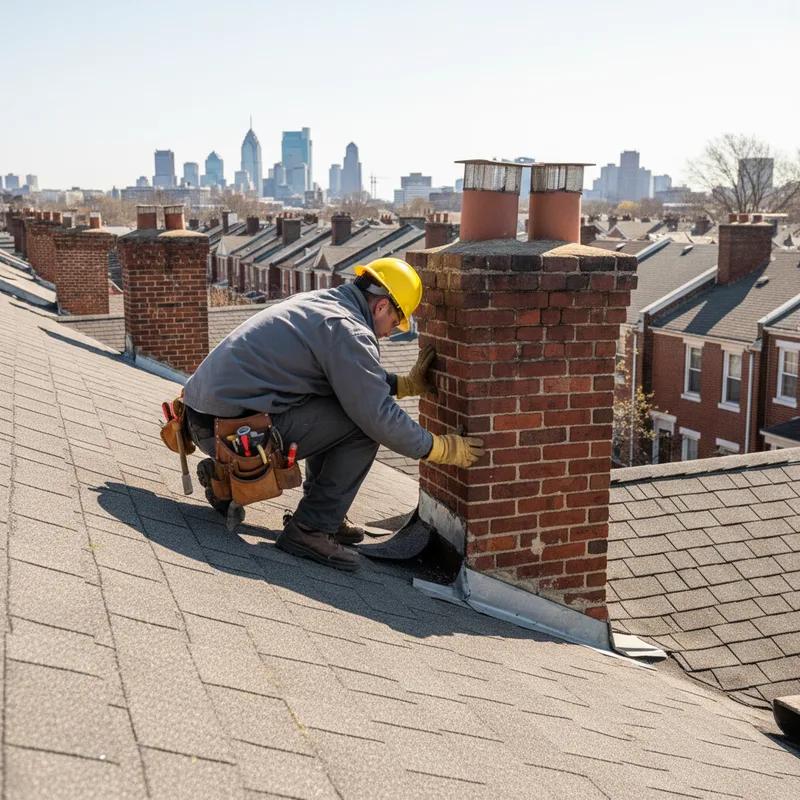
The good news is that most post-winter damage is catchable early with a systematic inspection. You don't need to be a roofing professional to identify warning signs from the ground and from inside your attic. This checklist walks you through every area to examine, what to look for, and when to call a licensed Philadelphia roofing contractor. Think of it as your annual reset — a proactive step that saves money, protects your home's value, and gives you peace of mind before the next round of storms arrives.