Why Gutter Maintenance Matters More in Philadelphia Than Most Cities
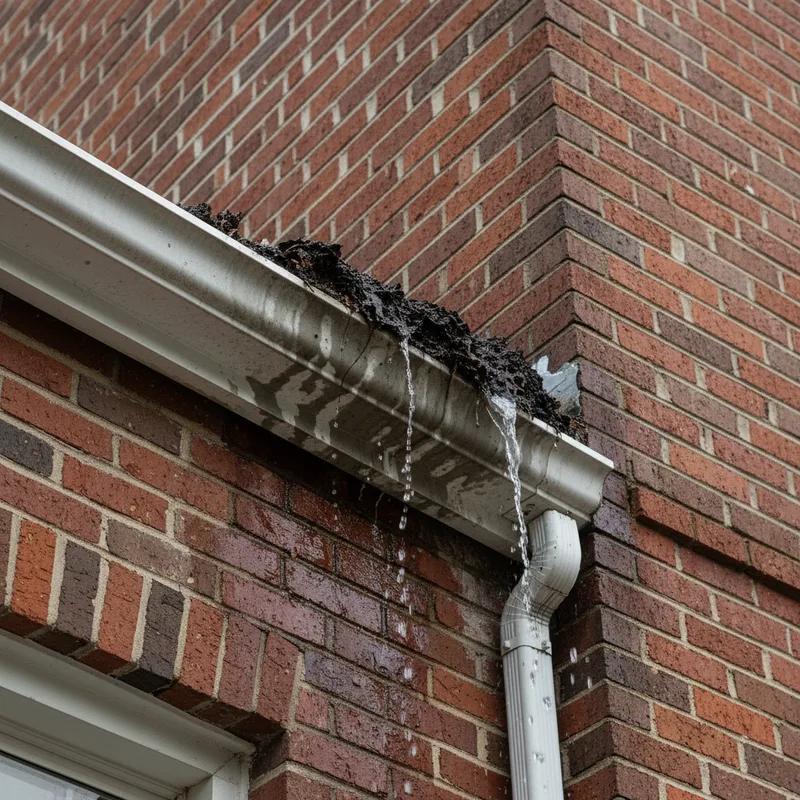
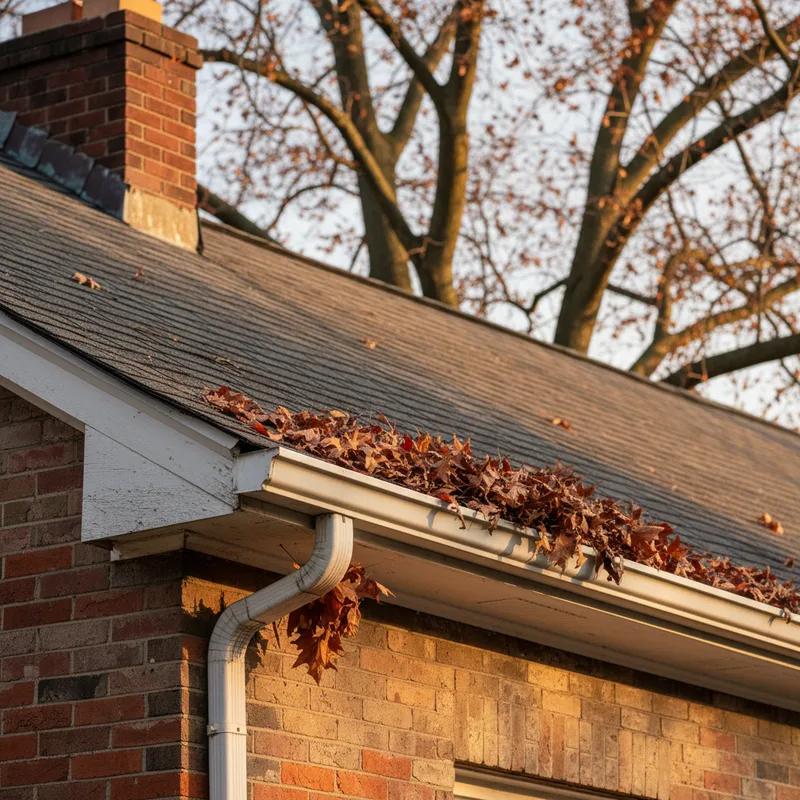
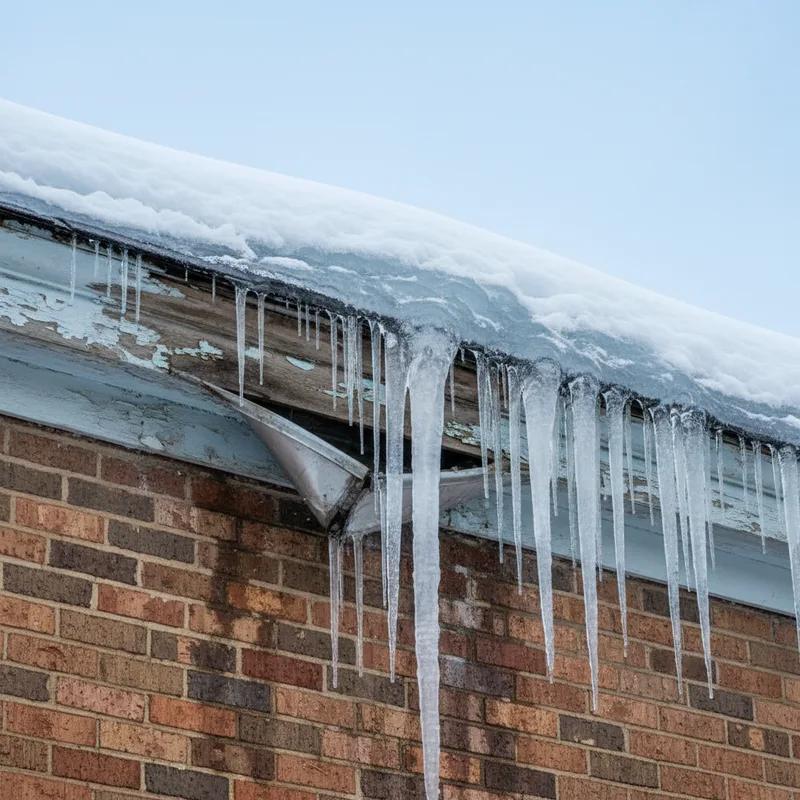
Philadelphia sits in a unique climatic sweet spot that makes gutter maintenance not just a good idea — it's a necessity. The city averages around 44 inches of rainfall annually, experiences heavy nor'easters, summer thunderstorms that can dump two inches of rain in under an hour, and winters cold enough to produce ice dams along roof edges. Add in the dense canopy of street trees that line neighborhoods like Mount Airy, Germantown, and Chestnut Hill, and you have a recipe for gutters that clog fast and fail hard.
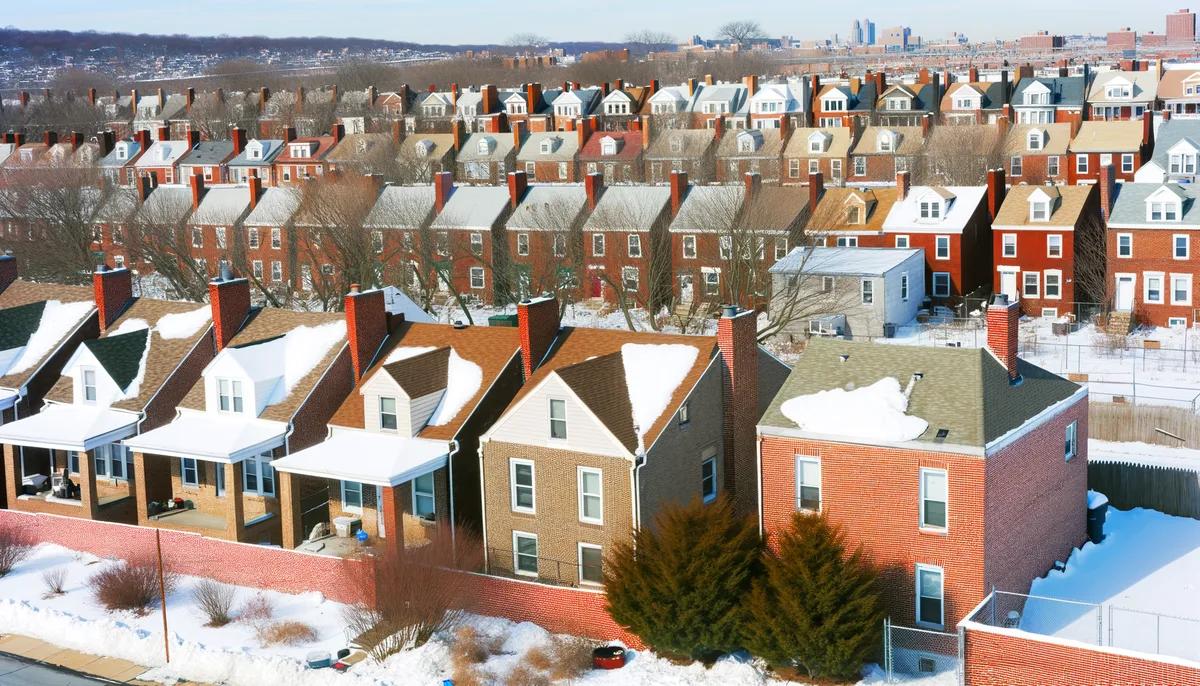
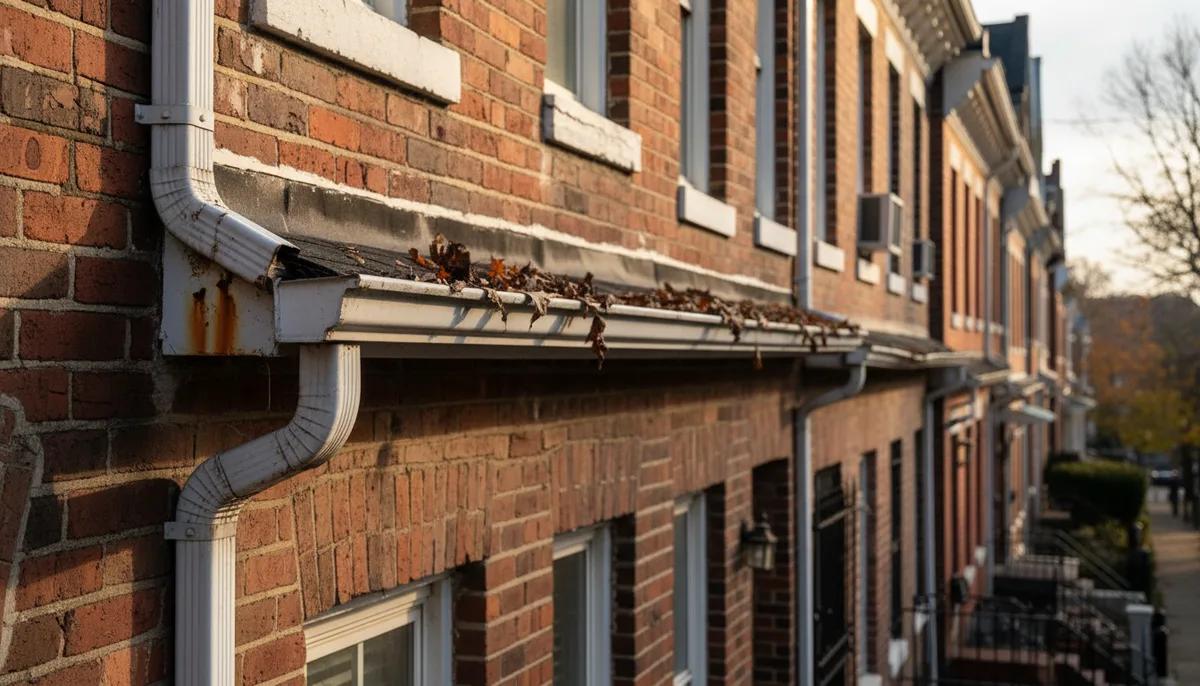
For the thousands of Philadelphia homeowners living in attached row homes — a housing style that dominates neighborhoods from Kensington to Passyunk Square — gutter problems compound quickly. Because row homes share walls, water that overflows from a clogged gutter on your property can seep into your neighbor's foundation or basement. That's not just a maintenance issue; it can become a liability issue.
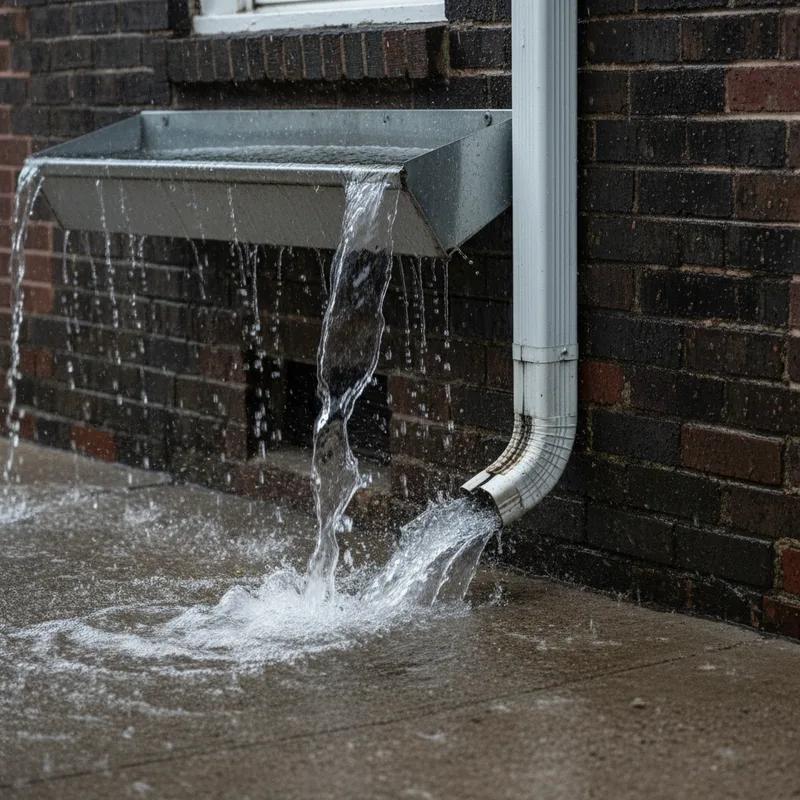
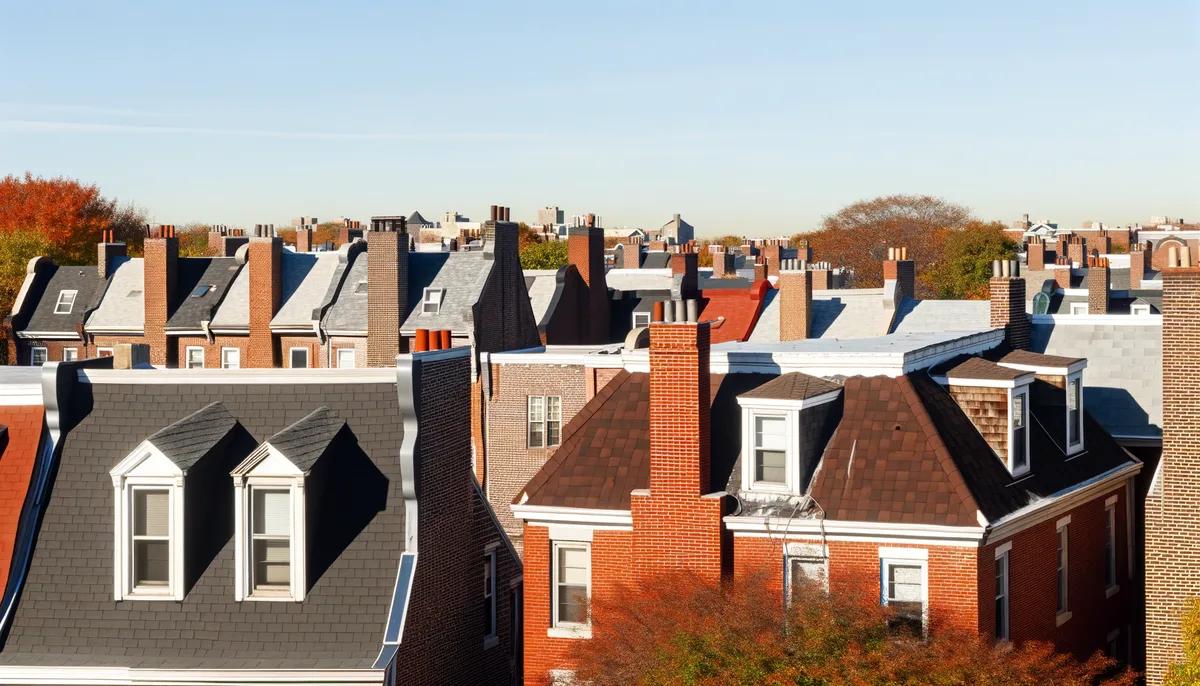
Philadelphia's older housing stock makes this even more critical. Many homes in neighborhoods like Fairmount, Point Breeze, and West Philadelphia were built in the late 1800s and early 1900s, when gutters were often made from wood or galvanized steel that has long since been replaced — sometimes improperly. Gutters that are undersized, incorrectly pitched, or missing splash guards simply can't handle modern rainfall intensity.
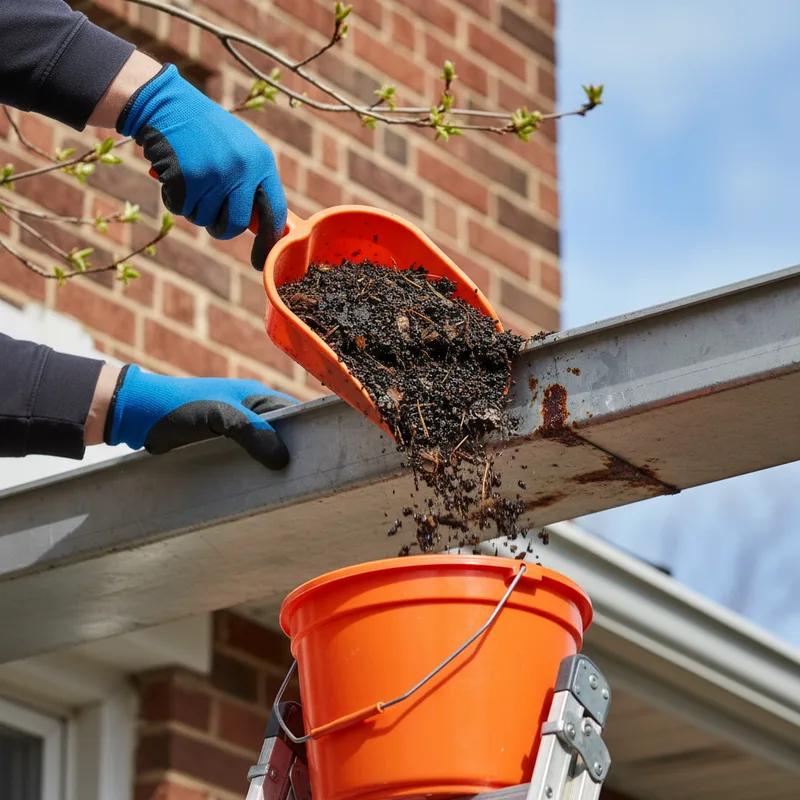
Proper gutter function protects three critical systems at once: your roof (by channeling water away from fascia boards and preventing rot), your siding and foundation (by directing water away from the structure), and your basement (by reducing hydrostatic pressure against foundation walls). Neglecting gutters is one of the most common — and most preventable — causes of the water damage claims Philadelphia homeowners file each year. The good news is that a consistent seasonal maintenance routine takes only a few hours per year and can save you thousands in repairs.