Metal Roofing Pros and Cons for Philadelphia Homeowners

Is a metal roof right for your Philly home? Compare cost, durability, and aesthetics vs. asphalt shingles for Philadelphia's unique climate and housing stock.

Metal Roofing Pros and Cons for Philadelphia Homeowners - Philadelphia roofing guide

Metal roofing is gaining popularity across Philadelphia neighborhoods, but it's not the right fit for every home or budget.

James Callahan
Published March 14, 2026·Updated March 14, 2026
1

Why Philadelphia Homeowners Are Reconsidering Their Roofing Material

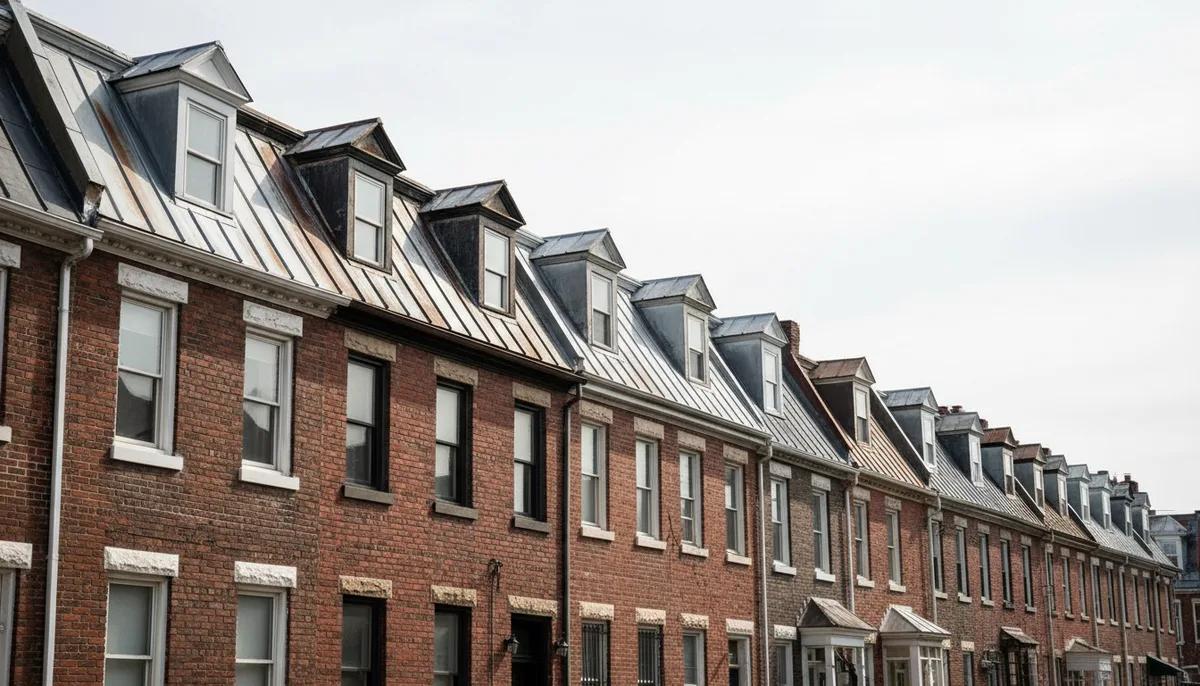
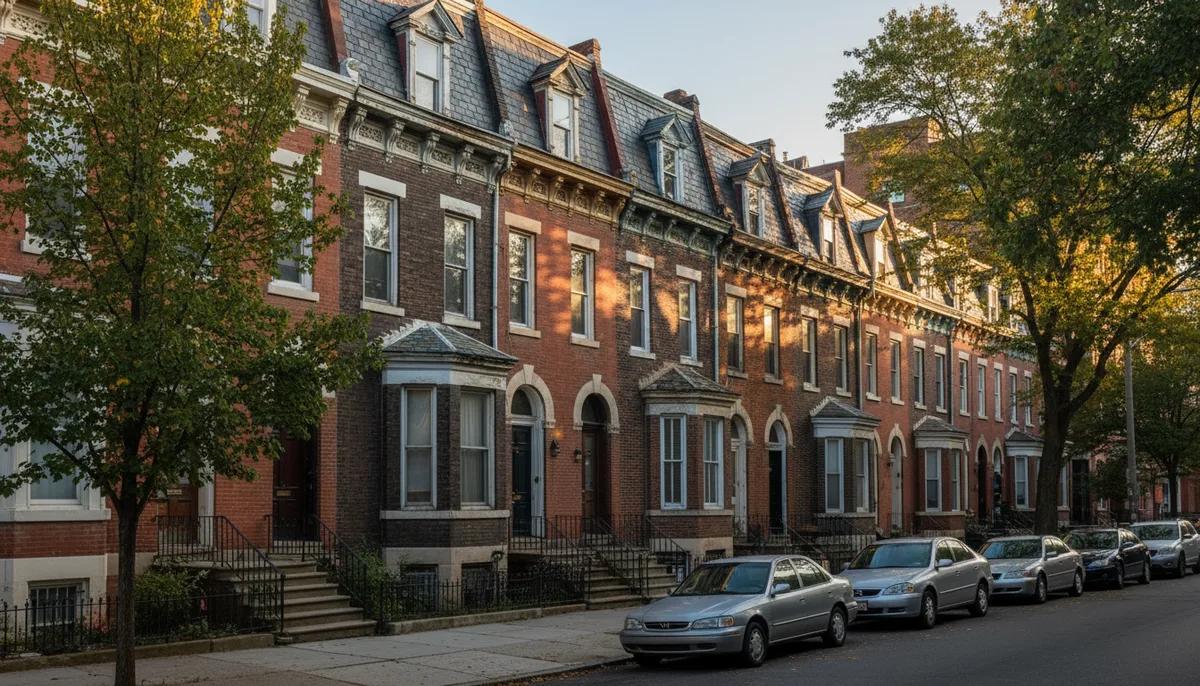
Philadelphia's housing stock is as diverse as its neighborhoods. From the tightly packed brick row homes of Fishtown and Point Breeze to the detached Victorians of West Mount Airy and the stone colonials of Chestnut Hill, roofing decisions in this city are rarely one-size-fits-all. But one trend has been picking up steam across all these neighborhoods: more homeowners are seriously exploring metal roofing as an alternative to the traditional asphalt shingles that have dominated Philly rooftops for decades.

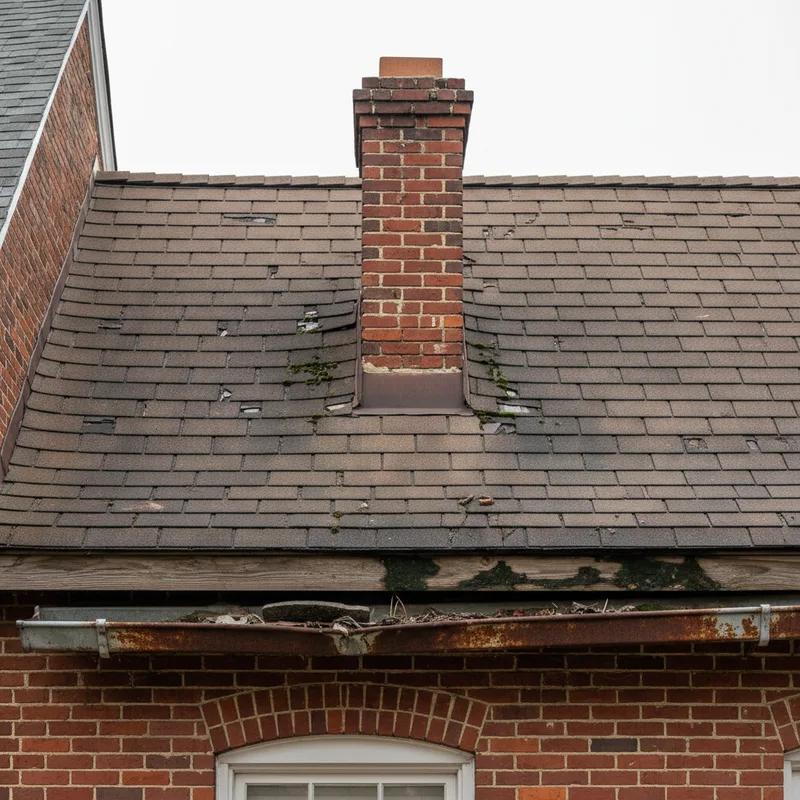
The reasons are understandable. Philadelphia's climate throws a lot at residential roofs — humid summers that can accelerate shingle deterioration, nor'easters that dump heavy snow and ice, and increasingly intense spring storms that bring high winds and hail. Asphalt shingles, while affordable upfront, typically last 20 to 30 years under ideal conditions. In Philadelphia's punishing four-season climate, many homeowners find themselves replacing shingle roofs sooner than expected.

At the same time, energy costs remain a concern for city residents, and metal roofing's reflective properties have made it an attractive option for homeowners looking to reduce cooling bills during hot Philadelphia summers. There's also growing interest in sustainability — metal roofs are often made from recycled content and are themselves fully recyclable at the end of their lifespan.

But metal roofing isn't a slam-dunk for everyone. The higher upfront cost, potential noise concerns, and aesthetic compatibility with historic Philadelphia architecture are all real factors to weigh. This guide is designed to give you a clear, honest picture of what metal roofing means for a Philadelphia homeowner specifically — not just generic national data, but information grounded in local climate, building codes, contractor availability, and the unique character of Philly's housing.
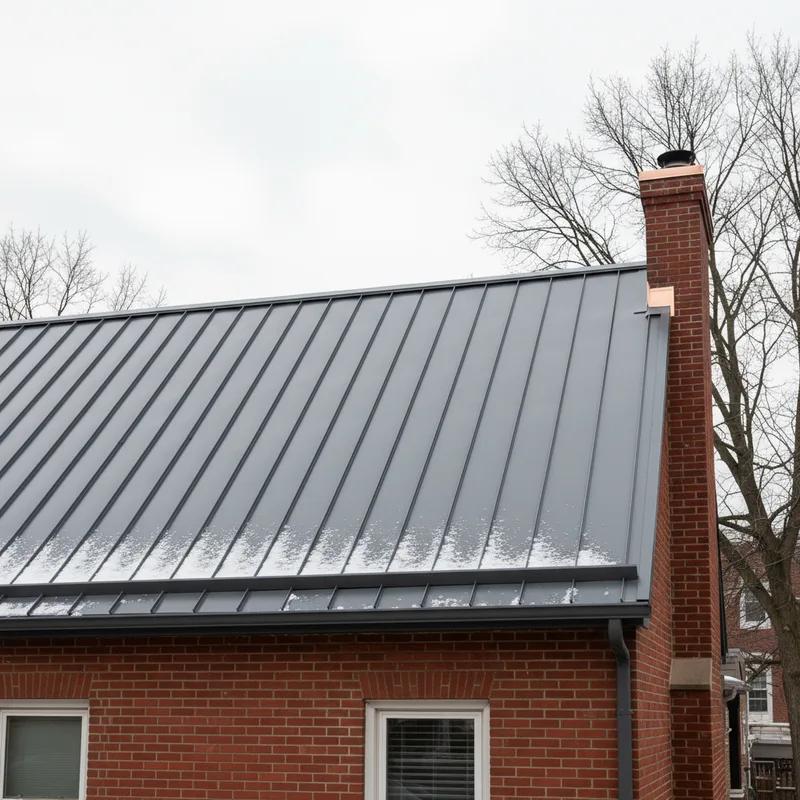
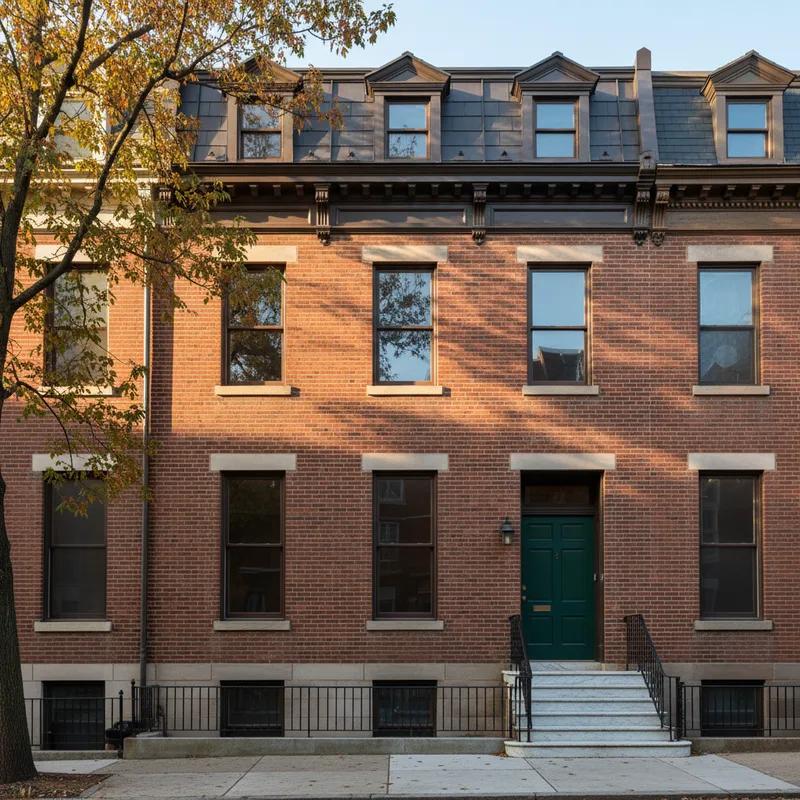
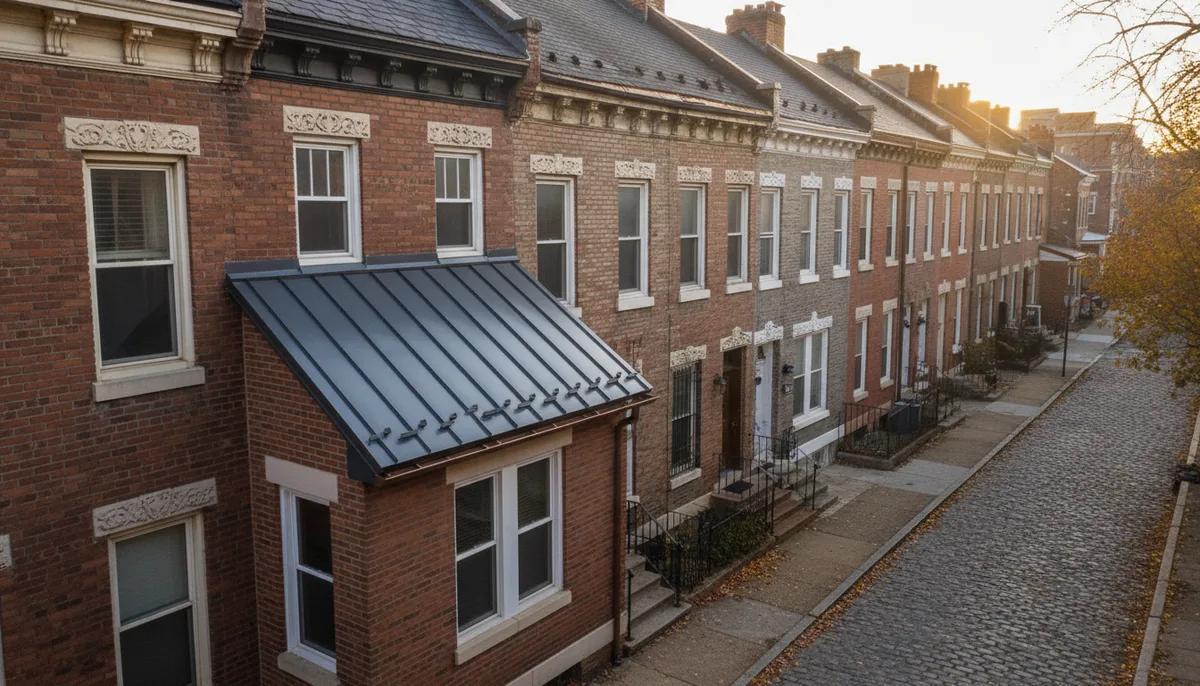
A Philadelphia row home street in Fishtown with a newly installed standing seam metal roof visible above the brick facade, contrasted with neighboring homes with traditional asphalt shingles
Why Philadelphia Homeowners Are Reconsidering Their Roofing Material

2

The Real Pros of Metal Roofing in Philadelphia's Climate

When it comes to durability, metal roofing has a compelling case to make for Philadelphia homeowners. A properly installed metal roof — whether standing seam steel, aluminum, or metal shingles — can last 40 to 70 years, roughly two to three times the lifespan of standard three-tab or architectural asphalt shingles. That longevity matters in a city where labor and material costs for roof replacements continue to climb.

Metal roofs are also exceptionally well-suited to Philadelphia's winter weather challenges. Unlike asphalt shingles, metal's smooth surface sheds snow naturally, reducing the weight load on your roof structure and minimizing the risk of ice dams — a persistent problem in Philly homes where attic insulation and ventilation are often subpar. Ice dams form when heat escapes through the roof, melts snow, and refreezes at the eaves, potentially forcing water under shingles and into your home. Metal roofing's slick surface significantly reduces this risk.

For summer performance, metal roofs reflect solar radiation rather than absorbing it the way dark asphalt shingles do. This can meaningfully reduce attic temperatures and cooling costs during Philadelphia's muggy July and August heat. Some metal roofing products qualify for energy efficiency incentives — check with the Pennsylvania Department of Environmental Protection and your utility provider (PECO) for current rebate programs.

Metal is also highly wind-resistant. Quality standing seam systems are rated to withstand winds well above what Philadelphia typically sees even during severe nor'easters or the remnants of Atlantic hurricanes that occasionally track through the region. And unlike asphalt, metal won't crack, warp, or grow moss or algae — a common nuisance on shaded Philadelphia rooftops.

Finally, metal roofing is environmentally friendly. Many products contain 25–95% recycled content and are 100% recyclable at end of life, making them a strong choice for eco-conscious Philly homeowners.

Close-up of a standing seam metal roof on a Philadelphia home after a winter snowfall, showing snow sliding cleanly off the smooth metal surface with no ice dam buildup at the gutters
The Real Pros of Metal Roofing in Philadelphia's Climate

3

The Real Cons of Metal Roofing: What Philly Homeowners Should Know

Metal roofing has genuine advantages, but it also comes with real drawbacks that Philadelphia homeowners need to understand before signing a contract.

The most significant barrier is upfront cost. In the current market, a standing seam metal roof installation in Philadelphia typically runs between $15,000 and $40,000 or more depending on roof size, pitch, and complexity — compared to $8,000 to $18,000 for a quality architectural asphalt shingle roof. While the long-term math can favor metal, that initial investment is a serious consideration, especially for homeowners on fixed incomes or those who don't plan to stay in the home long enough to recoup the difference.

Noise is another common concern. Rain on a metal roof can be louder than on asphalt shingles, though this is largely mitigated when the roof is installed over solid decking with proper insulation — which is standard practice in most Philadelphia residential installations. Homeowners who've lived with asphalt their whole lives may still notice a difference during heavy downpours.

For Philadelphia's many historic and architecturally significant neighborhoods — including those in Germantown, Society Hill, and areas governed by the Philadelphia Historical Commission — metal roofing may face aesthetic restrictions. The Historical Commission requires that alterations to contributing structures in historic districts be compatible with the building's character. Exposed fastener metal panels or industrial-looking standing seam profiles may not receive approval in these areas. Always verify with the Philadelphia Department of Licenses and Inspections (L&I) and the Historical Commission before proceeding.

Row home owners also face a specific challenge: shared party walls and tight roof configurations can complicate metal roof installation and increase labor costs. Contractors need experience with Philadelphia's dense urban roofing conditions.

Lastly, finding a contractor with genuine metal roofing expertise in Philadelphia requires due diligence. Metal installation is more specialized than asphalt shingle work — improper installation can lead to oil-canning (visible waviness in the metal), leaks at seams, and fastener failures.

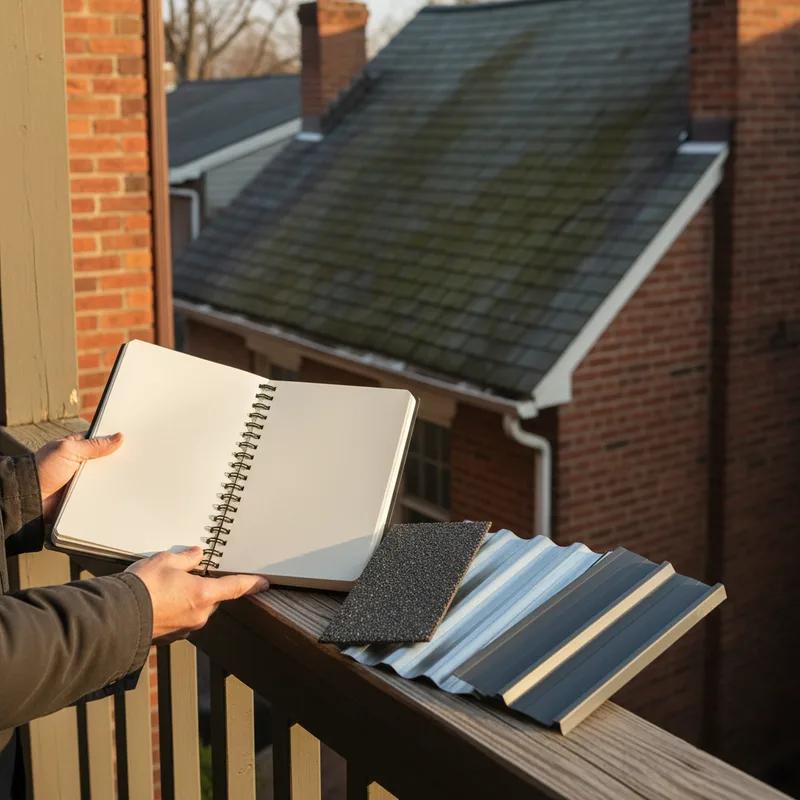
A Philadelphia contractor reviewing roofing plans with a homeowner on the front steps of a historic Germantown stone home, with roofing material samples including metal panels and asphalt shingles spread out for comparison
The Real Cons of Metal Roofing: What Philly Homeowners Should Know

4

Metal Roof Costs vs. Asphalt Shingles: A Philadelphia Price Comparison

Understanding the full cost picture — not just the installation price — is essential for making a smart roofing decision in Philadelphia. Let's break down how metal and asphalt shingles compare across several financial dimensions.

Upfront Installation Cost: As noted, metal roofing carries a significantly higher initial price tag. For a typical Philadelphia rowhome with roughly 1,200 to 1,500 square feet of roof surface, expect to pay $12,000 to $25,000 for standing seam steel or aluminum. Metal shingle systems (which mimic the look of traditional shingles) can be slightly less expensive. A comparable architectural asphalt shingle roof on the same home might run $7,000 to $14,000.

Lifespan and Replacement Cycles: Here's where metal starts to close the gap. If an asphalt roof lasts 25 years and a metal roof lasts 50, you're potentially paying for two asphalt roofs over the same period — plus the labor and disruption of a second installation. When you factor in inflation in material and labor costs over time, the lifetime cost of metal roofing often competes favorably.

Maintenance Costs: Metal roofs require minimal maintenance compared to asphalt. You won't be replacing blown-off shingles after every windstorm or treating for algae growth every few years. This is a real ongoing savings for Philadelphia homeowners.

Insurance and Home Value: Some insurance providers offer premium discounts for metal roofs due to their superior wind and fire resistance. Metal roofing can also add to resale value, particularly in higher-end Philadelphia neighborhoods like Chestnut Hill, Rittenhouse Square-adjacent properties, and parts of the Main Line corridor.

Tariff Considerations: It's worth noting that steel and aluminum prices are subject to trade policy fluctuations. As of early 2026, ongoing tariff pressures on imported metals have contributed to elevated material costs — something to discuss with your contractor when getting quotes. Getting multiple estimates and locking in pricing promptly can protect you from further increases.

A side-by-side comparison graphic shown on a contractor's tablet during a Philadelphia home roofing consultation, displaying cost breakdowns for metal roofing versus asphalt shingles over a 50-year period
Metal Roof Costs vs. Asphalt Shingles: A Philadelphia Price Comparison

5

Aesthetics and Compatibility: Does Metal Work on Philadelphia Homes?

One of the most common hesitations Philadelphia homeowners express about metal roofing is aesthetic: will it look right on my house? It's a fair question in a city so defined by its architectural heritage.

The good news is that modern metal roofing has evolved dramatically. Today's metal roofing products include options that closely replicate the look of slate, wood shake, clay tile, and traditional asphalt shingles — all in a durable metal substrate. For Philadelphia's Victorian-era homes in neighborhoods like West Philadelphia or Strawberry Mansion, a metal shingle or metal slate product can actually be a more historically sympathetic choice than asphalt, since many of these homes originally had slate roofs.

Standing seam metal roofing — the clean, vertical-panel style you often see on modern or contemporary homes — can look striking on the right Philadelphia property, particularly newer construction or significantly renovated homes. However, it may feel out of place on a Federal-style row home in Queen Village or a Gothic Revival in Germantown without careful design consideration.

Color selection matters enormously. Metal roofing comes in a wide range of factory-applied finishes, and choosing a color that complements Philadelphia's predominant brick and stone exteriors is key. Deep charcoals, slate grays, and dark bronzes tend to read as natural and compatible with the city's architectural palette. Bright or unusual colors are generally inadvisable unless you're working with a contemporary design.

For homeowners in Philadelphia's 17 designated historic districts, aesthetic review is not optional — it's required. The Philadelphia Historical Commission reviews proposed exterior alterations to properties within historic districts and to individually designated landmarks. Work with a contractor who has experience navigating this process, and consider consulting the Commission early to understand what materials and profiles are likely to be approved before investing in detailed planning.

A beautifully restored Victorian twin home in West Philadelphia featuring a newly installed dark charcoal metal shingle roof that closely resembles the appearance of traditional slate, complementing the home's original brick and ornamental woodwork
Aesthetics and Compatibility: Does Metal Work on Philadelphia Homes?

6

How to Decide: Is Metal Roofing Right for Your Philadelphia Home?

After weighing the pros and cons, how do you actually make the decision? Here's a practical framework for Philadelphia homeowners.

Consider your timeline. If you plan to stay in your home for 15 or more years, the long-term value of metal roofing becomes much more compelling. If you're planning to sell within five years, the premium you pay may not be recovered in your sale price, depending on your neighborhood and buyer demographics.

Assess your current roof structure. Metal roofing can often be installed over existing shingles (check with your contractor and L&I for current code requirements), but the condition of your decking, rafters, and insulation matters. A thorough inspection before committing is essential.

Get multiple quotes from qualified contractors. Metal roofing installation is a specialty skill. Look for contractors who are certified installers for the specific metal roofing product they're recommending — manufacturers like Metal Sales, ATAS International, and others offer contractor certification programs. Ask for local references and photos of completed Philadelphia-area projects.

Check permit requirements. The Philadelphia Department of Licenses and Inspections requires permits for roof replacements. Your contractor should pull the permit — if they suggest skipping it, that's a red flag. Permitted work also protects you if you ever sell the home.

Explore financing options. The higher upfront cost of metal roofing doesn't have to be paid entirely out of pocket. PACE financing, home equity loans, and manufacturer financing programs are all worth exploring. Some Philadelphia energy efficiency programs may also offer incentives for qualifying metal roofing products — check with the Philadelphia Energy Authority for current offerings.

Consult the Historical Commission if applicable. If your home is in a historic district or is individually designated, start that conversation early. The process takes time but is manageable with the right contractor.

Ultimately, metal roofing is an excellent long-term investment for the right Philadelphia homeowner — particularly those with longer time horizons, higher-value properties, or homes that have historically carried slate or tile roofs.

A Philadelphia homeowner and a licensed roofing contractor standing on the front stoop of a South Philadelphia brick row home, reviewing a roofing estimate together on a clipboard with metal roofing sample panels visible nearby
How to Decide: Is Metal Roofing Right for Your Philadelphia Home?

Frequently Asked Questions

How long does a metal roof last in Philadelphia's climate?

A properly installed metal roof in Philadelphia can last 40 to 70 years, depending on the material (steel, aluminum, or copper) and the quality of installation. This is significantly longer than the 20 to 30 year lifespan of standard asphalt shingles, making metal a strong long-term investment despite the higher upfront cost.

Is metal roofing allowed on historic homes in Philadelphia?

It depends on the specific property and historic district. The Philadelphia Historical Commission reviews exterior alterations to properties in designated historic districts and may require that roofing materials be compatible with the building's historic character. Metal shingle or metal slate products that mimic traditional materials are more likely to be approved than exposed industrial-style standing seam panels. Always consult the Commission before proceeding.

Does a metal roof make more noise during rain in Philadelphia?

Metal roofs can be louder during heavy rain than asphalt shingles, but this is largely minimized when the roof is installed over solid decking with adequate insulation — which is standard practice in most Philadelphia residential installations. Most homeowners report that the noise difference is minimal or unnoticeable in a properly installed system.

How much more does a metal roof cost compared to asphalt shingles in Philadelphia?

In the current Philadelphia market, a metal roof typically costs roughly 1.5 to 2.5 times more upfront than a comparable architectural asphalt shingle roof. However, when you factor in the longer lifespan, lower maintenance costs, and potential energy savings, the lifetime cost difference narrows significantly — and can favor metal for homeowners with a long-term perspective.

Do I need a permit to install a metal roof in Philadelphia?

Yes. The Philadelphia Department of Licenses and Inspections (L&I) requires a permit for roof replacements, including metal roof installations. Your licensed roofing contractor should obtain this permit before work begins. Installing a roof without a permit can create complications when selling your home and may leave you without recourse if installation problems arise.

James Callahan
Founder & Editor, Philly Roof Find

James founded Philly Roof Find to give Philadelphia homeowners a transparent, independent resource for evaluating roofing contractors. With a background in building trades and a focus on local construction practices, he writes practical guides grounded in Philadelphia-specific building codes, materials, and contractor standards.