How to Maintain Your Roof Between Professional Inspections

Learn simple DIY roof maintenance tasks Philadelphia homeowners can do safely to protect their home between professional inspections. Practical tips inside.

How to Maintain Your Roof Between Professional Inspections - Philadelphia roofing guide

Keeping your roof in good shape doesn't have to wait for a professional inspection.

James Callahan
Published April 16, 2026·Updated April 16, 2026
1

Why Regular Roof Maintenance Matters for Philadelphia Homeowners

Philadelphia's weather is genuinely tough on roofs. The city experiences everything from humid, sweltering summers and nor'easters in winter to sudden spring hailstorms and freeze-thaw cycles that can crack flashing and dislodge shingles in a single night. Add in the dense urban environment — overhanging trees, shared party walls, and decades-old construction in neighborhoods like Kensington, West Philly, and Fishtown — and you have a recipe for accelerated roof wear if maintenance is neglected.

Professional inspections are typically recommended once or twice a year, but a lot can happen between those visits. A single cracked shingle or clogged downspout, left unaddressed for a few months, can allow water to infiltrate your roof deck, damage insulation, and eventually cause interior ceiling damage that costs thousands to repair. The good news is that catching these problems early is largely a matter of knowing what to look for and making a habit of looking.

For Philadelphia's iconic row homes, the stakes are especially high. Many of these properties were built in the late 19th or early 20th century, and their roofs — whether pitched shingles or the flat built-up roofing common on South Philly and Point Breeze homes — require consistent attention. Water that penetrates a shared party wall can affect your neighbor's property as well as your own, creating liability headaches on top of repair bills.

The tasks covered in this guide are designed to be performed safely by homeowners without specialized equipment. You won't be asked to walk across a steep pitch or perform structural repairs. Most can be done from the ground with binoculars, or from a stable ladder positioned at the eave line. Think of these as the routine checkups that keep your roof healthy between the deeper assessments a licensed contractor provides.
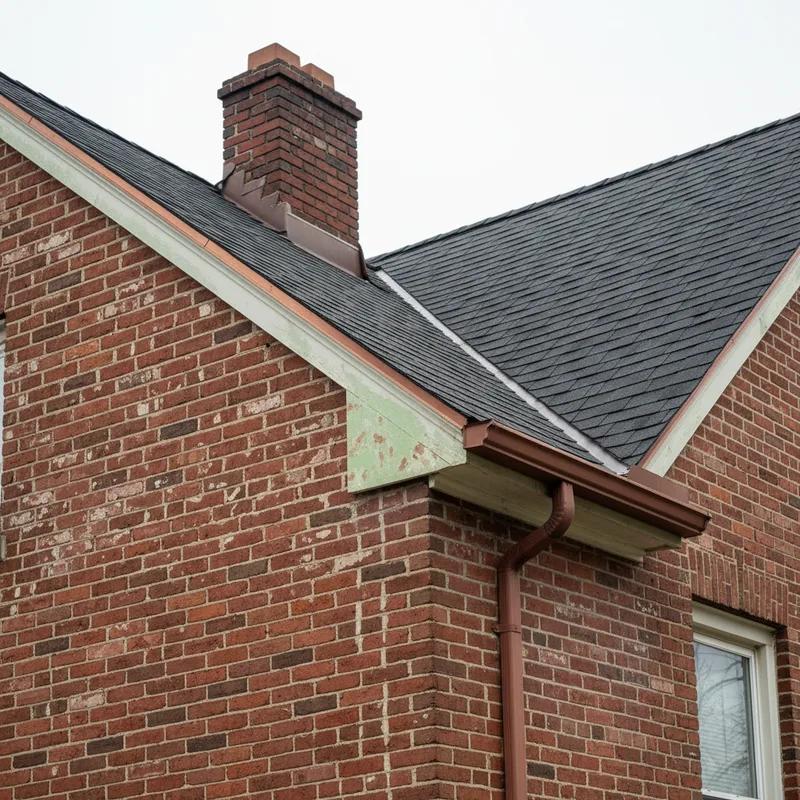
A Philadelphia homeowner standing in their backyard using binoculars to inspect the shingle roof of their row home on a clear spring day
Why Regular Roof Maintenance Matters for Philadelphia Homeowners

2

Seasonal Ground-Level Inspections: What to Look For and When

A ground-level visual inspection costs nothing and takes about fifteen minutes. Grab a pair of binoculars and walk the perimeter of your home, looking up at the roof from multiple angles. The best times to do this in Philadelphia are early spring — after the last freeze — and late fall, before temperatures drop below freezing again. After any significant storm, a quick check is always worthwhile.

Here's what to scan for from the ground:

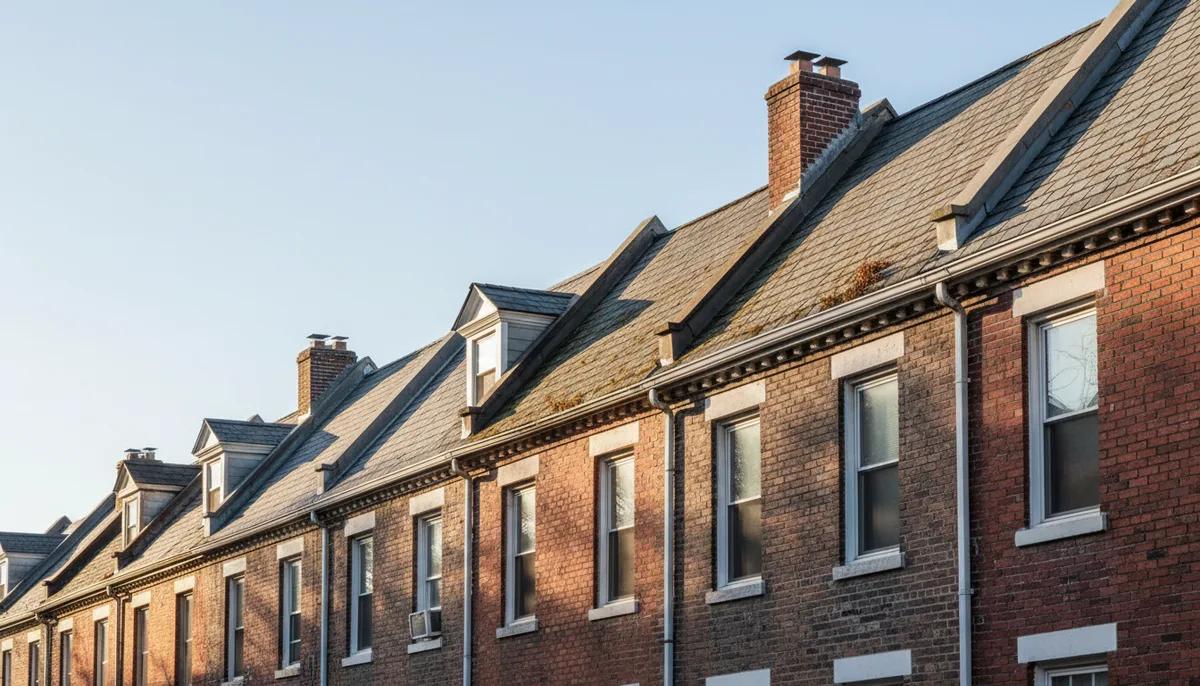
Shingles: Look for curling edges, missing tabs, or shingles that appear darker or discolored compared to those around them. Dark patches often indicate moisture retention or algae growth, both common in Philadelphia's humid summers. Granule loss — which looks like bare, lighter-colored patches — signals that shingles are aging out.

Flashing: The metal strips around your chimney, skylights, dormers, and where your roof meets a wall are called flashing. Rusted, bent, or visibly separated flashing is one of the most common entry points for water in Philly row homes. Look for any gaps or lifted edges.

Flat roof surfaces: If you have a flat or low-slope roof — extremely common in South Philadelphia, Brewerytown, and Germantown — look for visible bubbling, ponding water stains on exterior walls below the roof line, or any membrane that appears torn or peeling at the edges.

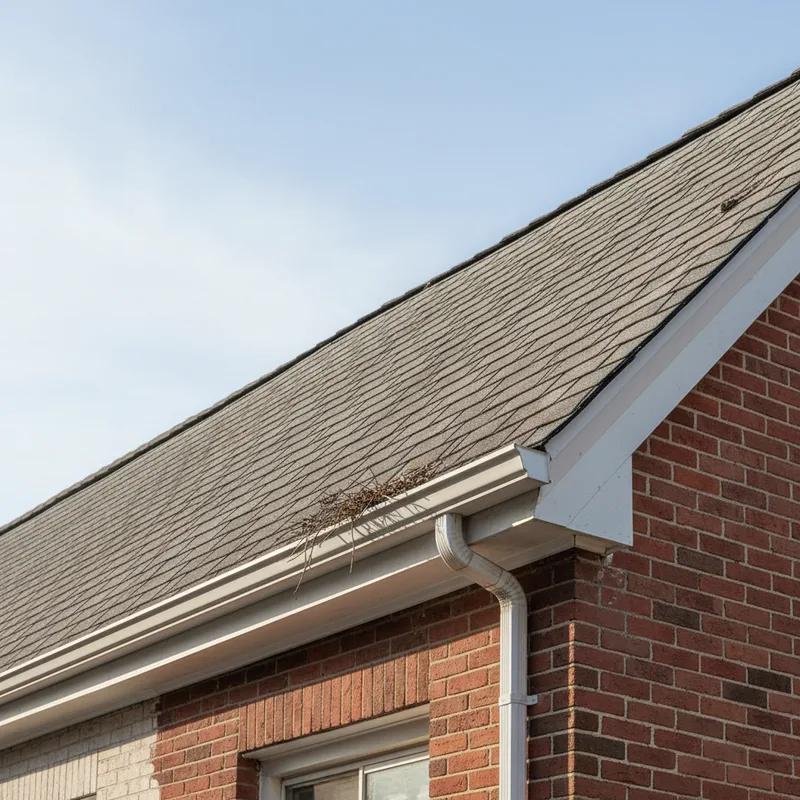
Gutters and downspouts: Check that gutters are hanging level and not pulling away from the fascia board. Sagging gutters trap water and add weight that can damage the roof edge over time.

Moss and algae: Green or black streaking on shingles is a sign of biological growth. Philadelphia's tree canopy is beautiful, but shaded roofs in neighborhoods like Chestnut Hill or Mt. Airy are particularly prone to moss buildup that can lift shingles over time.

Document what you find with your phone camera. This record becomes valuable when talking to a contractor or filing an insurance claim.

Close-up view from the ground of a Philadelphia row home roof showing curling asphalt shingles and dark algae streaking near the ridge line
Seasonal Ground-Level Inspections: What to Look For and When

3

Gutter and Downspout Maintenance: The Task Most Philly Homeowners Skip

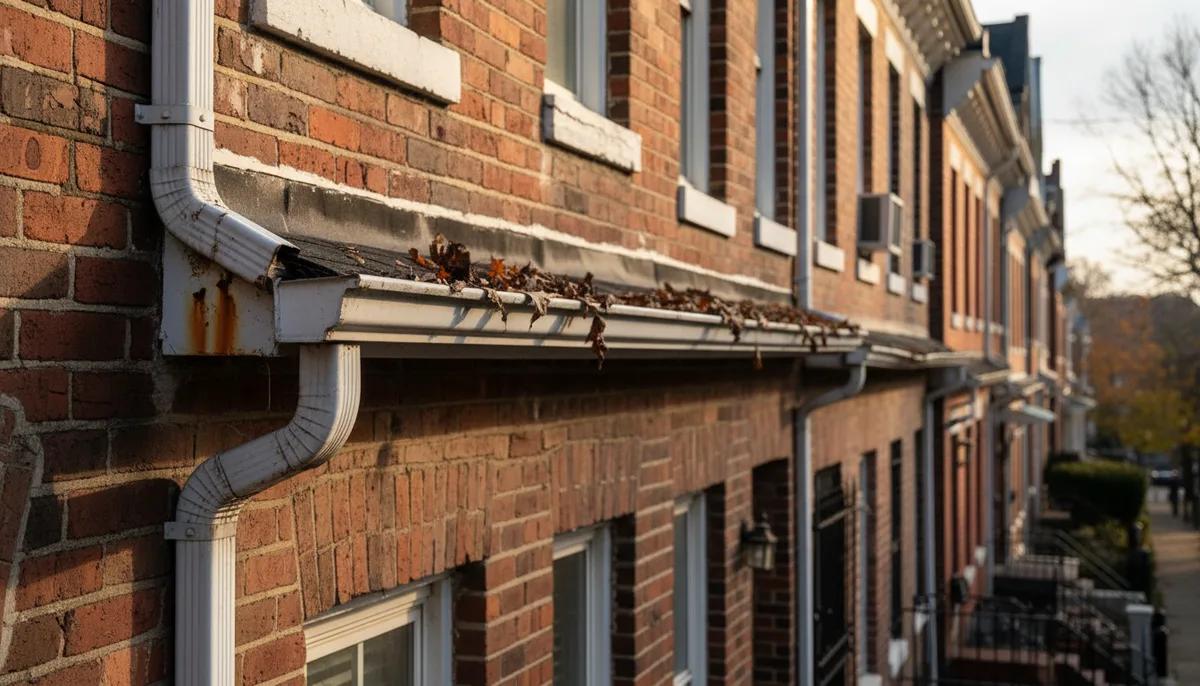
Gutters are the unsung heroes of your roofing system. When they work properly, they channel water away from your roof deck, fascia, soffits, and foundation. When they're clogged or damaged, they become a direct cause of roof deterioration — and in Philadelphia, they clog fast. The city's mature urban tree canopy means gutters in neighborhoods like Overbrook, Roxborough, and Manayunk can fill with leaves, seed pods, and debris multiple times a year.

Cleaning your gutters at least twice a year — once in late spring after trees finish seeding, and once in late November after the leaves have fully fallen — is one of the highest-impact maintenance tasks you can perform. For homes with large overhanging trees, a third cleaning in midsummer isn't overkill.

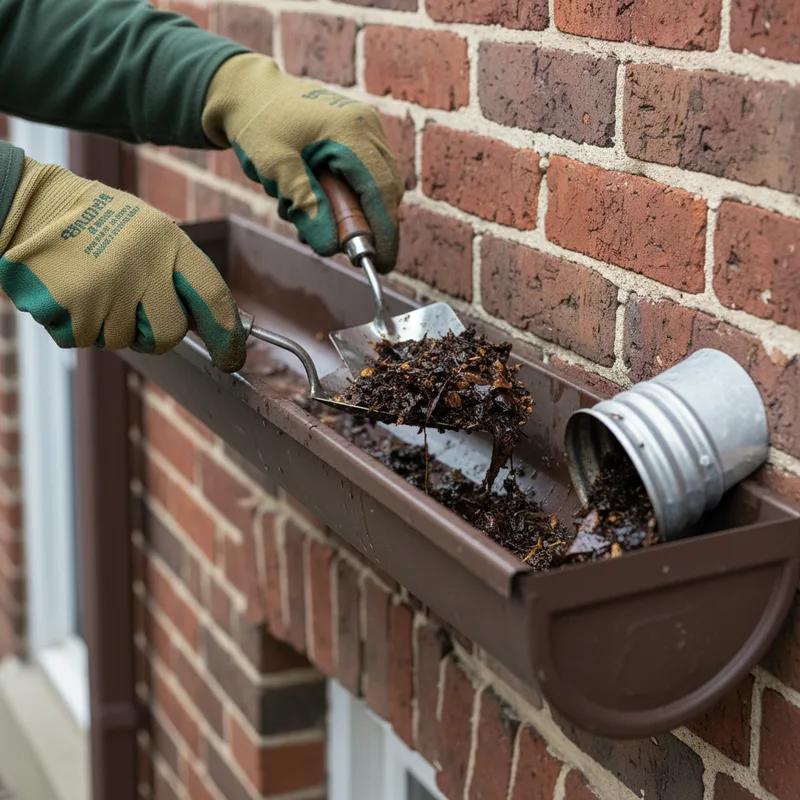
To clean gutters safely, use a sturdy extension ladder rated for your weight plus tools, and always have a second person present to stabilize the base. Never lean a ladder against the gutter itself — it can bend or detach. Work in sections, scooping debris into a bucket rather than letting it fall onto landscaping or into downspouts. Flush each section with a garden hose to confirm water flows freely toward the downspout.

Once gutters are clear, check for these issues:

  • Pitch alignment: Gutters should slope slightly (about a quarter inch per ten feet) toward the downspout. If water pools in the gutter after rain, the pitch may have shifted.
  • Loose hangers: Hangers are the brackets that attach gutters to the fascia. Replace any that are missing or pulling away.
  • Downspout extensions: Make sure downspouts discharge water at least four to six feet from your foundation. In dense Philadelphia rowhouse blocks, improper drainage can affect neighboring properties.
  • Rust and holes: Small holes in metal gutters can be patched with roofing sealant as a temporary fix, but persistent rust indicates the gutter section needs replacement.

Neglected gutters are a leading cause of ice dam formation in Philadelphia winters — a problem covered in depth in our related guide on preventing ice dams.

A homeowner on a ladder cleaning leaves and debris out of a clogged gutter on a Philadelphia row home in autumn, with fallen leaves visible on the sidewalk below
Gutter and Downspout Maintenance: The Task Most Philly Homeowners Skip

4

Chimney, Flashing, and Flat Roof Spot Checks for Philly Homes

Philadelphia's housing stock is rich with architectural details that require specific maintenance attention. Brick chimneys are nearly universal in older neighborhoods, and the mortar joints between bricks deteriorate over time — a process called spalling — especially after repeated freeze-thaw cycles. From the ground, look for white chalky staining (efflorescence) on the chimney exterior, which indicates water is moving through the masonry. Visible crumbling or missing mortar is a clear sign that tuckpointing is needed before the next winter.

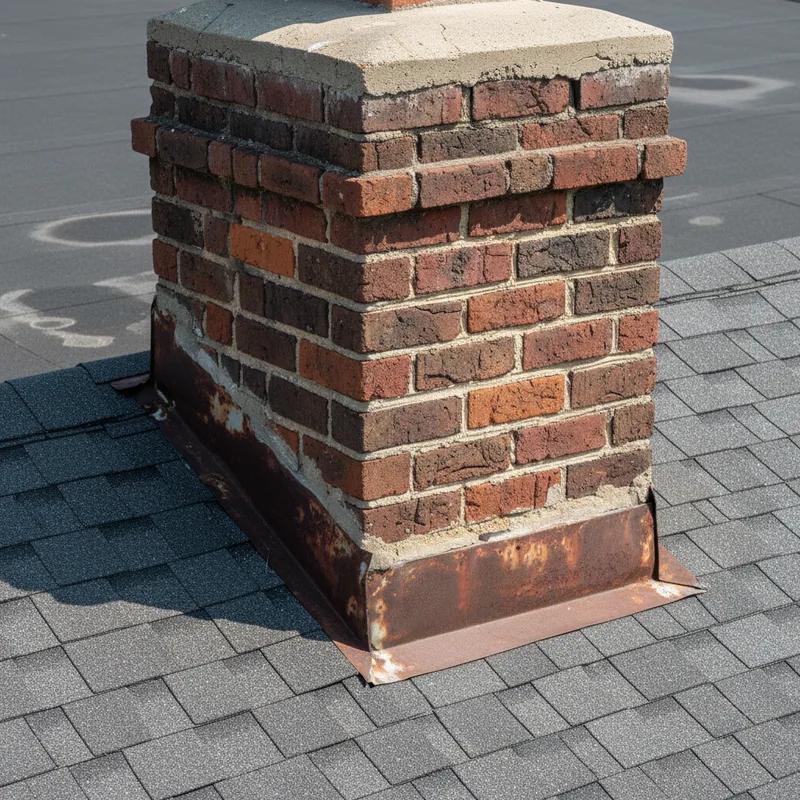
Flashing — the metal seals around chimneys, skylights, vent pipes, and roof-to-wall transitions — is responsible for a disproportionate share of roof leaks. In Philadelphia's older homes, original flashing may be made of lead or galvanized steel that has corroded over decades. From a ladder positioned safely at the eave, you can often see whether chimney flashing is lifting, cracked, or has lost its sealant bead. Do not attempt to walk on the roof to inspect flashing yourself; this is a task for a licensed contractor.

For flat roof owners — and there are a lot of you in Philadelphia — a post-storm inspection from a safe vantage point (a second-floor window, a rear deck, or a neighboring building's fire escape if accessible) can reveal standing water, torn membrane seams, or debris accumulation around drains. Flat roofs should drain completely within 48 hours of rainfall. Persistent ponding water accelerates membrane degradation and is one of the most common reasons flat roofs fail prematurely.

If your flat roof has a rooftop drain, make sure it stays clear of leaves and debris. You can often clear a clogged drain from a safe standing position at the roof hatch or access door without fully walking the membrane surface. Keep a log of any areas where water consistently ponds — this information is invaluable for a contractor during their next inspection.

Philadelphia's Department of Licenses & Inspections (L&I) requires permits for structural roofing work, but routine maintenance and cleaning do not typically require permits. When in doubt, check with L&I directly.

A close-up of deteriorating brick chimney flashing on a Philadelphia row home, showing lifted metal edges and cracked sealant around the chimney base
Chimney, Flashing, and Flat Roof Spot Checks for Philly Homes

5

Interior Warning Signs: What Your Attic and Ceilings Are Telling You

Roof maintenance isn't only an outdoor activity. Some of the earliest and most reliable indicators of roof problems show up inside your home — in your attic, on your ceilings, and even in your utility bills. Making a habit of checking these interior spaces every few months can help you catch a leak long before it becomes visible on your ceiling or causes structural damage.

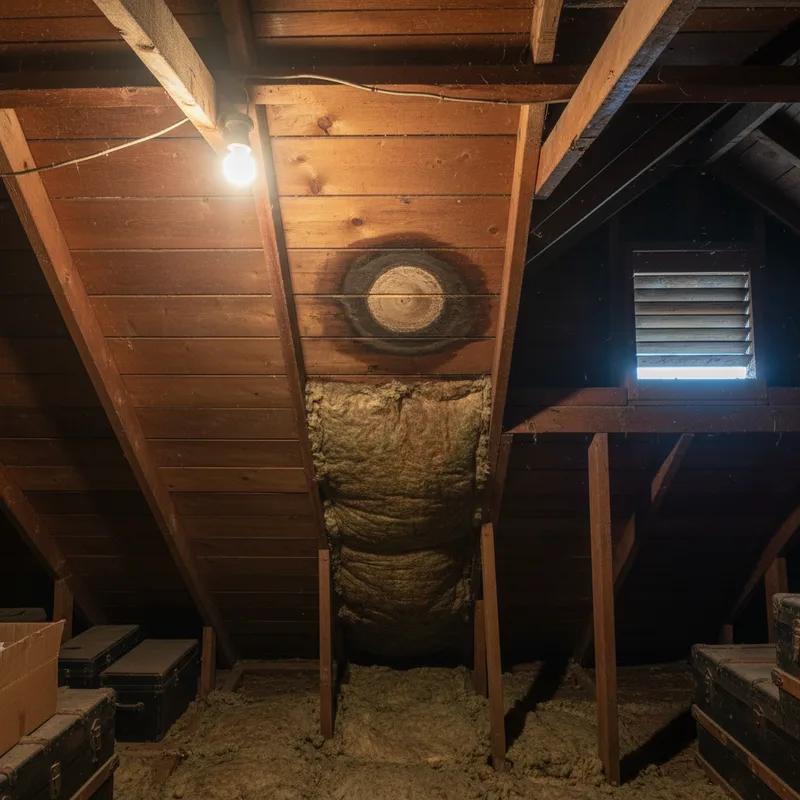
Start with your attic. On a sunny day, go into the attic space and turn off any lights. Look for pinpoints of daylight coming through the roof deck — these indicate gaps, cracked sheathing, or missing shingles. Also look for dark staining or soft, spongy wood on the rafters and decking, both signs of past or ongoing moisture infiltration. A musty smell in the attic is another red flag worth investigating.

In Philadelphia's older row homes, attic access can be limited or awkward, but even a quick look with a flashlight through the access hatch is worthwhile. Pay particular attention to the areas directly beneath valleys (where two roof planes meet) and around any penetrations like vent pipes or chimneys.

On the top floor of your home, check ceilings for water stains, bubbling paint, or soft drywall — particularly in corners and along exterior walls. A yellow or brown ring-shaped stain is the classic sign of a slow leak. Even if the stain appears dry, it indicates water has entered at some point and the source should be identified.

Unexpectedly high heating or cooling bills can also point to roof and attic issues. Poor attic ventilation — common in Philadelphia's older housing stock — traps heat in summer and moisture in winter, both of which degrade roofing materials faster than normal. If your energy bills have climbed without an obvious explanation, it may be worth having a contractor assess your attic ventilation alongside your roof condition.

Document any interior findings with photos and dates. This paper trail supports insurance claims and helps contractors diagnose problems more accurately.

A homeowner shining a flashlight into a Philadelphia row home attic, revealing dark water staining on wooden roof rafters near a chimney penetration
Interior Warning Signs: What Your Attic and Ceilings Are Telling You

6

When to Stop DIY and Call a Philadelphia Roofing Contractor

Knowing the limits of DIY roof maintenance is just as important as knowing the tasks themselves. The goal of homeowner maintenance is observation, documentation, and minor upkeep — not structural repair. There are clear situations where the right move is to stop, step down from the ladder, and call a licensed Philadelphia roofing contractor.

Contact a professional if you observe any of the following:

  • Active leaks or interior water damage — even a small drip can indicate a significant breach in the roofing system that requires professional diagnosis.
  • Multiple missing or severely damaged shingles — replacing isolated shingles is a job for a roofer who can assess whether the underlying deck is also compromised.
  • Sagging roof lines — any visible dip or wave in your roofline suggests structural issues that go beyond surface maintenance.
  • Damaged or separated flashing — improper flashing repair is one of the most common causes of callbacks and repeat leaks.
  • Flat roof membrane damage — EPDM, TPO, and modified bitumen repairs require specific materials and techniques; amateur patches often fail quickly.

When hiring a contractor in Philadelphia, verify that they hold a current Home Improvement Contractor (HIC) license through the Pennsylvania Attorney General's Office, carry general liability insurance, and are registered with the City of Philadelphia if required for permitted work. Be cautious of door-to-door solicitations following storms — a pattern the Pennsylvania Attorney General's office has flagged repeatedly as a source of contractor fraud.

For non-emergency situations, getting two or three written estimates is standard practice and gives you a baseline for fair pricing. Philadelphia's roofing market is competitive, and reputable contractors will provide detailed, itemized estimates without pressure tactics.

Finally, remember that some Philadelphia homeowners may qualify for financial assistance with roof repairs through city and state programs. Check with the Philadelphia Housing Development Corporation (PHDC) and the Pennsylvania Housing Finance Agency (PHFA) for current eligibility requirements and available funding, as programs and income thresholds are updated regularly.

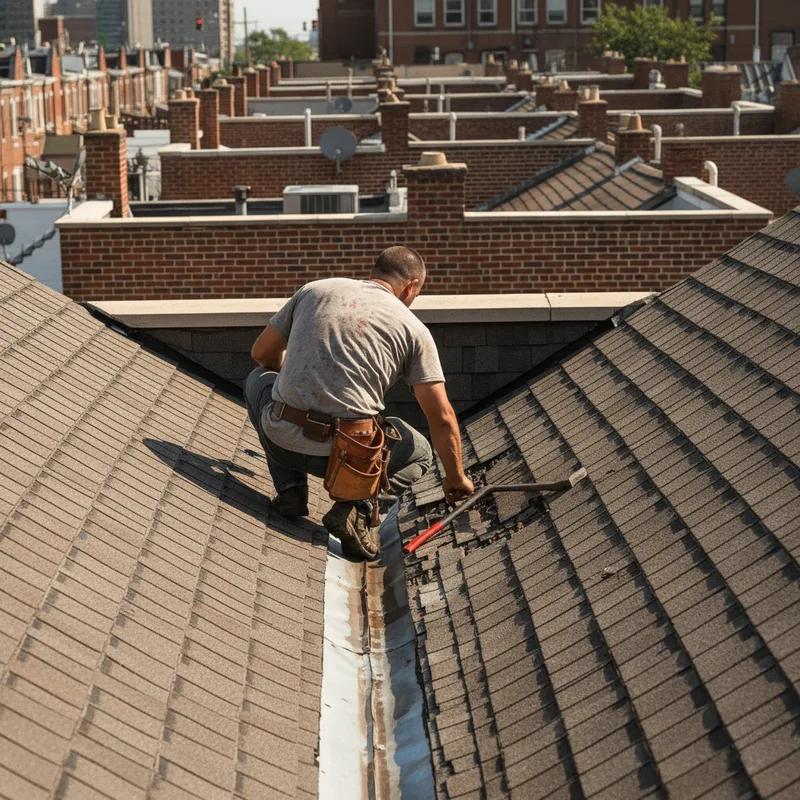
A licensed Philadelphia roofing contractor in a safety harness inspecting storm damage on a steep-pitch shingle roof in a South Philadelphia neighborhood
When to Stop DIY and Call a Philadelphia Roofing Contractor

Frequently Asked Questions

How often should Philadelphia homeowners inspect their own roofs?

Philadelphia homeowners should perform a visual ground-level inspection at least twice a year — once in early spring and once in late fall — as well as after any major storm. These quick checks help catch developing problems between annual or biannual professional inspections.

Is it safe for homeowners to walk on their own roof in Philadelphia?

Walking on a roof is not recommended for most homeowners, especially on steep-pitch or older roofs common in Philadelphia neighborhoods. Most meaningful maintenance and inspection tasks can be performed safely from the ground with binoculars or from a stable ladder positioned at the eave line. Leave any work that requires walking the roof surface to a licensed contractor with proper safety equipment.

What are the most common roof problems in Philadelphia row homes?

The most common issues include clogged gutters, deteriorating chimney flashing, moss and algae growth from shaded canopy cover, cracked or missing shingles after freeze-thaw cycles, and ponding water on flat roofs. Older row homes in neighborhoods like Kensington, West Philly, and South Philly are also prone to aging built-up roofing membranes that require periodic professional assessment.

Do I need a permit for routine roof maintenance in Philadelphia?

Routine maintenance tasks like gutter cleaning, clearing debris, and applying sealant do not typically require a permit. However, structural repairs, full or partial roof replacements, and work involving changes to the roof deck or structure do require permits from Philadelphia's Department of Licenses & Inspections (L&I). When in doubt, contact L&I directly before starting any work.

How can I tell if my roof needs professional repair versus just maintenance?

If your inspection reveals active leaks, interior water staining, sagging roof lines, multiple missing shingles, or visibly damaged flashing, it's time to call a licensed contractor — these go beyond DIY maintenance. Routine tasks like cleaning gutters, removing moss, and clearing roof drains are appropriate for homeowners, but any condition affecting the structural integrity or weatherproofing of the roof requires professional attention.

James Callahan
Founder & Editor, Philly Roof Find

James founded Philly Roof Find to give Philadelphia homeowners a transparent, independent resource for evaluating roofing contractors. With a background in building trades and a focus on local construction practices, he writes practical guides grounded in Philadelphia-specific building codes, materials, and contractor standards.