How to Deal With a Leaking Roof During Philadelphia Winter

Emergency steps and temporary fixes for winter roof leaks in Philadelphia. Protect your home until a permanent repair is possible with these expert tips.

How to Deal With a Leaking Roof During Philadelphia Winter - Philadelphia roofing guide

A leaking roof in the middle of a Philadelphia winter is one of the most stressful situations a homeowner can face — but acting fast can prevent thousands of dollars in additional damage.

James Callahan
Published March 31, 2026·Updated March 31, 2026
1

Why Philadelphia Winters Are Especially Hard on Roofs

Philadelphia sits in a weather zone that delivers some of the most punishing conditions a roof can endure. Unlike cities that stay consistently cold all winter, Philadelphia experiences repeated freeze-thaw cycles — temperatures can swing from the low 20s°F overnight to the upper 40s°F during the day within the same week. This constant expansion and contraction stresses roofing materials, loosens flashing, and opens up small cracks that quickly become active leaks.

The city's average annual snowfall hovers around 22 inches, but nor'easters can dump significantly more in a single storm. When that snow sits on a roof and then partially melts, water works its way under shingles, into flat roof membranes, and around chimney and skylight flashings. For the thousands of row homes in neighborhoods like South Philly, Fishtown, Kensington, and West Philadelphia, shared party walls and flat or low-slope roofs create unique vulnerabilities that pitched suburban roofs simply don't have.

Older housing stock is another major factor. A significant portion of Philadelphia's residential buildings were constructed before modern roofing standards existed. Many homes in neighborhoods like Germantown, Manayunk, and Roxborough have original or aging roofing systems that were never designed to meet current Philadelphia building codes under the City's adoption of the International Residential Code (IRC).

Understanding why your roof is leaking in winter — whether it's ice dams forming at the eaves, failed flashing around a chimney, or a compromised flat roof membrane — is the first step toward stopping the damage. The sections below will guide you through immediate response, temporary fixes, and how to get professional help without getting scammed.
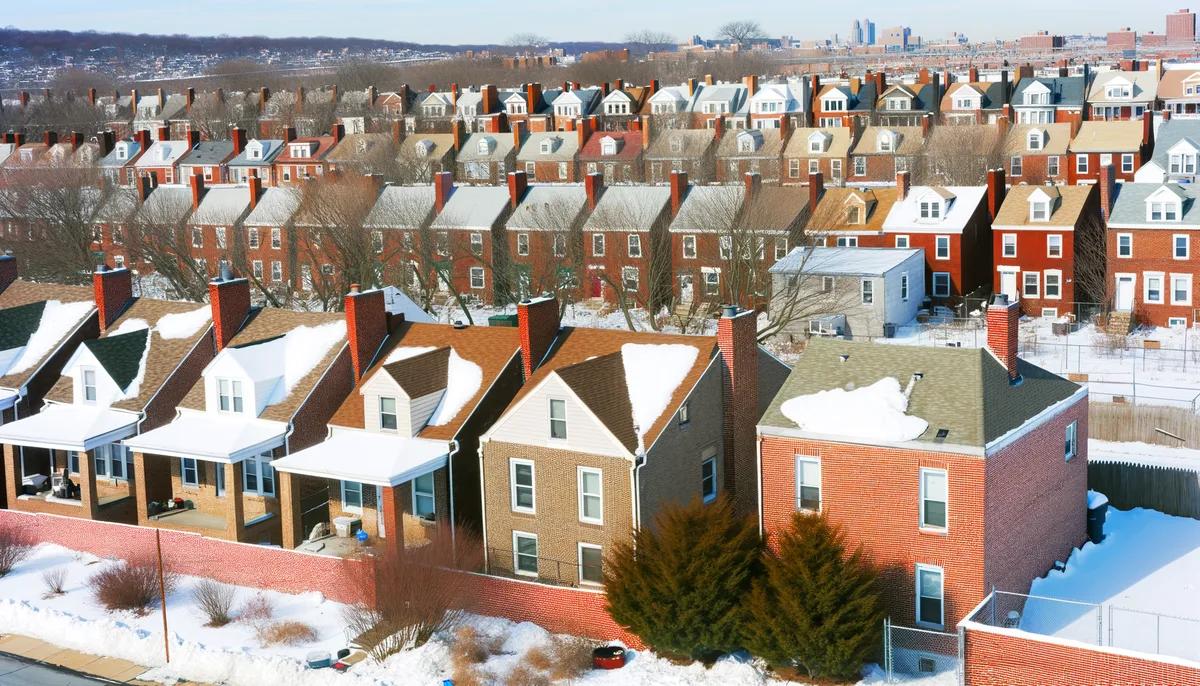
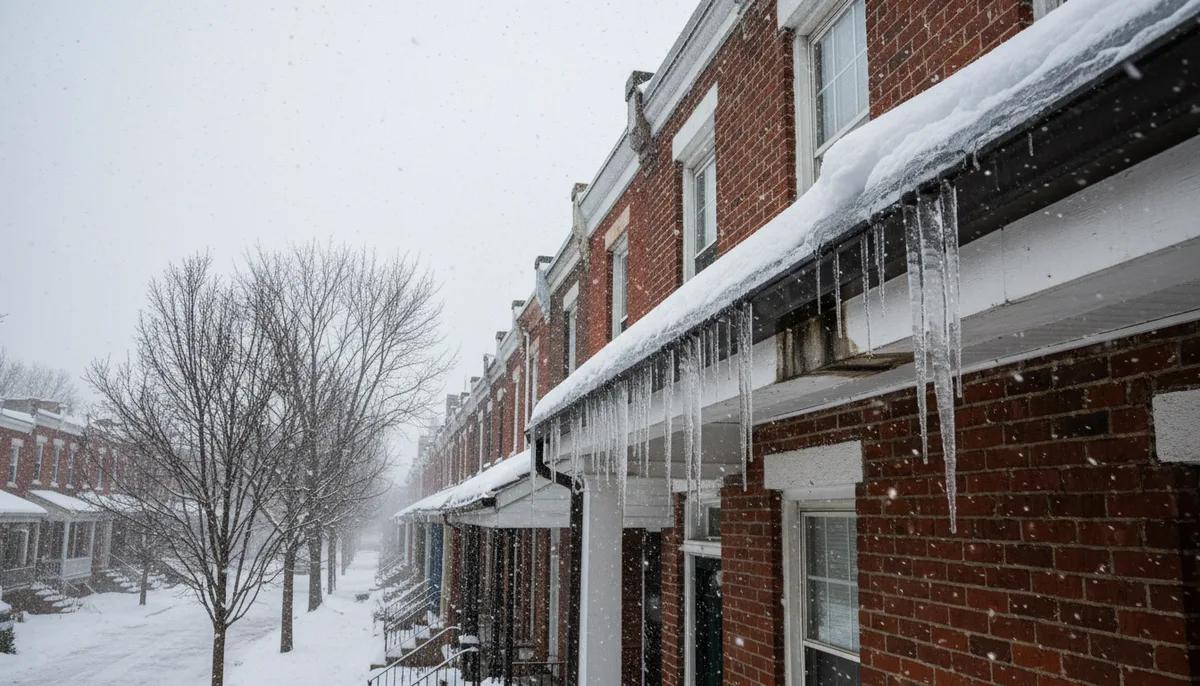
Philadelphia row homes covered in snow during a winter storm, showing ice buildup along roof edges and gutters in a South Philly neighborhood
Why Philadelphia Winters Are Especially Hard on Roofs

2

Immediate Steps to Take the Moment You Discover a Roof Leak

When water starts dripping from your ceiling or you notice a wet stain spreading across drywall, every minute counts. The first priority is protecting the interior of your home from water damage — not fixing the roof itself.

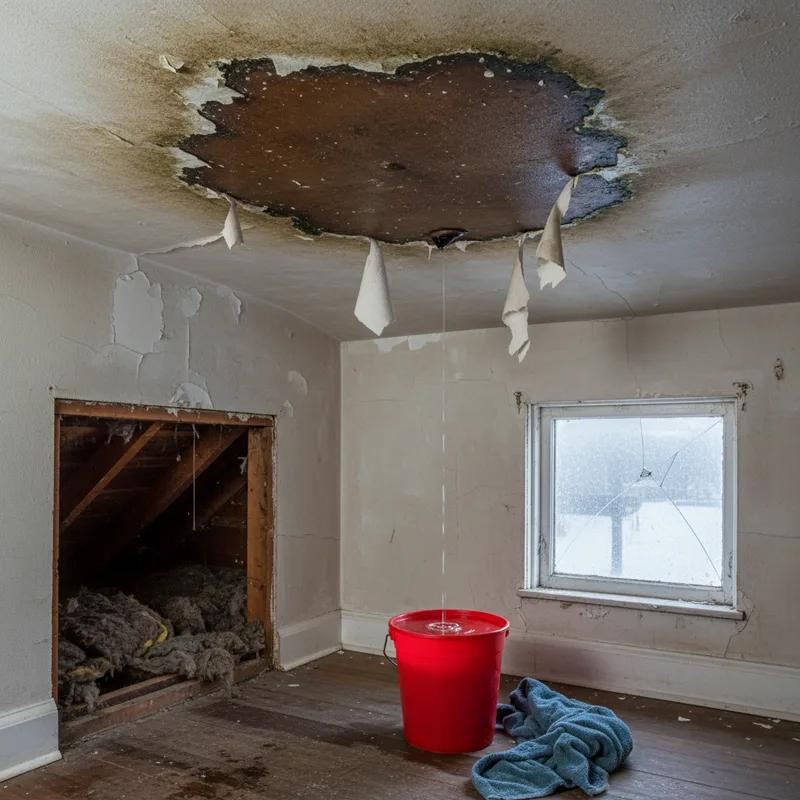
Start by placing buckets or large containers under any active drips. If water is pooling on the ceiling and creating a bulge, carefully puncture the lowest point of the bulge with a screwdriver. This sounds counterintuitive, but a controlled release prevents the ceiling from collapsing under the weight of collected water, which can cause far more damage to your belongings and flooring below.

Next, move furniture, electronics, and valuables away from the affected area. Lay down plastic sheeting or tarps to protect hardwood floors and carpeting. Water damage to floors and subfloors can easily add thousands of dollars to your repair bill, and in Philadelphia's older row homes, subfloor damage can compromise structural integrity.

Document everything with photos and video before you clean anything up. This documentation is critical for filing a homeowner's insurance claim. Capture the water source, ceiling damage, any damaged belongings, and the condition of your attic or roof deck if you can safely access it.

Call your homeowner's insurance company as soon as possible to report the leak. Most policies require prompt notification, and delays can complicate your claim. Keep a written record of every call, including the date, time, and name of the representative you spoke with.

Finally, if the leak is severe — water pouring in, structural damage visible, or electrical fixtures affected — contact the Philadelphia Department of Licenses and Inspections (L&I) emergency line. Do not attempt to use electrical fixtures in rooms with active water intrusion, and consider temporarily shutting off electricity to affected areas at your breaker panel.

Philadelphia homeowner placing a bucket under a ceiling drip in a row home living room while photographing water damage on a winter evening
Immediate Steps to Take the Moment You Discover a Roof Leak

3

Temporary Fixes You Can Safely Apply in Winter Conditions

Once you've protected the interior of your home, you may be able to apply a temporary exterior fix — but only if it's safe to do so. Never attempt to climb onto an icy or snow-covered roof without proper safety equipment and experience. Falls from roofs are a leading cause of serious injury among homeowners, and Philadelphia's steep row home rooflines make this especially dangerous in winter conditions.

If you can safely access the roof or a low-slope flat roof from a hatch or dormer, a heavy-duty polyethylene tarp is your best friend. Use tarps rated at least 6 mil thick and secure them with weighted boards, sandbags, or roofing nails driven through wood battens along the edges. Avoid nailing directly into the roof surface without backing — this can create new leak points. Extend the tarp at least 4 feet past the leak source in every direction and wrap it over the ridge if possible.

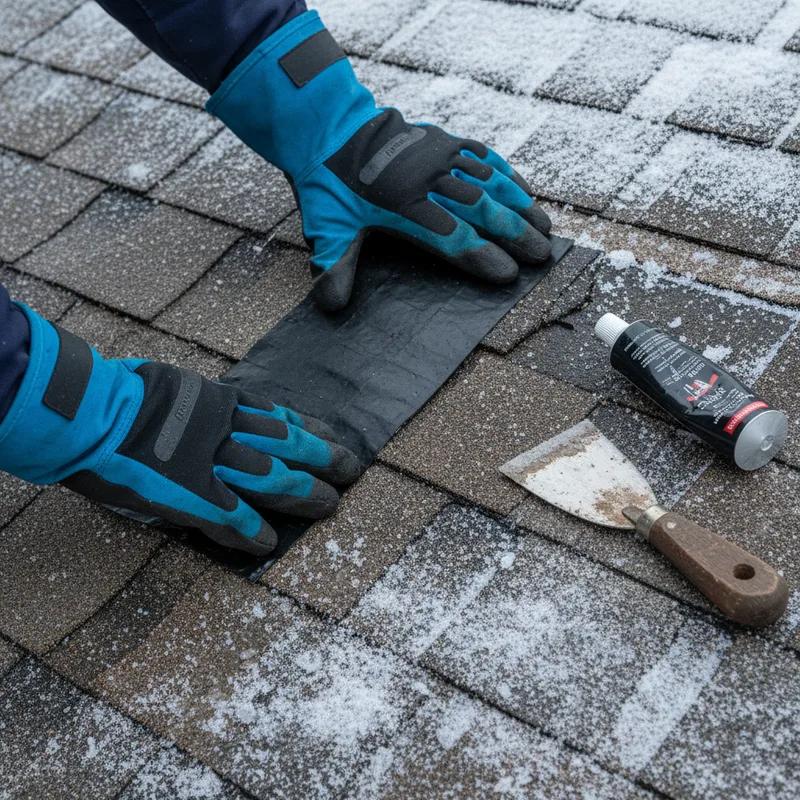
For smaller, localized leaks around flashing or pipe boots, roofing cement (also called roof tar or mastic) can be applied in temperatures as low as 40°F with certain cold-weather formulas. Apply it generously around the compromised area using a caulk gun or trowel. This is a temporary fix only — roofing cement degrades over time and is not a substitute for professional flashing repair.

Ice dam leaks require a different approach. Do not attempt to chip ice off your roof with a hammer or ice pick — this almost always damages shingles. Instead, use a roof rake with an extended handle from the ground to remove snow from the lower 3–4 feet of your roof, reducing the source of meltwater. Calcium chloride ice melt in a nylon stocking laid perpendicular across the dam can help create drainage channels without damaging roofing materials. Avoid rock salt, which corrodes metal gutters and flashings common on Philadelphia homes.

Homeowner using a long-handled roof rake to remove snow from the edge of a Philadelphia row home roof during winter, standing safely on the sidewalk below
Temporary Fixes You Can Safely Apply in Winter Conditions

4

Understanding Where Philadelphia Roof Leaks Most Commonly Originate

Knowing where to look — and what to tell your contractor — can speed up the repair process significantly. Philadelphia roofs have a handful of recurring trouble spots that account for the majority of winter leaks.

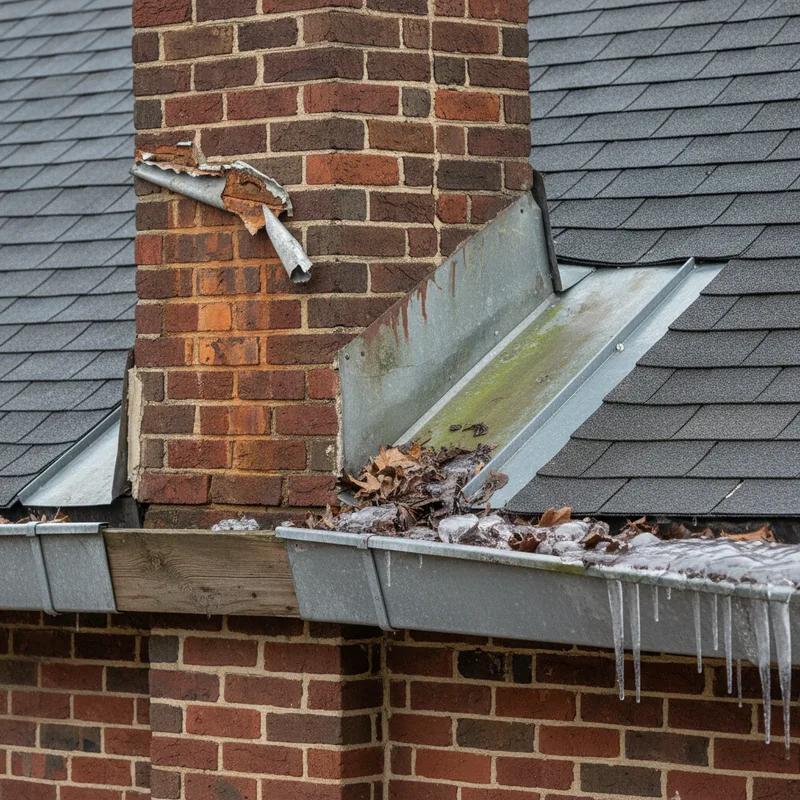
Flashing failures are the number one culprit. Flashing is the metal (typically aluminum or galvanized steel) installed around chimneys, skylights, dormer walls, pipe penetrations, and roof-to-wall intersections. In Philadelphia's freeze-thaw climate, flashing expands and contracts repeatedly, causing the sealant and mortar that holds it in place to crack and separate. Many of the city's older brick chimneys, particularly in neighborhoods like Fairmount, Bella Vista, and East Passyunk, have deteriorated step flashing and counter flashing that allows water to funnel directly into the home.

For Philadelphia's abundant flat and low-slope roofs — found on the vast majority of row homes throughout the city — membrane failures are a primary concern. EPDM rubber roofs, modified bitumen, and TPO membranes can develop blisters, seam separations, and punctures that become active leaks when snow melts on top of them. Ponding water that freezes and thaws repeatedly accelerates membrane degradation.

Gutters and downspouts also play a major role. When gutters are clogged with fall leaves and debris, water backs up under the first course of shingles or under the edge of a flat roof membrane. Philadelphia's mature street trees — particularly in neighborhoods like Chestnut Hill, Mount Airy, and the Overbrook area — mean gutters fill up quickly in autumn, and many homeowners head into winter with already-compromised drainage systems.

Valley flashing, pipe collars, and roof vents round out the most common leak sources. When you contact a roofing contractor, describing the location of the leak relative to these features will help them diagnose the problem faster and provide a more accurate estimate.

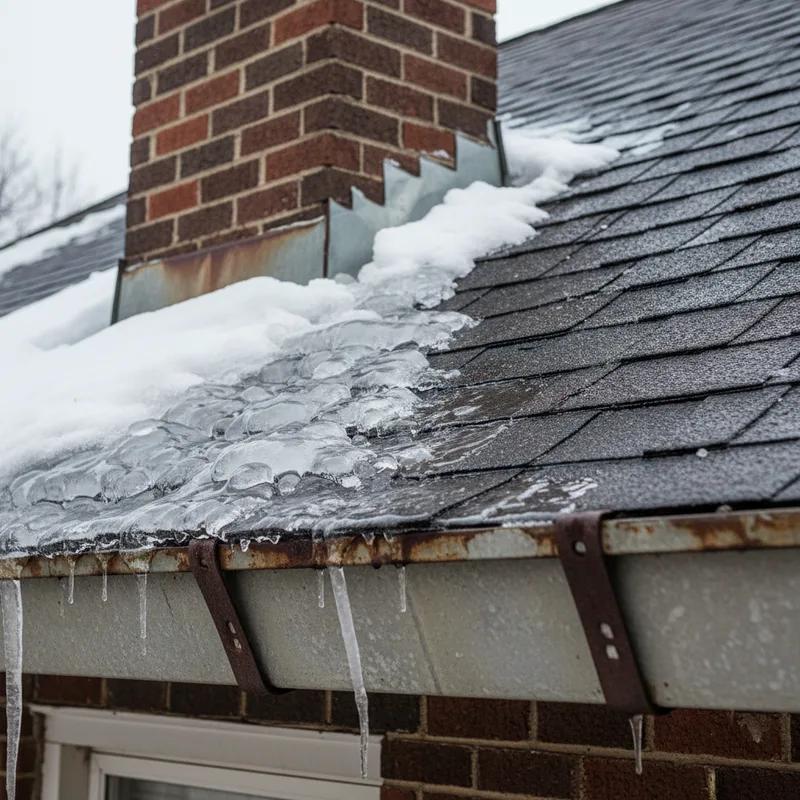
Close-up of deteriorated chimney flashing on a Philadelphia brick row home with visible gaps in mortar and rust staining on the surrounding shingles
Understanding Where Philadelphia Roof Leaks Most Commonly Originate

5

How to Find and Vet an Emergency Roofing Contractor in Philadelphia

A winter roof leak will attract opportunistic contractors — sometimes called storm chasers — who knock on doors, offer suspiciously low quotes, and disappear after collecting a deposit. Philadelphia has seen its share of roofing scams, and the pressure of an active leak can make homeowners vulnerable to making hasty decisions.

Start by verifying that any contractor you consider is properly licensed through the City of Philadelphia. Philadelphia requires home improvement contractors to be registered with the Department of Licenses and Inspections (L&I). You can verify contractor registration status directly on the City's online portal. Additionally, Pennsylvania requires contractors to be registered as Home Improvement Contractors (HIC) through the Pennsylvania Attorney General's office under the Home Improvement Consumer Protection Act.

Always ask for proof of general liability insurance and workers' compensation coverage before anyone sets foot on your roof. Request certificates of insurance directly from the contractor's insurance provider — not just a copy handed to you — and confirm the policy is current.

For emergency repairs, look for contractors who are members of the National Roofing Contractors Association (NRCA) or who hold manufacturer certifications from companies like GAF, Owens Corning, or Carlisle (for flat roofing). These credentials indicate a baseline level of training and accountability.

Get at least two or three quotes even in an emergency, and be wary of anyone who pressures you to sign immediately or asks for more than 30–40% upfront. Under Pennsylvania's Home Improvement Consumer Protection Act, contracts over $500 must be written, signed, and include specific details about the scope of work, materials, and timeline.

Philly Roof Find's contractor directory is a good starting point for finding vetted, local roofing professionals who know Philadelphia's specific building codes, common row home configurations, and permit requirements.

Philadelphia homeowner reviewing a written roofing contract with a licensed contractor at a kitchen table, with roofing material samples and a clipboard visible
How to Find and Vet an Emergency Roofing Contractor in Philadelphia

Frequently Asked Questions

Can a roofing contractor fix a roof leak in the middle of a Philadelphia winter?

Yes, many Philadelphia roofing contractors perform emergency repairs year-round, including in winter. Temporary repairs like tarping, roofing cement application, and flashing patches can be done in cold weather, while permanent repairs may need to wait for temperatures consistently above 40°F for proper material adhesion. Always confirm a contractor's availability and cold-weather repair capabilities before hiring.

How do I know if my roof leak is caused by an ice dam?

Ice dam leaks typically show up as water stains or drips near exterior walls, eaves, or the lower portions of the ceiling — not near the roof's peak. You may also notice a thick ridge of ice along your roof's edge or in your gutters after a snowfall followed by a cold snap. Ice dams form when heat escaping from the living space melts snow on the upper roof, which then refreezes at the colder eaves.

Does homeowner's insurance cover winter roof leaks in Philadelphia?

It depends on the cause. Sudden storm damage from wind, snow, or ice is generally covered under standard homeowner's policies. However, leaks caused by gradual deterioration, lack of maintenance, or pre-existing damage are typically excluded. Document all damage thoroughly and contact your insurer promptly — delays in reporting can complicate or void your claim.

Is it safe to put a tarp on my roof myself in winter?

Only if the roof is accessible, dry, and you have proper safety equipment including non-slip footwear, a safety harness, and a stable ladder. Never attempt to walk on a snow-covered or icy roof. For most Philadelphia row homes with steep pitches or icy conditions, it's safer to call a professional for emergency tarping rather than risk a serious fall.

What permits are required for emergency roof repairs in Philadelphia?

Minor emergency repairs like tarping or patching typically do not require a permit. However, any substantial roofing work — including full or partial replacement — requires a building permit from the Philadelphia Department of Licenses and Inspections (L&I). Your licensed contractor should pull the necessary permits; be cautious of any contractor who suggests skipping this step, as unpermitted work can create problems when you sell your home or file an insurance claim.

James Callahan
Founder & Editor, Philly Roof Find

James founded Philly Roof Find to give Philadelphia homeowners a transparent, independent resource for evaluating roofing contractors. With a background in building trades and a focus on local construction practices, he writes practical guides grounded in Philadelphia-specific building codes, materials, and contractor standards.