How Philadelphia Homeowners Can Access Free Roof Repair Programs

Discover grants, nonprofit programs, and city-backed resources helping Philadelphia homeowners get free or low-cost roof repairs in 2026. Learn how to qualify.

How Philadelphia Homeowners Can Access Free Roof Repair Programs - Philadelphia roofing guide

Philadelphia homeowners struggling with roof damage don't have to face costly repairs alone — a range of city-backed grants, nonprofit programs, and federal assistance options exist to help cover the cost.

James Callahan
Published August 20, 2026·Updated August 20, 2026
1

Why So Many Philadelphia Homeowners Need Roof Repair Assistance

Philadelphia's housing stock is among the oldest in the United States. Thousands of row homes throughout neighborhoods like Kensington, Germantown, West Philadelphia, and Strawberry Mansion were built in the late 19th and early 20th centuries, and their roofs — many of them flat or low-slope — have been patched, re-patched, and stretched well beyond their intended lifespan. When a roof finally fails, the financial consequences can be devastating for fixed-income and low-to-moderate income homeowners.

The city's climate doesn't help. Philadelphia endures a full range of seasonal punishment: summer heat waves that routinely push temperatures above 95°F and cause flat roof membranes to blister and crack, nor'easters and winter storms that drive ice and moisture under aging shingles, and intense spring thunderstorms that can strip flashing and overwhelm clogged gutters. For a homeowner already managing tight finances, even a modest roof leak can spiral into structural damage, mold growth, and interior deterioration that costs far more than the original repair.

According to the Philadelphia Office of Housing, a significant percentage of the city's owner-occupied homes are owned by residents at or below 80% of the Area Median Income (AMI) — the typical threshold for many assistance programs. These homeowners are most vulnerable to deferred maintenance and least equipped to absorb sudden repair costs that can range from $1,500 for minor patching to $15,000 or more for a full flat roof replacement on a typical row home.

The good news is that Philadelphia has built a layered ecosystem of assistance programs specifically designed to address this gap. City agencies, nonprofit housing organizations, and federal funding streams all converge to offer real help — but navigating the system requires knowing where to look. This guide is designed to be your roadmap.
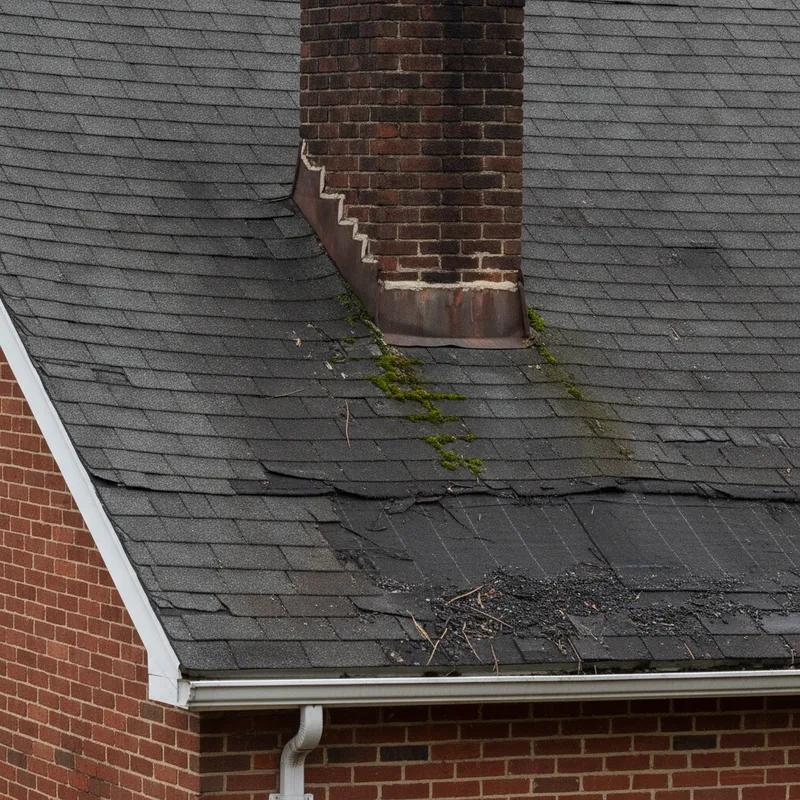
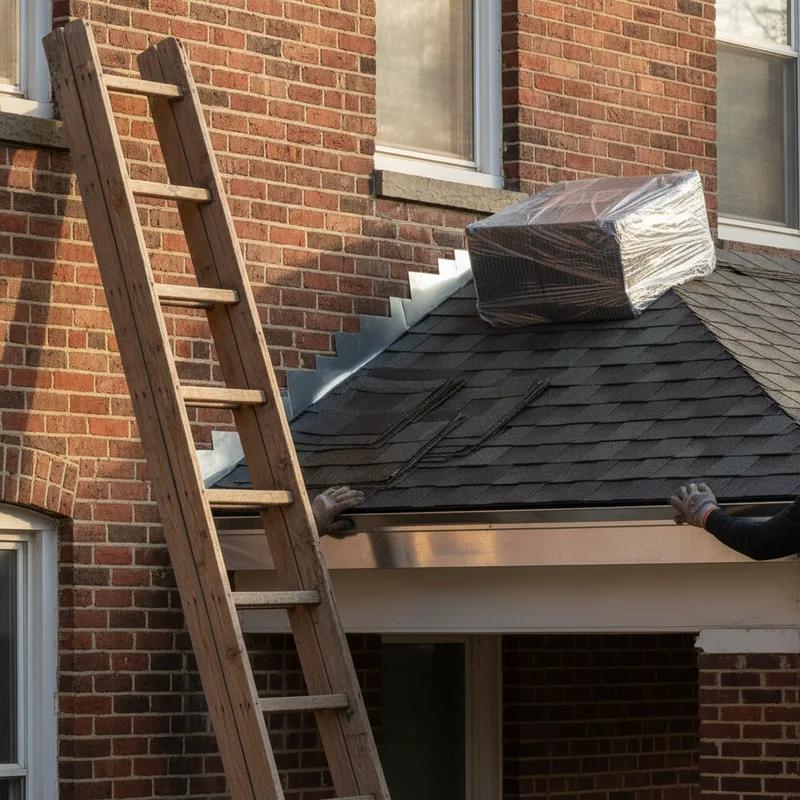
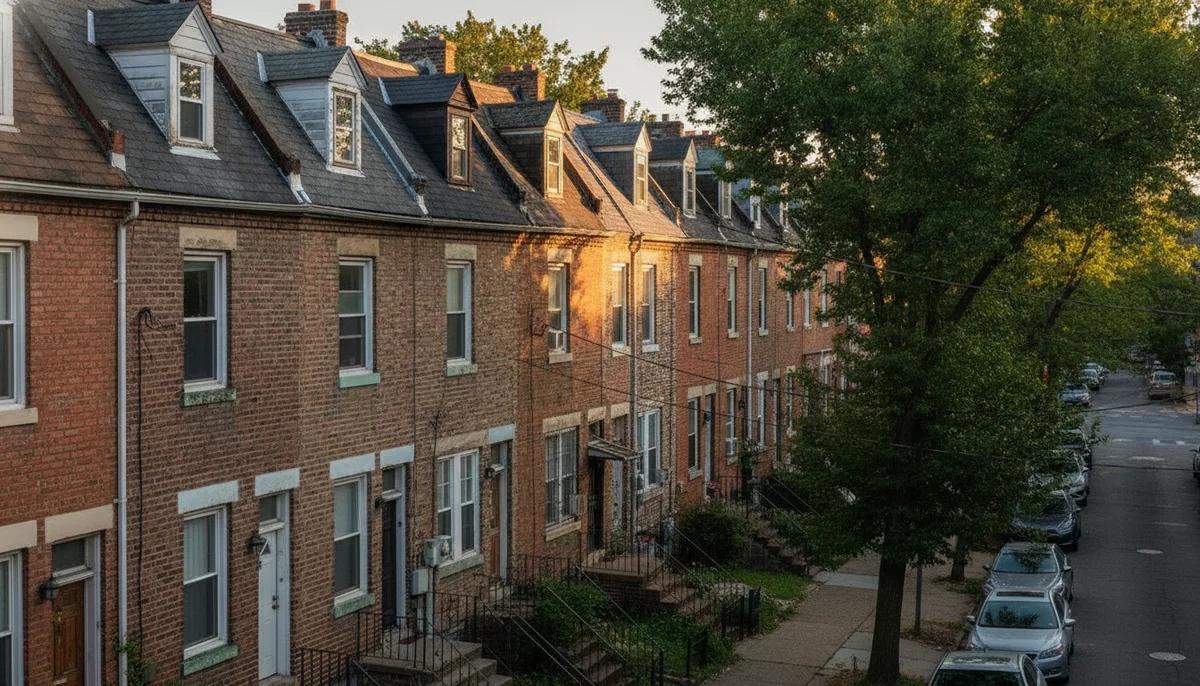
A row of aging Philadelphia row homes in Kensington with visibly worn flat roofs and patched membranes on a cloudy day
Why So Many Philadelphia Homeowners Need Roof Repair Assistance

2

The Philadelphia Home Initiative and PHDC Repair Programs

The cornerstone of Philadelphia's home repair assistance landscape is the Philadelphia Home Initiative (PHI), administered through the Philadelphia Housing Development Corporation (PHDC). This program provides grants and low-interest loans to income-eligible homeowners for critical repairs — and roof work is consistently one of the most common approved repair categories.

Under the PHI framework, qualifying homeowners can receive grants of up to $25,000 for essential repairs, which can include roof replacement or significant structural roof repairs. To be eligible, applicants generally must own and occupy their home as their primary residence, be current on property taxes (or be enrolled in a payment agreement), and meet income guidelines based on household size and the current Area Median Income for the Philadelphia metropolitan area.

The PHDC also administers the Adaptive Modifications Program and the Weatherization Assistance Program, both of which can intersect with roof-related work. The Weatherization program in particular often funds attic insulation and sealing improvements that are directly tied to roof performance and energy efficiency — a dual benefit for homeowners whose aging roofs are also driving up heating and cooling costs.

To apply, Philadelphia homeowners should contact PHDC directly at their offices on Arch Street or visit the official PHDC website to download the application. The process involves an intake interview, income verification, and a home inspection to assess the scope of needed repairs. Wait times can vary depending on program funding cycles, so applying as early as possible is strongly recommended.

Pro tip: When you contact PHDC, ask specifically about roof repair eligibility and whether your home qualifies under any current grant cycles. Program funding is often allocated in waves tied to the city's fiscal year and federal grant disbursements, so timing your application strategically can make a meaningful difference.

A PHDC housing counselor reviewing home repair paperwork with a Philadelphia homeowner at a kitchen table
The Philadelphia Home Initiative and PHDC Repair Programs

3

Federal Programs: CDBG Funding, HUD Resources, and Section 504 Loans

Beyond city-administered programs, Philadelphia homeowners can access several federal funding streams that support free or low-cost roof repairs. Understanding how these programs work — and how they flow into local initiatives — helps homeowners identify every available resource.

The Community Development Block Grant (CDBG) program, administered by the U.S. Department of Housing and Urban Development (HUD), provides Philadelphia with annual funding that the city allocates to neighborhood improvement and housing repair programs. A portion of this funding directly supports the PHDC's home repair initiatives, meaning that many city programs are ultimately backed by federal dollars. Homeowners don't apply to CDBG directly — instead, they apply through local program administrators like PHDC — but knowing this connection helps explain why income thresholds and eligibility criteria mirror federal HUD guidelines.

For rural-adjacent or lower-density areas of Philadelphia County, the USDA Section 504 Home Repair program offers grants of up to $10,000 for very low-income homeowners over age 62, specifically to remove health and safety hazards — a category that includes failing roofs. While Philadelphia proper is largely urban, some homeowners in the far northeast or northwest sections of the city may qualify depending on census-designated eligibility maps, which are updated periodically.

The Section 203(k) rehabilitation mortgage program through FHA is another federal tool, though it applies primarily to homeowners refinancing or purchasing a home that needs significant repairs. If you're in a position to refinance, this program can roll roof replacement costs into a new mortgage at favorable rates.

Finally, homeowners who are veterans or surviving spouses of veterans should investigate VA Home Improvement and Structural Alterations (HISA) grants, which can provide up to $6,800 in home modification funding that may cover roof-related structural repairs. Contact the Philadelphia VA Medical Center's social work department for guidance on applying.

A HUD-approved housing counselor at a Philadelphia community center explaining federal home repair grant options to a group of homeowners
Federal Programs: CDBG Funding, HUD Resources, and Section 504 Loans

4

Nonprofit Organizations Offering Roof Repair Help in Philadelphia

Philadelphia's robust nonprofit sector fills critical gaps that government programs sometimes leave behind, particularly for homeowners who fall just outside income eligibility thresholds or who need faster assistance than city program waitlists can provide.

Philadelphia VIP (Volunteers for the Indigent Program) connects low-income homeowners with pro bono legal and housing services, and can help residents navigate applications for repair assistance programs. While VIP doesn't fund repairs directly, their housing attorneys can be invaluable in resolving title issues or tax liens that might otherwise disqualify a homeowner from city programs.

Habitat for Humanity Philadelphia operates a robust Home Repair program that serves homeowners across the city, including many neighborhoods with concentrated older housing stock like North Philadelphia, Frankford, and Southwest Philadelphia. Habitat's repair program focuses on critical health and safety repairs — roofs, electrical, plumbing — and uses a combination of volunteer labor and donated materials to dramatically reduce costs. Income-eligible homeowners may pay little to nothing out of pocket, and Habitat's staff can help guide applicants through the process from initial assessment to completed repair.

The Rebuilding Together Philadelphia chapter is another key nonprofit resource. This organization coordinates volunteer-powered repair days and partners with licensed contractors to address urgent home repair needs for elderly and disabled homeowners. Roof repairs and weatherproofing are among their most frequently completed projects.

Community organizations like HACE (Hispanic Association of Contractors and Enterprises) in the Norris Square and Fairhill neighborhoods, and Impact Services in Kensington, also connect residents with repair resources and can serve as trusted intermediaries when navigating city programs. These organizations understand the specific housing challenges of their neighborhoods and often have direct relationships with PHDC program staff.

When working with any nonprofit, always verify their legitimacy through the Pennsylvania Attorney General's charitable organization registry and check contractor licensing through the Pennsylvania Bureau of Consumer Protection.

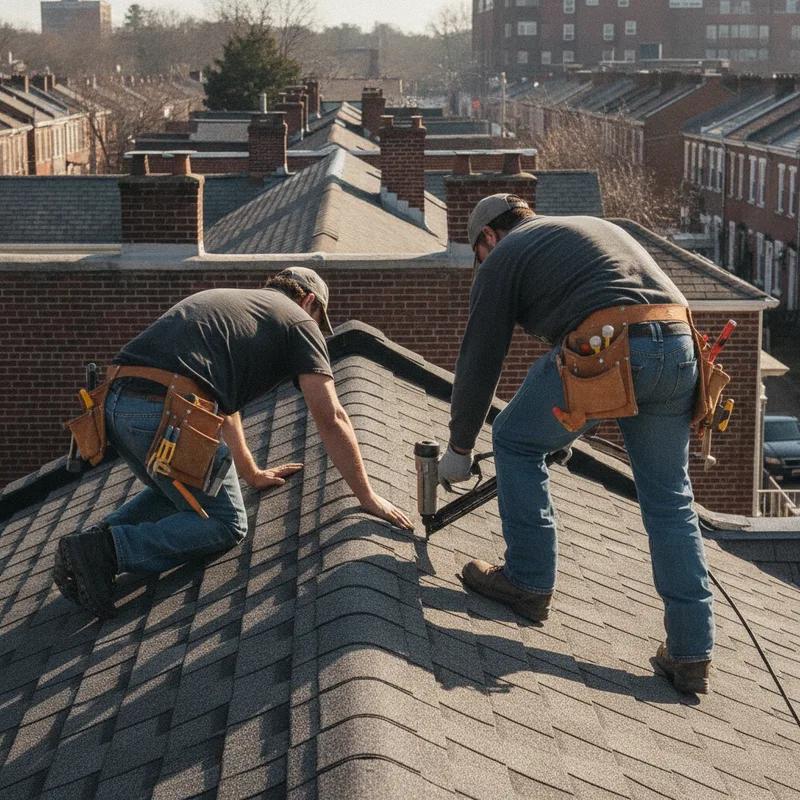
Habitat for Humanity volunteers in safety gear installing new roofing materials on a North Philadelphia row home on a sunny day
Nonprofit Organizations Offering Roof Repair Help in Philadelphia

5

How to Qualify, Apply, and Avoid Scams When Seeking Roof Assistance

Knowing that programs exist is only half the battle — understanding how to successfully navigate the application process, and how to protect yourself from bad actors who prey on homeowners seeking assistance, is equally critical.

Most Philadelphia roof repair assistance programs share a common set of eligibility requirements: owner-occupancy of the property, income at or below a specified percentage of the Area Median Income (typically 50–80% AMI), being current on property taxes or enrolled in a payment plan, and having a home inspection that confirms the roof repair is a genuine health and safety need. Gathering your documentation in advance — including proof of income for all household members, your most recent property tax statement, proof of homeownership, and any existing contractor estimates or inspection reports — will significantly speed up the application process.

Be aware that the demand for these programs consistently exceeds available funding. Applying early in the program's fiscal cycle (typically aligned with the city's July 1 fiscal year start) gives you the best chance of accessing funding before it's exhausted. Follow up regularly after submitting your application, and don't hesitate to ask your city council representative's office to assist if your application has stalled.

Unfortunately, roof repair scams are a serious problem in Philadelphia, particularly after major storms. Watch for contractors who approach you unsolicited, demand large upfront payments, claim to have a special relationship with city programs, or pressure you to sign contracts immediately. Legitimate city and nonprofit programs will never charge application fees, and all contractors doing work under city programs must be licensed with the City of Philadelphia Department of Licenses and Inspections (L&I) and carry appropriate insurance.

Always verify a contractor's license at the L&I portal before signing anything, and get at least two independent estimates for any repair work. If something feels off, contact the Philadelphia District Attorney's Consumer Protection Unit.

A Philadelphia homeowner carefully reviewing a roofing contract at a kitchen table with a licensed contractor's credentials visible on the table
How to Qualify, Apply, and Avoid Scams When Seeking Roof Assistance

6

Additional Resources: Energy Efficiency Programs, Tax Credits, and Where to Start

Beyond direct repair grants, Philadelphia homeowners can leverage several overlapping programs that address roof-related costs through an energy efficiency or weatherization lens — often with less stringent income requirements than emergency repair programs.

PECO's EnergyWorks program offers rebates and financing for energy efficiency improvements, and qualifying roof insulation or cool roof installations may be eligible. The Pennsylvania Weatherization Assistance Program (WAP), administered locally through community action agencies like Resources for Human Development (RHD), provides free weatherization services to income-eligible households — work that frequently includes attic air sealing and insulation directly above the roof deck, improving both energy performance and roof longevity.

Philadelphia's Green Roof Tax Credit program, part of the city's broader stormwater management initiative under the Philadelphia Water Department's Green City, Clean Waters program, offers tax credits for installing vegetative or other qualifying green roof systems. While this is most applicable to flat-roof row homes and doesn't cover standard repairs, it's worth exploring if your roof needs replacement anyway and you're interested in long-term stormwater fee reductions.

For homeowners who don't qualify for grants but need financing, the Pennsylvania Housing Finance Agency (PHFA) offers the Keystone Home Energy Loan Program (HELP) and the Whole-Home Repairs program, which provides forgivable loans to low-and-moderate income homeowners for critical repairs including roofing.

The best starting point for most Philadelphia homeowners is a single phone call: 311, the city's general services line. Operators can connect you with PHDC intake staff, refer you to appropriate nonprofit partners, and help you understand which programs you're most likely to qualify for based on your income and situation. You can also visit phila.gov and search 'home repair assistance' to access the current program portal.

Don't wait for a small leak to become a major structural failure. The programs exist — the key is taking the first step to access them.

A Philadelphia homeowner on a laptop researching city home repair programs at a desk, with a water stain visible on the ceiling in the background
Additional Resources: Energy Efficiency Programs, Tax Credits, and Where to Start

Frequently Asked Questions

Who qualifies for free roof repair programs in Philadelphia?

Most Philadelphia roof repair assistance programs require applicants to own and occupy their home as a primary residence, meet income guidelines (typically at or below 80% of the Area Median Income), and be current on property taxes or enrolled in a payment plan. Elderly homeowners, veterans, and households with disabled members may qualify for additional or expedited assistance through specialized programs.

How do I apply for the Philadelphia Home Initiative roof repair grant?

Contact the Philadelphia Housing Development Corporation (PHDC) directly through their website at phila.gov/phdc or by calling their intake line to begin the application process. You'll need to provide proof of income, ownership documents, and your most recent property tax statement. A PHDC inspector will then visit your home to assess the scope of needed repairs and determine grant eligibility.

How long does it take to receive roof repair assistance in Philadelphia?

Wait times vary significantly depending on program funding availability and application volume. City programs like the Philadelphia Home Initiative can have waitlists ranging from several weeks to several months, particularly late in the fiscal year when funding is nearly exhausted. Applying early — ideally at the start of the city's fiscal year in July — and following up regularly gives you the best chance of timely assistance.

Can I get free roof repair help if I don't qualify for city programs?

Yes. Nonprofit organizations like Habitat for Humanity Philadelphia and Rebuilding Together Philadelphia serve homeowners who may not meet strict city income thresholds or who need faster assistance. Additionally, the Pennsylvania Whole-Home Repairs program offers forgivable loans for those who qualify for assistance but not outright grants. Calling 311 is a good first step to explore all available options.

Are there scams targeting Philadelphia homeowners seeking roof repair grants?

Unfortunately, yes. Fraudulent contractors sometimes pose as representatives of city programs or offer to 'help' homeowners apply for grants in exchange for upfront fees — which is always a red flag, as legitimate programs never charge application fees. Always verify contractor licenses through the Philadelphia Department of Licenses and Inspections portal and report suspected scams to the Philadelphia District Attorney's Consumer Protection Unit.

James Callahan
Founder & Editor, Philly Roof Find

James founded Philly Roof Find to give Philadelphia homeowners a transparent, independent resource for evaluating roofing contractors. With a background in building trades and a focus on local construction practices, he writes practical guides grounded in Philadelphia-specific building codes, materials, and contractor standards.