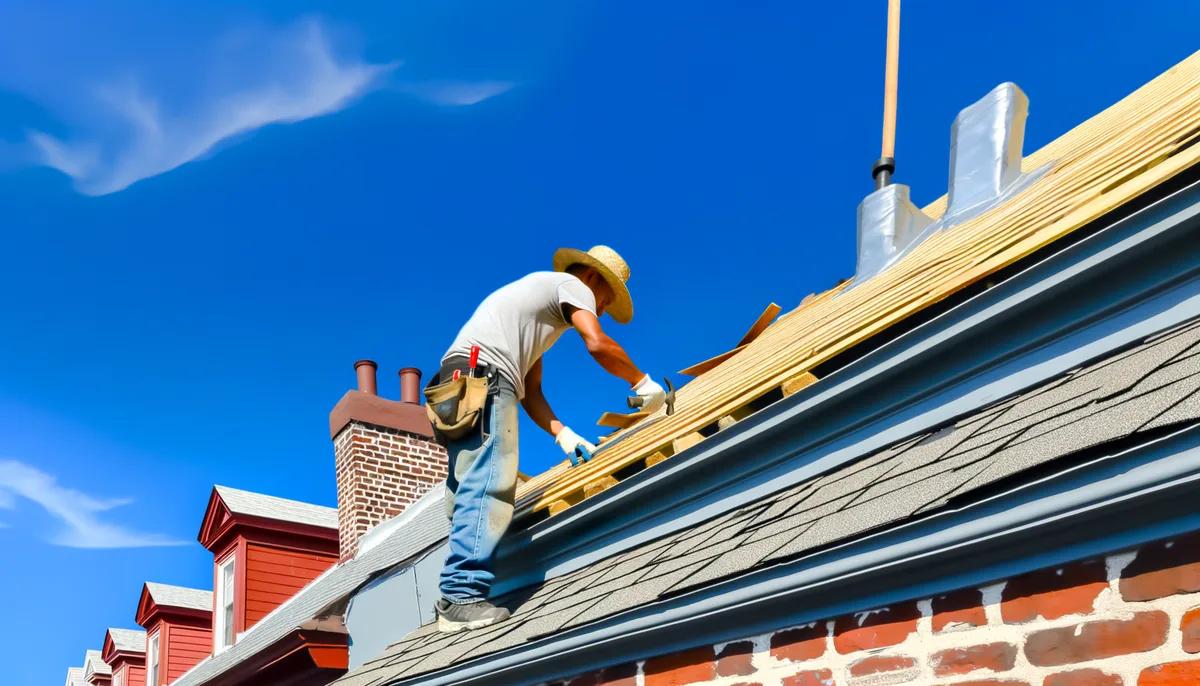
Guide to Earthquake-Proofing Your Philadelphia Roof

Discover essential tips for reinforcing your Philadelphia roof against earthquake damage and ensure your home is safe and secure.

Guide to Earthquake-Proofing Your Philadelphia Roof - Philadelphia roofing guide

Reinforce your Philadelphia roof against earthquakes with our comprehensive guide.

James Callahan
Published February 23, 2026·Updated February 23, 2026
1

Understanding Philadelphia's Earthquake Risk

While Philadelphia is not known for frequent earthquakes, the region is not immune to seismic activity. Historical records show minor tremors affecting the area, reminding homeowners of the importance of preparedness. Understanding the local geological landscape, including the presence of fault lines and soil types, can aid in assessing your roof's vulnerability. The City of Philadelphia encourages homeowners to be proactive in reinforcing their homes, even if the seismic risk is relatively low compared to other regions. The emphasis is on being prepared rather than complacent.
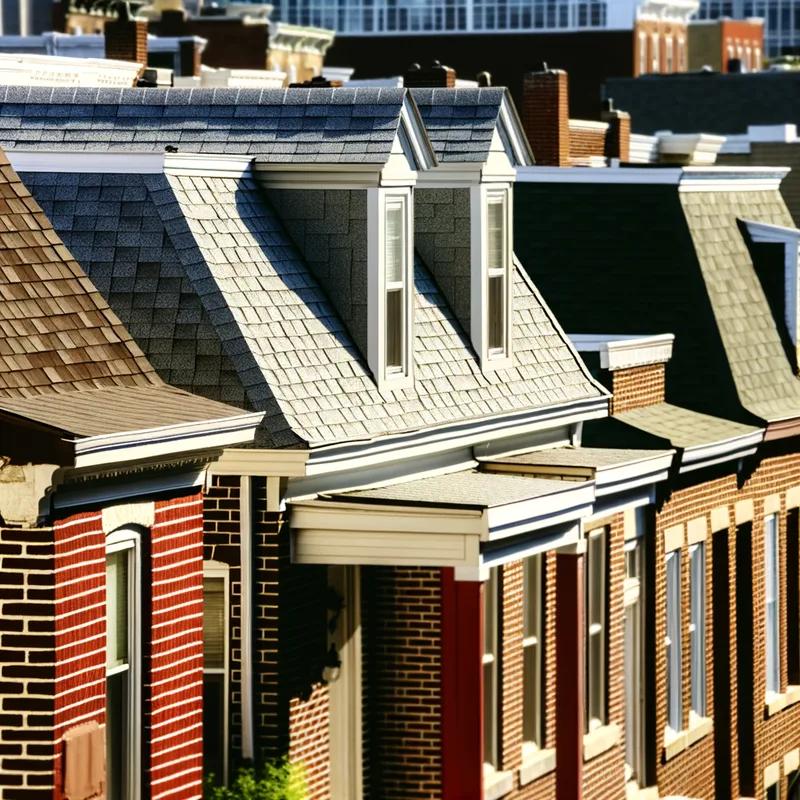
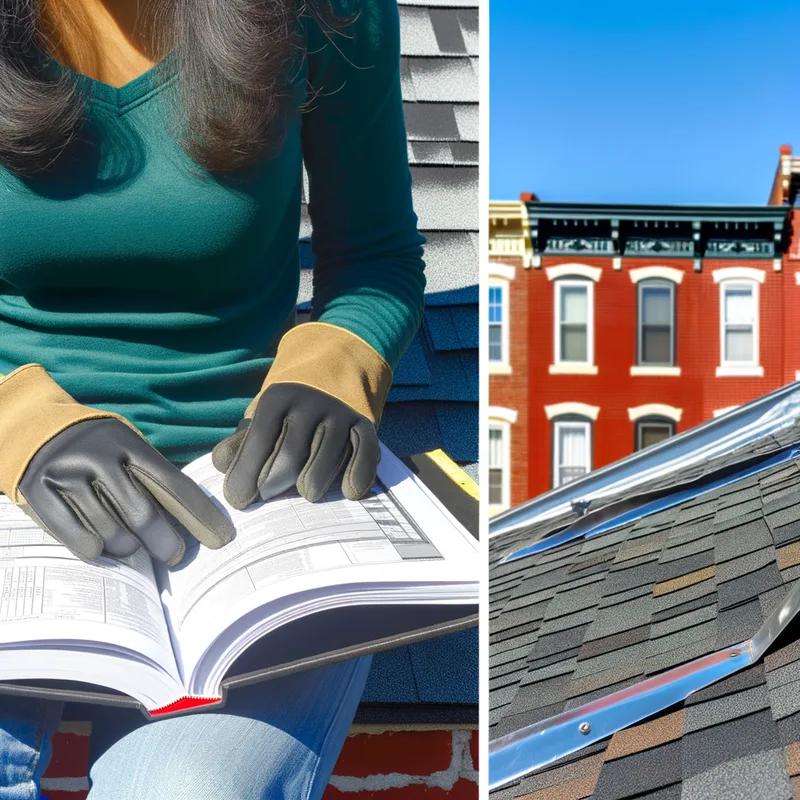
A map of Philadelphia with highlighted fault lines and seismic risk areas.
Understanding Philadelphia's Earthquake Risk

2

Philadelphia Building Codes and Regulations

Philadelphia's building codes have evolved to address various safety concerns, including those related to potential seismic activity. The Philadelphia Department of Licenses & Inspections mandates specific structural requirements for new constructions and major renovations. These include guidelines for roof anchoring and bracing systems designed to withstand seismic forces. Homeowners planning to retrofit their roofs should consult these codes to ensure compliance and maximize safety. Engaging a local contractor familiar with these regulations can streamline the process and provide peace of mind.

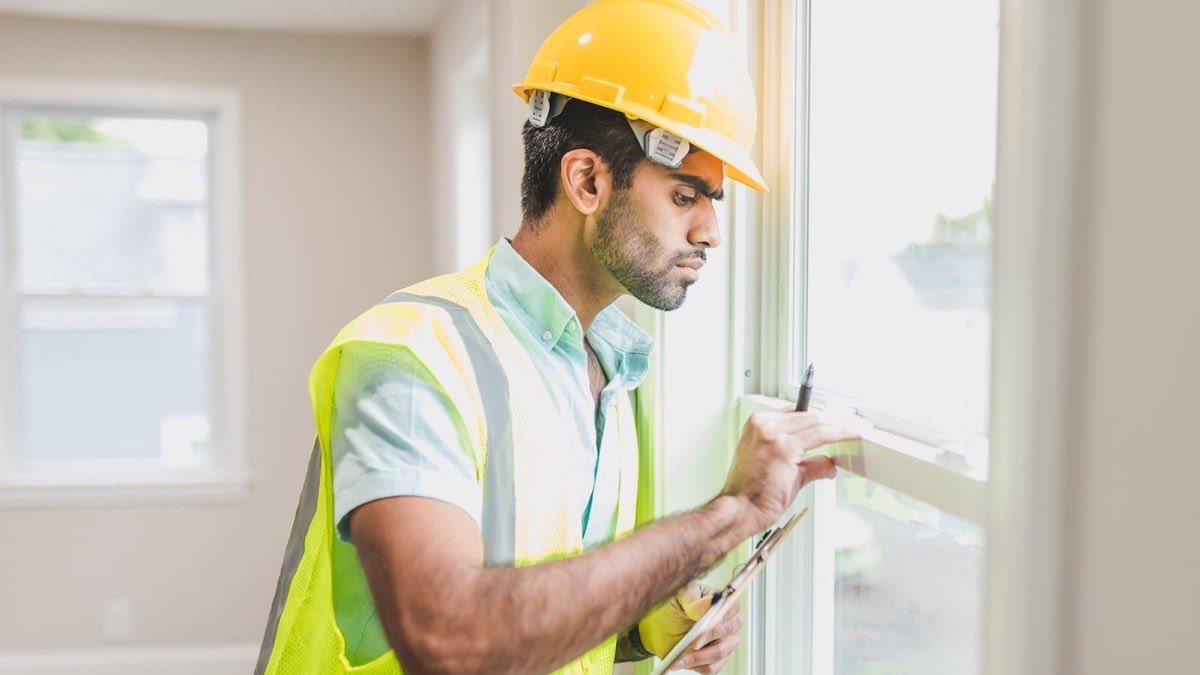
A Philadelphia building inspector reviewing roofing plans for compliance with local codes.
Philadelphia Building Codes and Regulations

3

Practical Retrofitting Techniques for Philadelphia Roofs

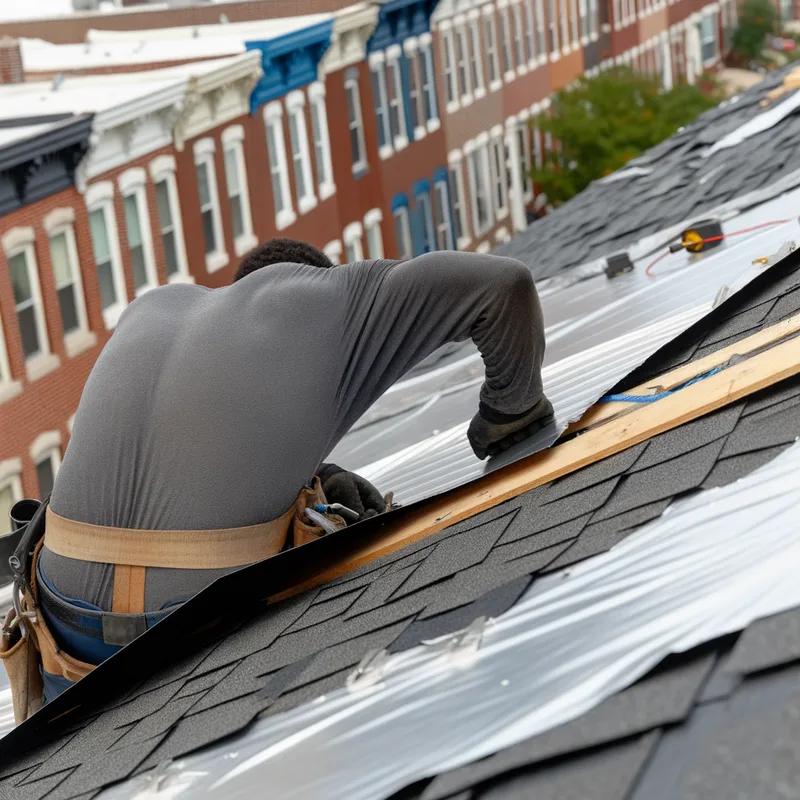
Retrofitting your roof to withstand earthquakes involves several practical steps. Reinforcing the roof deck with metal connectors and straps can significantly enhance its stability. Philadelphia's iconic row homes, with their flat roofs, often benefit from additional bracing and anchoring. Utilizing materials that offer flexibility and strength, such as reinforced shingles or metal roofing, can further protect against seismic forces. Consulting with a structural engineer or experienced roofing contractor familiar with Philadelphia's architectural styles is crucial for a successful retrofit.

A roofing contractor installing metal connectors on a Philadelphia row home's roof.
Practical Retrofitting Techniques for Philadelphia Roofs

4

Choosing the Right Local Contractor

Selecting a local contractor with experience in earthquake-proofing roofs is vital for Philadelphia homeowners. When evaluating potential contractors, check for credentials, experience with seismic retrofitting, and familiarity with local building codes. Ask for references from previous clients and verify their reputation through online reviews. A knowledgeable contractor can offer insights into the most effective materials and techniques for your specific roof type, ensuring a balance between safety and aesthetic appeal.

A Philadelphia roofing contractor discussing retrofitting plans with a homeowner.
Choosing the Right Local Contractor

5

Financial Assistance for Roof Retrofitting

Philadelphia residents may be eligible for financial assistance when retrofitting roofs for earthquake resilience. Various local and federal programs offer grants or low-interest loans aimed at improving home safety. The Philadelphia Housing Development Corporation (PHDC) provides resources for homeowners to explore available financial aid options. Additionally, some insurance policies may offer discounts for homes with upgraded seismic protections. It's advisable to consult with your insurance provider and explore all available financial resources to minimize out-of-pocket expenses.

A Philadelphia homeowner reviewing financial aid options for roof retrofitting with a financial advisor.
Financial Assistance for Roof Retrofitting

6

Maintaining Your Earthquake-Proof Roof

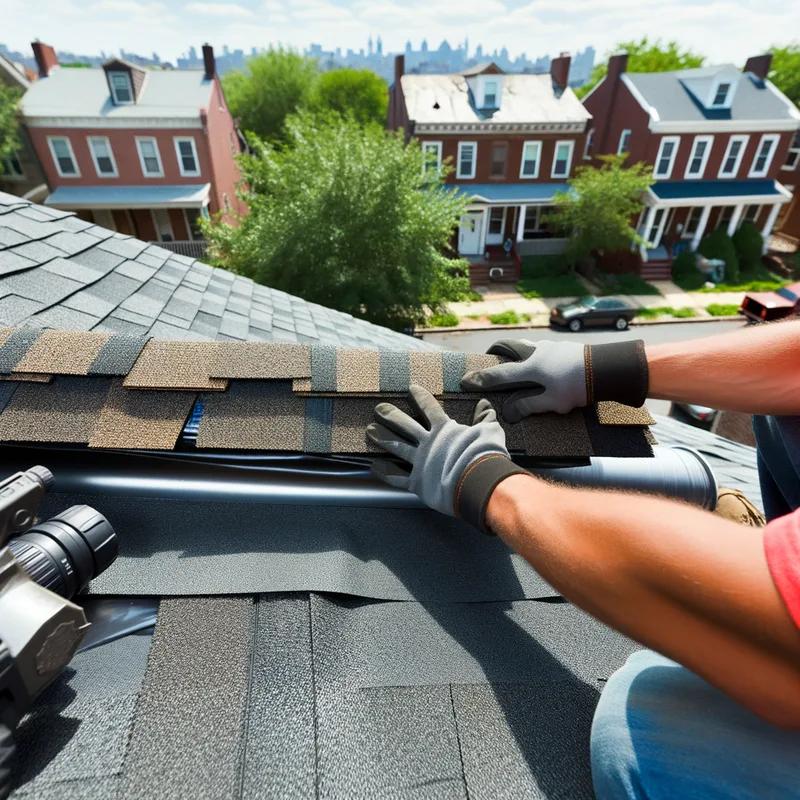
Regular maintenance is crucial to ensure your roof's earthquake resilience. Philadelphia's weather patterns, including heavy snow and rain, can impact the roof's structural integrity over time. Conduct seasonal inspections to identify and address any wear or damage promptly. Clearing debris, checking for loose shingles, and ensuring drainage systems are functioning can prevent minor issues from escalating. Collaborating with a local roofing professional for routine maintenance can extend your roof's lifespan and maintain its protective capabilities.

A maintenance worker inspecting a Philadelphia roof for potential issues after a storm.
Maintaining Your Earthquake-Proof Roof

Frequently Asked Questions

Is Philadelphia at risk for major earthquakes?

Philadelphia is not a high-risk area for major earthquakes, but minor seismic activity can occur. It's important for homeowners to be prepared and reinforce their roofs against potential damage.

What retrofitting techniques are recommended for Philadelphia roofs?

Recommended retrofitting techniques include reinforcing the roof deck with metal connectors, using flexible roofing materials, and ensuring proper anchoring and bracing, especially for flat roofs.

Can I get financial assistance for earthquake-proofing my roof in Philadelphia?

Yes, financial assistance may be available through local and federal programs, such as grants from the Philadelphia Housing Development Corporation, aimed at improving home safety.

James Callahan
Founder & Editor, Philly Roof Find

James founded Philly Roof Find to give Philadelphia homeowners a transparent, independent resource for evaluating roofing contractors. With a background in building trades and a focus on local construction practices, he writes practical guides grounded in Philadelphia-specific building codes, materials, and contractor standards.