How Philadelphia Homeowners Can Use Drones for Roof Inspections

Learn how drone roof inspections work in Philadelphia, what they cost in 2026, and when they make sense for row homes and flat roofs.

How Philadelphia Homeowners Can Use Drones for Roof Inspections - Philadelphia roofing guide

Drone roof inspections are transforming how Philadelphia homeowners assess damage, spot leaks, and plan repairs—without anyone climbing a ladder.

James Callahan
Published April 15, 2026·Updated April 15, 2026
1

What Is a Drone Roof Inspection and How Does It Work?

A drone roof inspection uses an unmanned aerial vehicle (UAV) equipped with high-resolution cameras—and sometimes thermal imaging sensors—to capture detailed footage and photographs of your roof from multiple angles. A trained operator pilots the drone around your home while software stitches the images together into a comprehensive visual report that a roofing professional then analyzes.

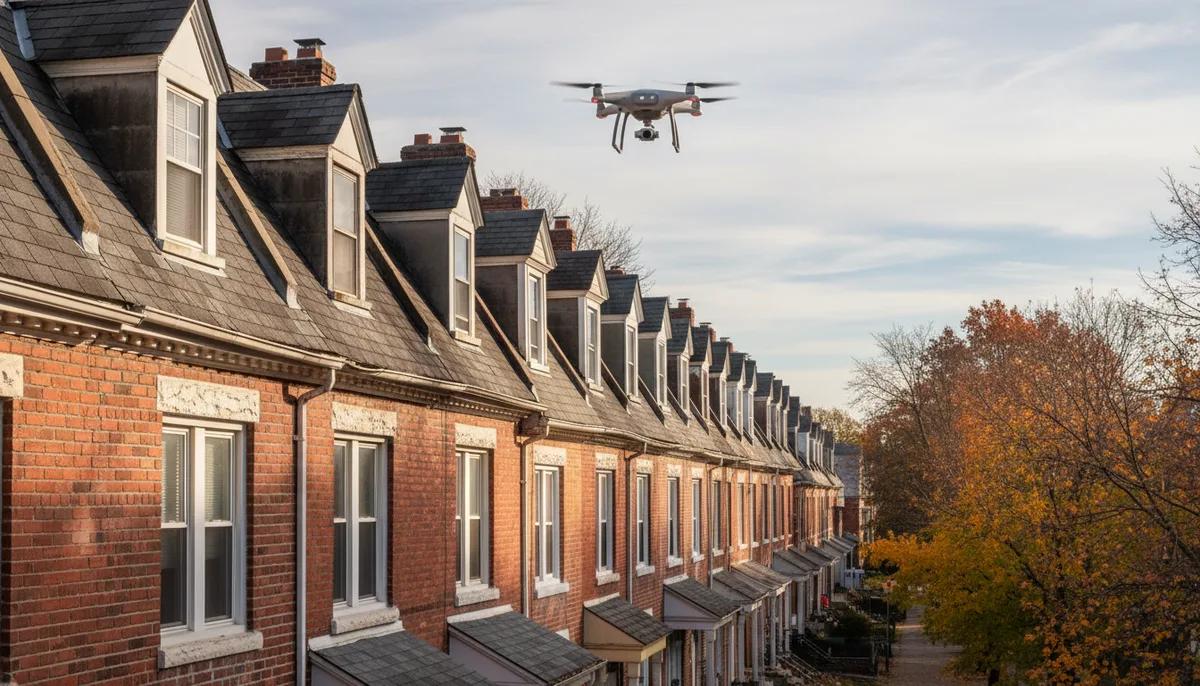
For Philadelphia homeowners, this technology is particularly valuable because so many of the city's housing stock is tightly packed. Row homes in neighborhoods like Passyunk Square, Kensington, and Brewerytown sit shoulder to shoulder, making traditional ladder-based inspections difficult and sometimes impossible without accessing a neighbor's property. Drones can hover above a roofline and capture imagery that would otherwise require scaffolding or a cherry picker.

Most professional drone inspections follow a standard workflow. First, the operator conducts a pre-flight safety check and reviews any local airspace restrictions. Then the drone performs a systematic grid pattern over the roof, capturing overlapping images from directly above and at multiple angles. After the flight, the imagery is processed—sometimes using AI-assisted analysis tools—to flag potential problem areas like cracked flashing, pooling water, missing shingles, or membrane bubbling on flat roofs.

Thermal drone inspections add another layer of insight. By detecting temperature differentials, thermal cameras can identify moisture trapped beneath roofing membranes or insulation failures that are invisible to the naked eye. This is especially useful for the EPDM and TPO flat roofs common on Philadelphia row homes and commercial buildings in neighborhoods like Northern Liberties and Old City.

The final deliverable is typically a detailed PDF or digital report with annotated photos, a condition summary, and recommended repairs. This documentation is also useful when filing insurance claims or getting competitive quotes from multiple roofing contractors.
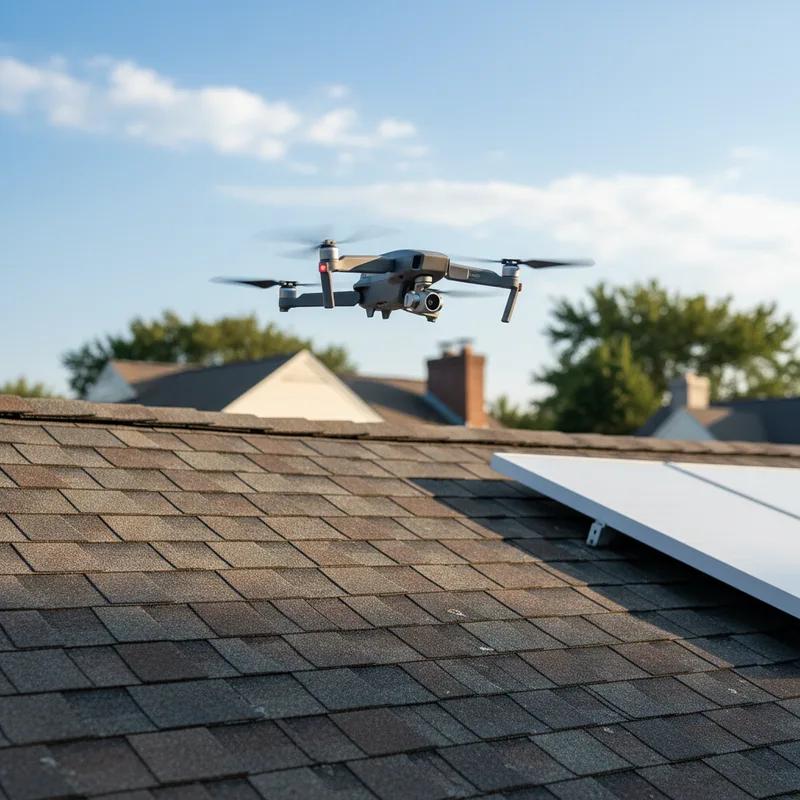
A professional drone operator piloting a UAV over a Philadelphia row home rooftop on a clear day, with the drone hovering above a flat rubber roof
What Is a Drone Roof Inspection and How Does It Work?

2

Philadelphia Airspace Rules and Drone Regulations You Need to Know

Before a drone takes flight over your Philly rooftop, there are federal, state, and local regulations that both homeowners and contractors must understand. The Federal Aviation Administration (FAA) governs all commercial drone operations in the United States under Part 107 rules. Any roofing contractor or inspection company charging for drone services must employ a FAA Part 107 certified Remote Pilot. Always ask for proof of certification before hiring.

Philadelphia sits within the airspace influence of Philadelphia International Airport (PHL) to the south and Northeast Philadelphia Airport (PNE) to the northeast. Much of the city falls within controlled airspace that requires operators to obtain authorization through the FAA's Low Altitude Authorization and Notification Capability (LAANC) system before flying. Reputable drone inspection companies handle this automatically, but it's worth confirming they do.

The city itself does not currently impose a separate municipal drone permit for private property inspections, but operators must comply with Pennsylvania's privacy statutes and cannot fly over certain public facilities or restricted zones. Philadelphia's dense urban core—particularly around City Hall, the stadiums complex in South Philly, and areas near 30th Street Station—may have additional restrictions or require extra coordination.

From a practical standpoint, wind is a significant factor in Philadelphia. The city's position in the Delaware Valley corridor means gusty days are common, particularly in late winter and early spring. Most professional operators follow manufacturer guidelines and avoid flying in sustained winds above 20–25 mph, which can affect scheduling. Spring storm season, typically March through May, often requires flexible booking windows.

For homeowners, the key takeaway is simple: hire a licensed, insured drone operator who is FAA Part 107 certified and familiar with Philadelphia's airspace. Ask whether they use LAANC authorization and verify they carry liability insurance. This protects you if anything goes wrong during the inspection.

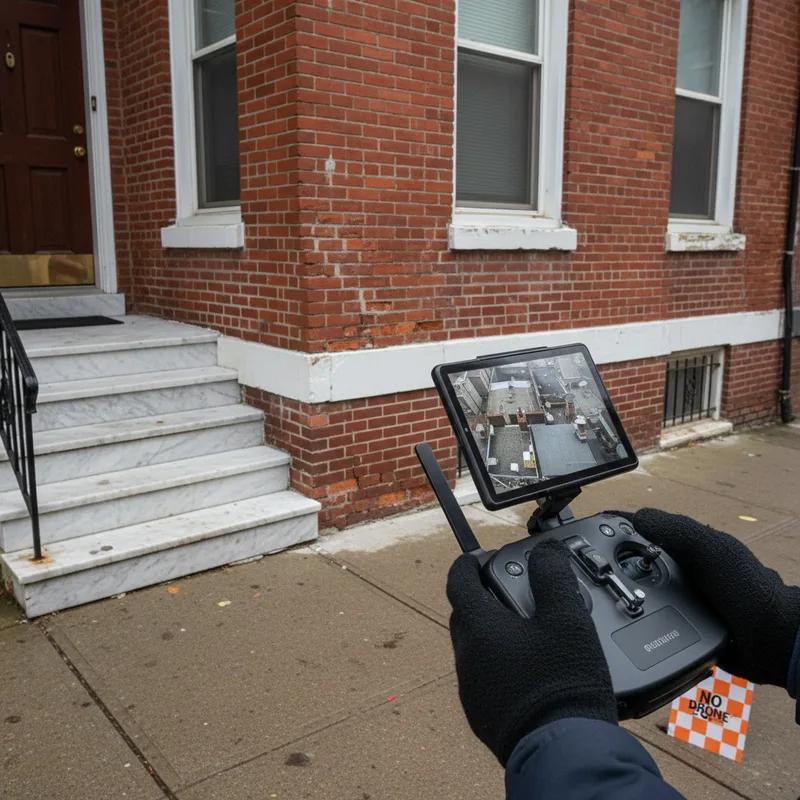
A FAA Part 107 certified drone operator reviewing airspace authorization on a tablet before launching a drone inspection over a Philadelphia neighborhood rooftop
Philadelphia Airspace Rules and Drone Regulations You Need to Know

3

How Much Does a Drone Roof Inspection Cost in Philadelphia in 2026?

Drone roof inspections in Philadelphia generally range from $150 to $450 for a standard visual inspection of a residential property, depending on the size of the home, roof complexity, and the scope of the report. Thermal imaging inspections—which use infrared cameras to detect moisture and insulation issues—typically cost between $300 and $700 for a residential property. Commercial flat roofs, which are common in neighborhoods like Fishtown, Port Richmond, and along the Frankford Avenue corridor, can run $500 to $1,500 or more depending on square footage.

For comparison, a traditional in-person roof inspection by a licensed roofing contractor in Philadelphia typically costs between $100 and $350. The price premium for drone inspections is often justified by the superior documentation, the safety benefits, and the ability to access areas that are difficult or dangerous to reach manually.

Some Philadelphia roofing contractors now include a basic drone inspection as part of their free estimate process, particularly for larger jobs or complex flat roof systems. Others offer it as a standalone paid service. If you're comparing quotes, ask each contractor whether their estimate includes drone documentation—it's becoming a standard differentiator among competitive local roofers.

Insurance-related inspections add another pricing dimension. If you're filing a storm damage claim after a nor'easter or a severe summer thunderstorm, some insurers will accept drone inspection reports as supporting documentation. A few Philadelphia-area adjusters now request drone imagery proactively, which can actually speed up the claims process. In these cases, the cost of a drone inspection may be recoverable as part of your claim.

When budgeting, also factor in report turnaround time. Basic visual reports are often delivered within 24–48 hours. Thermal analysis reports with full moisture mapping may take three to five business days. For urgent leak situations, confirm the contractor's timeline upfront.


4

When Drone Inspections Make the Most Sense for Philadelphia Row Homes and Flat Roofs

Philadelphia's housing stock presents unique inspection challenges that make drones especially practical. The city has roughly 400,000 residential properties, and the majority are row homes—attached structures that share party walls and have limited side-yard access. In dense neighborhoods like South Philadelphia, West Philly, and Germantown, a roofer physically accessing the roof often means walking through the interior of the home or negotiating access with neighbors. Drones eliminate this friction entirely.

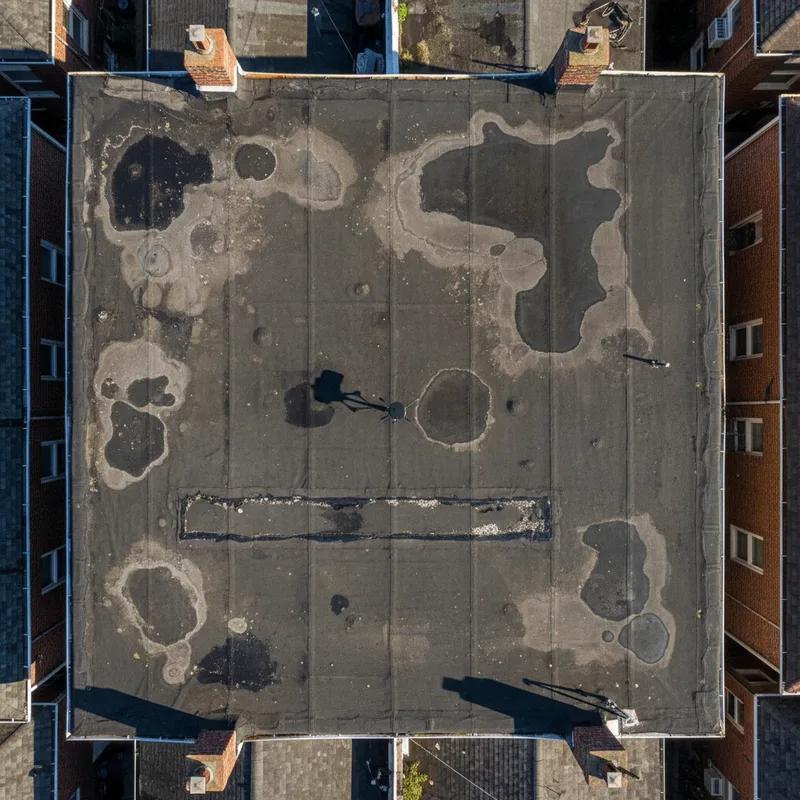
Flat roofs are another area where drones shine. An estimated 60–70% of Philadelphia's residential row homes have flat or low-slope roofs covered with EPDM rubber, TPO membrane, or modified bitumen. These surfaces are prone to ponding water, membrane blistering, and seam failures—problems that are often subtle and hard to spot from ground level but clearly visible in overhead drone imagery. A drone can cover an entire flat roof surface in minutes and flag every area of concern with GPS-tagged photos.

Post-storm inspections are one of the most practical drone use cases in Philadelphia. After a significant nor'easter, hailstorm, or the kind of heavy summer convective storms that roll through the Delaware Valley, getting a contractor on your roof quickly can be difficult due to high demand. A drone inspection can be completed faster, requires less scheduling coordination, and gives you documented evidence of damage before repairs begin—critical for insurance purposes.

Drones also make sense before buying a home. Philadelphia's older housing stock, much of which was built between the 1880s and 1950s, often has aging roof systems that aren't visible from the street. Commissioning a drone inspection as part of your pre-purchase due diligence—especially in neighborhoods like Brewerytown, Strawberry Mansion, or Frankford where older stock is common—can reveal costly surprises before closing.

Finally, for historic properties in districts overseen by the Philadelphia Historical Commission, drone inspections allow contractors and preservation specialists to assess original roofing materials like slate, clay tile, or standing-seam metal without physically disturbing them.

An aerial drone photograph looking straight down at a Philadelphia row home flat roof showing areas of ponding water and membrane discoloration in a dense urban neighborhood
When Drone Inspections Make the Most Sense for Philadelphia Row Homes and Flat Roofs

5

How to Choose a Qualified Drone Roof Inspector in Philadelphia

Not every contractor who owns a drone is qualified to conduct a professional roof inspection, and not every roof inspector knows how to operate a drone safely. The best drone roof inspections in Philadelphia combine both skill sets—either through a single certified professional or a team pairing a FAA Part 107 drone operator with a licensed roofing inspector.

Start by verifying credentials. Ask for the operator's FAA Part 107 Remote Pilot Certificate number, which you can verify on the FAA's DroneZone registry. Also confirm that the company or individual carries both general liability insurance and, ideally, drone-specific hull and liability coverage. In Pennsylvania, roofing contractors are not required to hold a state license, but Philadelphia's Department of Licenses and Inspections (L&I) does require contractors performing work in the city to be registered. A reputable drone inspection company should be able to show you their L&I registration.

Ask about the equipment they use. Consumer-grade drones are fine for basic photography, but professional inspections should use commercial-grade UAVs with high-resolution cameras (at minimum 20 megapixels), GPS stabilization, and obstacle avoidance. For thermal inspections, look for operators using calibrated radiometric thermal cameras, not just basic heat-sensing attachments.

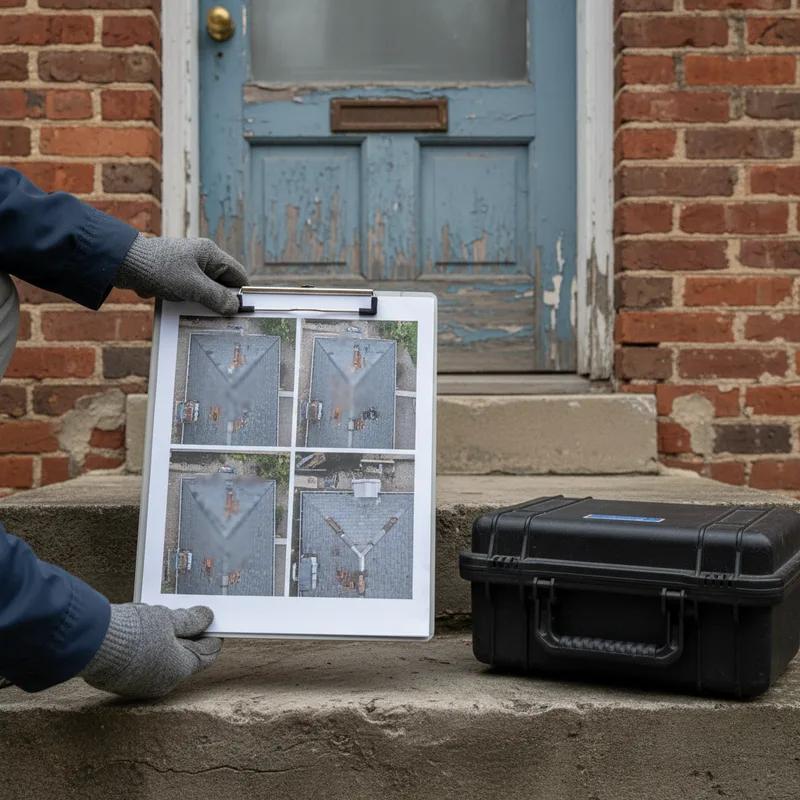
Review sample reports before committing. A quality drone inspection report should include annotated aerial photos with GPS coordinates, a written condition assessment organized by roof zone, severity ratings for identified issues, and recommended next steps. Vague reports with unlabeled photos are a red flag.

Check reviews on Google, the Better Business Bureau, and Philly-specific platforms like Nextdoor or local Facebook neighborhood groups. Word-of-mouth referrals from neighbors in your specific neighborhood are particularly valuable, since local contractors understand the particular challenges of your area's housing type and roof style.

Finally, be cautious of unusually low prices. A $49 drone inspection advertised on a flyer left on your door after a storm is a classic warning sign of a roofing scam. Legitimate inspections require real equipment, real credentials, and real time to analyze and report findings.

A Philadelphia homeowner reviewing a detailed drone roof inspection report on a laptop with annotated aerial photos of their row home roof, sitting at a kitchen table
How to Choose a Qualified Drone Roof Inspector in Philadelphia

6

Combining Drone Data With Traditional Roof Inspections for the Best Results

Drone inspections are a powerful tool, but they work best as one component of a comprehensive roof assessment strategy—not a complete replacement for hands-on evaluation. Understanding how to combine aerial data with traditional inspection methods will help Philadelphia homeowners get the most accurate picture of their roof's condition.

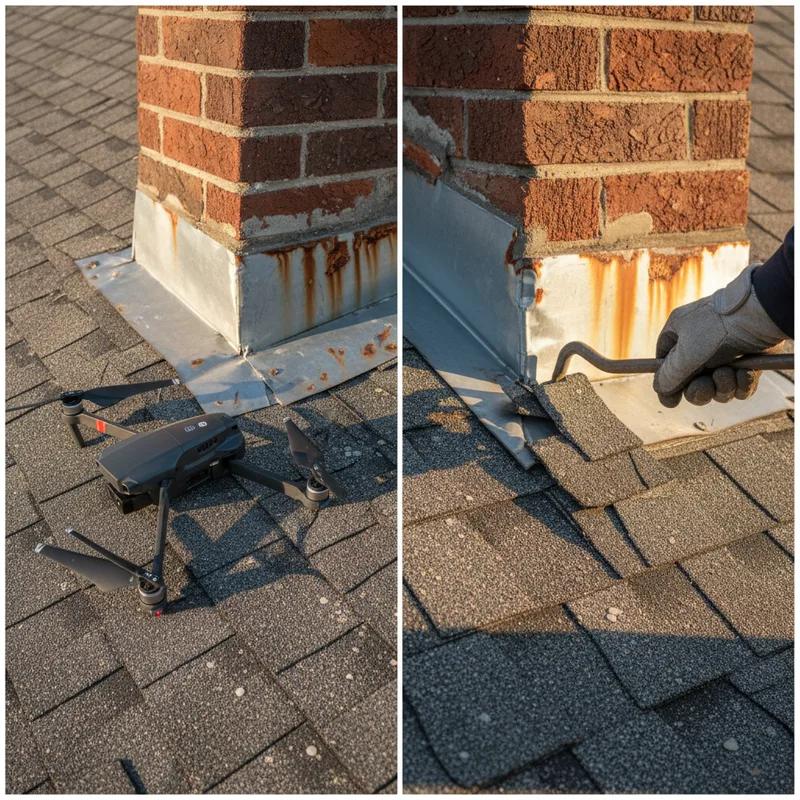
A drone captures excellent surface-level imagery, but it cannot assess the structural integrity of roof decking, check the condition of attic insulation from below, or physically test the adhesion of flashing around chimneys and HVAC penetrations—all of which are common problem areas on Philadelphia homes. After a drone inspection identifies areas of concern, a qualified roofer should physically examine those specific spots to confirm findings and assess depth of damage.

For Philadelphia's older homes, this layered approach is especially important. A row home in Germantown or West Oak Lane might have multiple layers of roofing material built up over decades. Drone imagery can flag surface anomalies, but determining whether a repair or full replacement is warranted often requires a contractor to probe the deck and substrate directly.

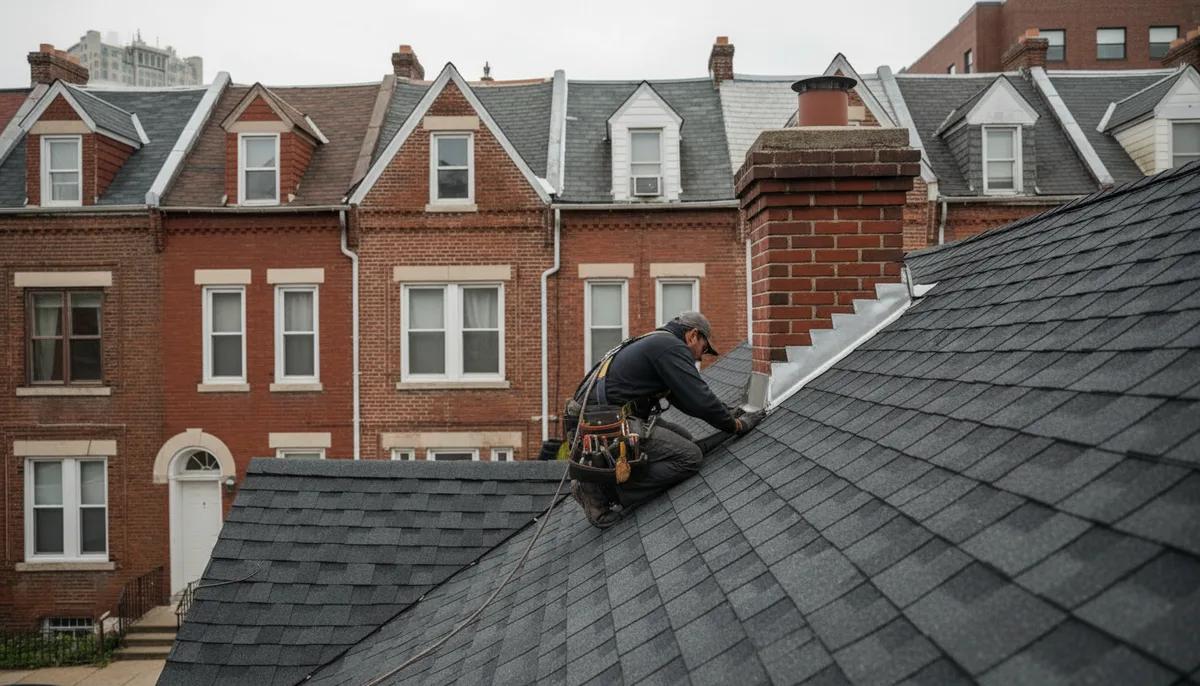
When working with your roofing contractor, ask them to cross-reference drone findings with their physical inspection notes. A good contractor will use the drone report as a roadmap—starting their hands-on inspection at the flagged locations and working outward. This saves time and ensures nothing gets missed.

For ongoing maintenance, consider scheduling annual drone inspections each spring after Philadelphia's harsh winter season. The city's freeze-thaw cycles, which can produce dozens of temperature swings between freezing and above-freezing each winter, accelerate deterioration of roofing membranes, caulking, and flashing. Catching small issues in April is far less expensive than discovering a major leak in July.

Building a digital archive of annual drone inspection reports also creates a documented maintenance history that can be valuable when selling your home, filing insurance claims, or negotiating with contractors about the scope and cost of repairs.

A roofing contractor in a Philadelphia neighborhood physically inspecting flashing around a chimney on a row home roof while referencing annotated drone imagery on a tablet
Combining Drone Data With Traditional Roof Inspections for the Best Results

Frequently Asked Questions

Do I need a permit for a drone roof inspection in Philadelphia?

Homeowners do not need a separate city permit to have a drone inspection performed on their private property, but the drone operator must comply with FAA regulations, including Part 107 certification and LAANC airspace authorization if flying in controlled airspace near Philadelphia International Airport or Northeast Philadelphia Airport. Always hire a licensed, FAA-certified operator to ensure compliance.

Can a drone inspection replace a traditional roof inspection in Philadelphia?

Drone inspections are excellent for surface-level assessment, post-storm documentation, and inspecting hard-to-access row home rooftops, but they cannot fully replace a hands-on inspection. A qualified roofer still needs to physically examine the roof deck, flashing, and underlayment to assess structural integrity and determine whether repair or replacement is needed.

Will my Philadelphia homeowner's insurance accept a drone inspection report?

Many Pennsylvania insurers now accept drone inspection reports as supporting documentation for storm damage claims, and some adjusters proactively request aerial imagery. Check with your specific insurer before filing, and make sure the report is prepared by a certified professional with GPS-tagged, annotated photos that clearly document the damage.

How long does a drone roof inspection take in Philadelphia?

The actual drone flight over a typical Philadelphia row home takes 15 to 30 minutes. Report preparation—including photo annotation and written analysis—typically takes 24 to 48 hours for a standard visual inspection, or up to five business days for a full thermal moisture mapping report.

Are drone inspections useful for Philadelphia flat roofs specifically?

Yes—flat and low-slope roofs are one of the best use cases for drone inspections in Philadelphia. Drones capture overhead imagery that clearly reveals ponding water, membrane blistering, seam failures, and debris accumulation that are difficult to spot from the ground. Thermal drone inspections can also detect trapped moisture beneath EPDM or TPO membranes before it causes serious structural damage.

James Callahan
Founder & Editor, Philly Roof Find

James founded Philly Roof Find to give Philadelphia homeowners a transparent, independent resource for evaluating roofing contractors. With a background in building trades and a focus on local construction practices, he writes practical guides grounded in Philadelphia-specific building codes, materials, and contractor standards.