Chimney Flashing Repair Guide for Philadelphia Homeowners

Learn why chimney flashing fails in Philadelphia, when to repair vs. replace it, and how to protect your row home from costly water damage.

Chimney Flashing Repair Guide for Philadelphia Homeowners - Philadelphia roofing guide

Chimney flashing is one of the most common sources of roof leaks in Philadelphia homes, especially in older row houses and twin homes with aging masonry chimneys.

James Callahan
Published April 12, 2026·Updated April 12, 2026
1

What Is Chimney Flashing and Why Does It Matter for Philadelphia Homes?

Chimney flashing is the system of metal sheets—typically galvanized steel, aluminum, or copper—installed at the junction where your chimney meets your roof. Its sole job is to create a watertight seal that prevents rainwater, snowmelt, and ice from infiltrating the vulnerable gap between masonry and roofing material. In a city like Philadelphia, where roughly 60% of the housing stock predates 1960, this detail is critical.

Philadelphia's built environment is dominated by attached row homes, twin houses, and semi-detached properties—many of which were constructed with brick chimneys serving coal or wood-burning fireplaces. These chimneys are often tall, wide, and fully exposed to the elements on at least two sides. That exposure, combined with the city's variable climate, makes proper flashing essential rather than optional.

A complete chimney flashing system consists of several components working together. Base flashing (also called apron flashing) wraps around the lower portion of the chimney where it meets the roof deck. Step flashing runs up the sides of the chimney in overlapping L-shaped pieces, integrated with the shingle courses. Counter flashing—sometimes called cap flashing—is embedded directly into the mortar joints of the chimney and laps over the step flashing to shed water away from the seam. Saddle flashing, or a cricket, is installed behind wide chimneys to redirect water around the back.

When any one of these components fails, water finds a path into your home. In Philadelphia's older neighborhoods like Germantown, Fishtown, and West Philly, it's common to find chimneys where the original flashing has never been replaced—meaning some systems are 50, 70, or even 100 years old. Even the best-installed flashing has a finite lifespan, which is why understanding the warning signs of failure is so important for local homeowners.
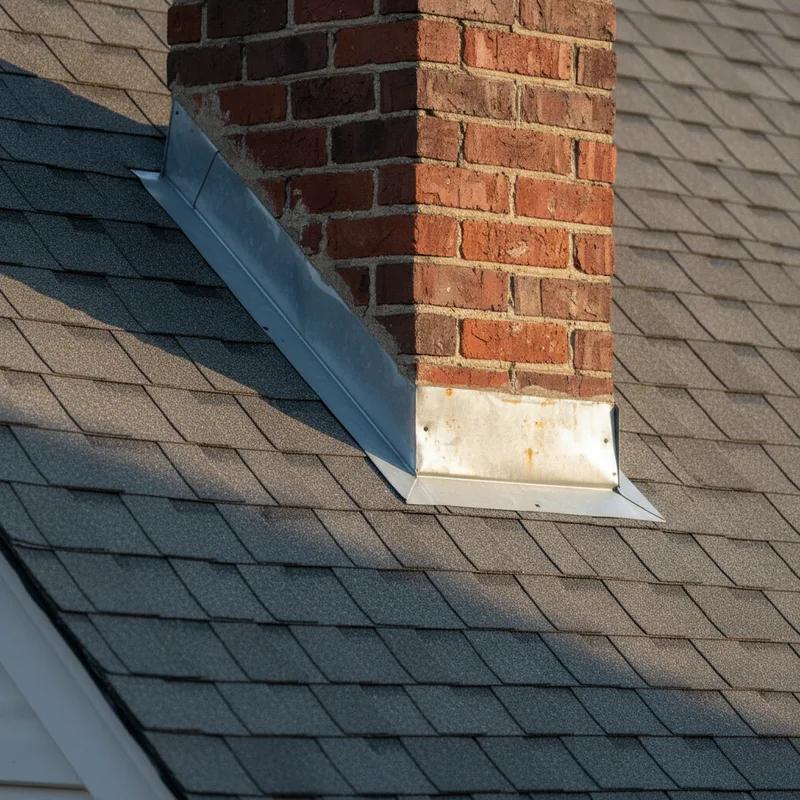
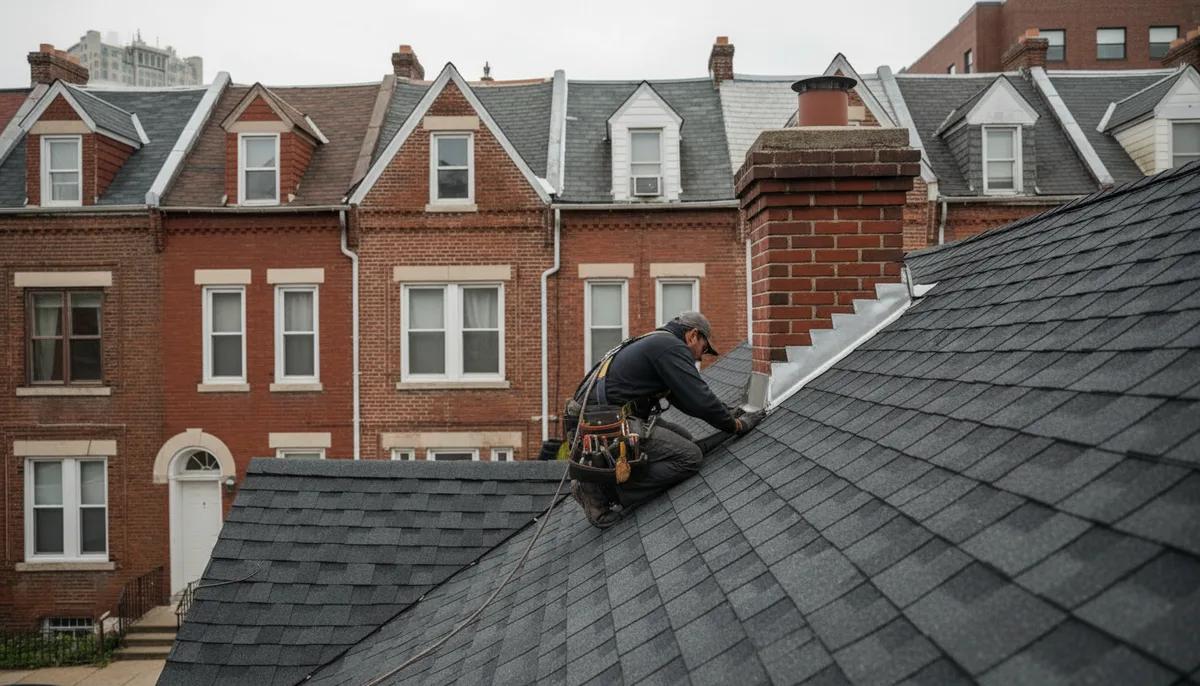
Close-up of a brick chimney with copper step flashing and counter flashing on a Philadelphia row home roof, showing the layered metal system at the chimney-to-roof junction
What Is Chimney Flashing and Why Does It Matter for Philadelphia Homes?

2

Why Chimney Flashing Fails: Philadelphia's Unique Challenges

Philadelphia's climate is genuinely punishing for chimney flashing. The city experiences hot, humid summers with temperatures regularly topping 90°F, cold winters with hard freezes, and a freeze-thaw cycle that can repeat dozens of times between November and March. This thermal expansion and contraction causes metal flashing to flex repeatedly, eventually loosening fasteners, cracking sealants, and separating seams.

The freeze-thaw cycle is particularly destructive to the mortar joints where counter flashing is embedded. Water seeps into tiny cracks in aging mortar, freezes, expands, and forces the crack wider—a process called spalling. Over several winters, this can completely dislodge counter flashing from the chimney face, leaving an open gap that channels water directly into the roof assembly and attic space below.

Beyond weather, there are several other common failure modes Philadelphia homeowners should know about:

Improper installation: Many older Philadelphia homes have flashing that was installed with roofing tar or caulk alone rather than properly integrated step flashing. This is a shortcut that fails within five to ten years as the sealant dries, cracks, and shrinks.

Galvanic corrosion: When dissimilar metals contact each other—such as aluminum flashing touching copper gutters—an electrochemical reaction accelerates corrosion. This is common in homes where multiple generations of repairs used different materials.

Structural movement: Philadelphia's older row homes can experience subtle foundation settling, which translates into movement at the roof line and chimney base. Even minor shifts can open gaps in flashing joints.

Vegetation and debris: Moss, algae, and accumulated leaf debris hold moisture against flashing, accelerating corrosion and sealant breakdown. This is especially common on north-facing roofs in leafy neighborhoods like Chestnut Hill, Mt. Airy, and East Falls.

Neglected maintenance: Flashing sealants need periodic inspection and reapplication. Homeowners who skip annual roof inspections often don't discover flashing problems until water damage is already visible inside the home.

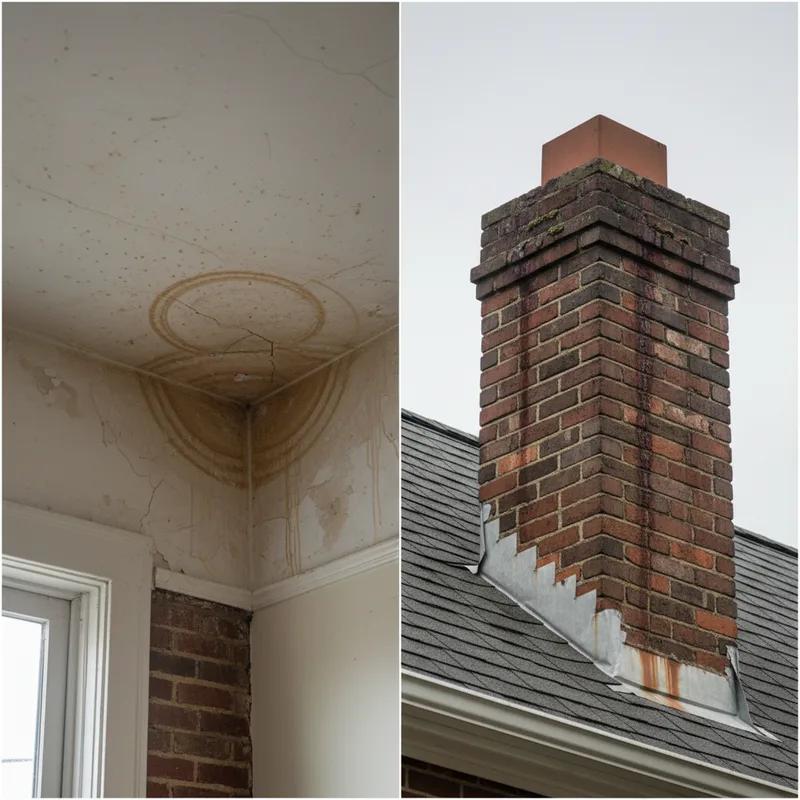
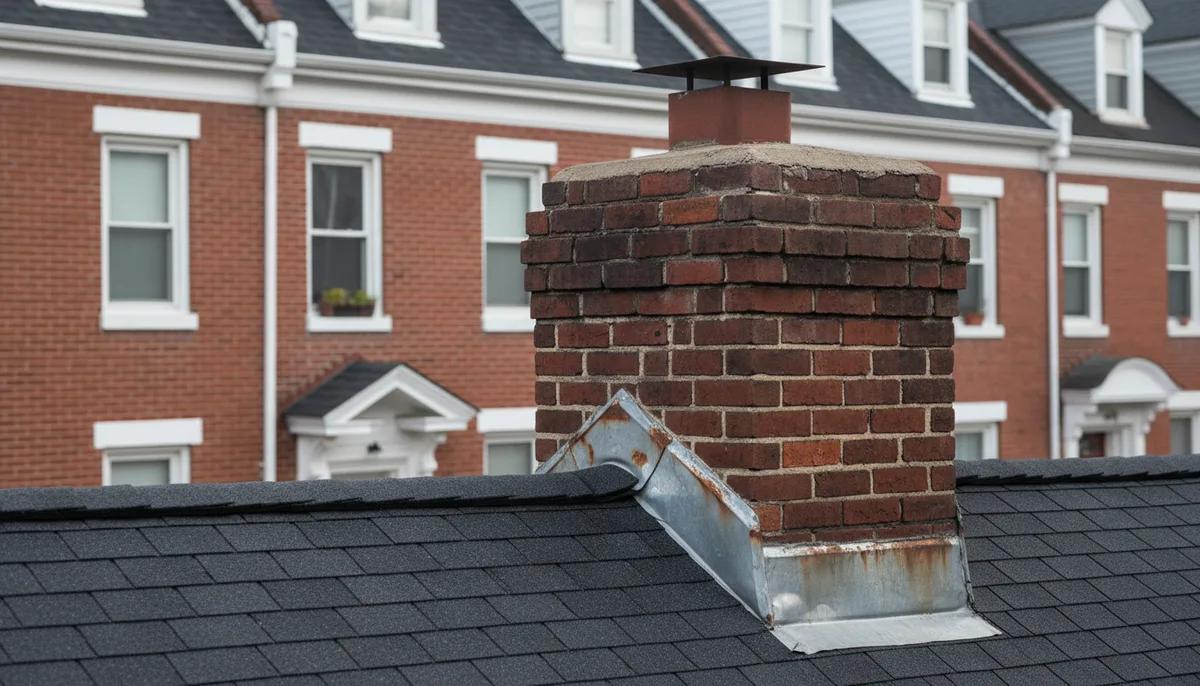
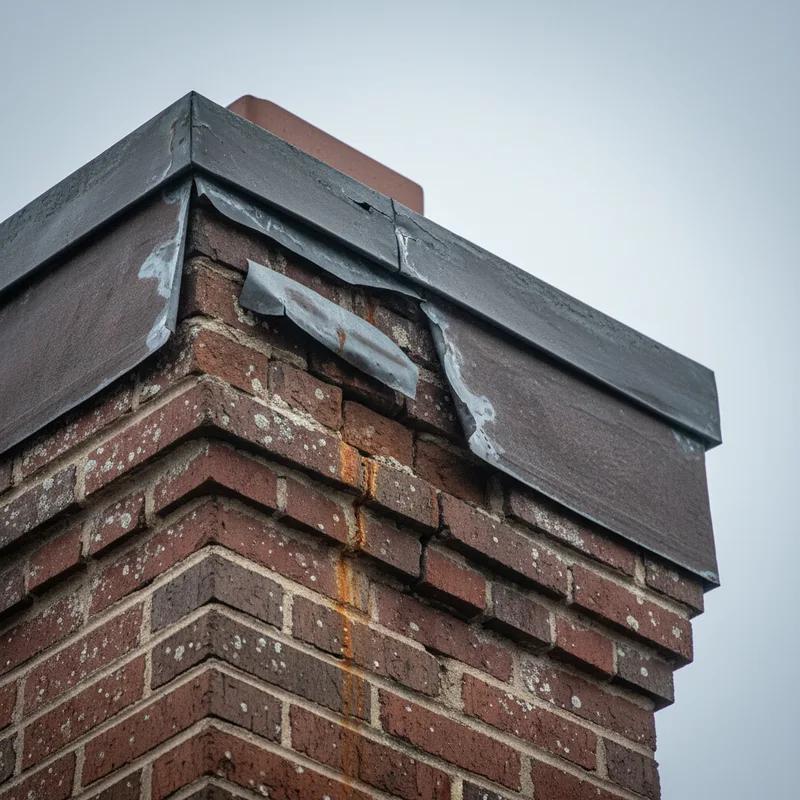
Deteriorated chimney flashing on a Philadelphia brick row home showing cracked caulk, rust staining, and separated counter flashing pulled away from mortar joints
Why Chimney Flashing Fails: Philadelphia's Unique Challenges

3

Warning Signs Your Chimney Flashing Needs Attention Right Now

Catching chimney flashing problems early is the difference between a few hundred dollars in repairs and several thousand dollars in water damage remediation. Philadelphia homeowners should be vigilant about the following warning signs, especially after winter and following heavy spring storms.

Interior warning signs are often the first clue. Water stains on the ceiling near your fireplace or on the wall directly below the chimney are a red flag. You may also notice peeling paint or wallpaper, efflorescence (white mineral deposits) on interior masonry, or a musty smell in rooms adjacent to the chimney. In severe cases, you might see active dripping during or after rainfall.

Attic inspection is one of the most reliable ways to catch flashing leaks before they reach living spaces. Use a flashlight to look for water staining on the roof decking or rafters around the chimney penetration. Daylight visible around the chimney base is a definitive sign of a gap in the flashing system.

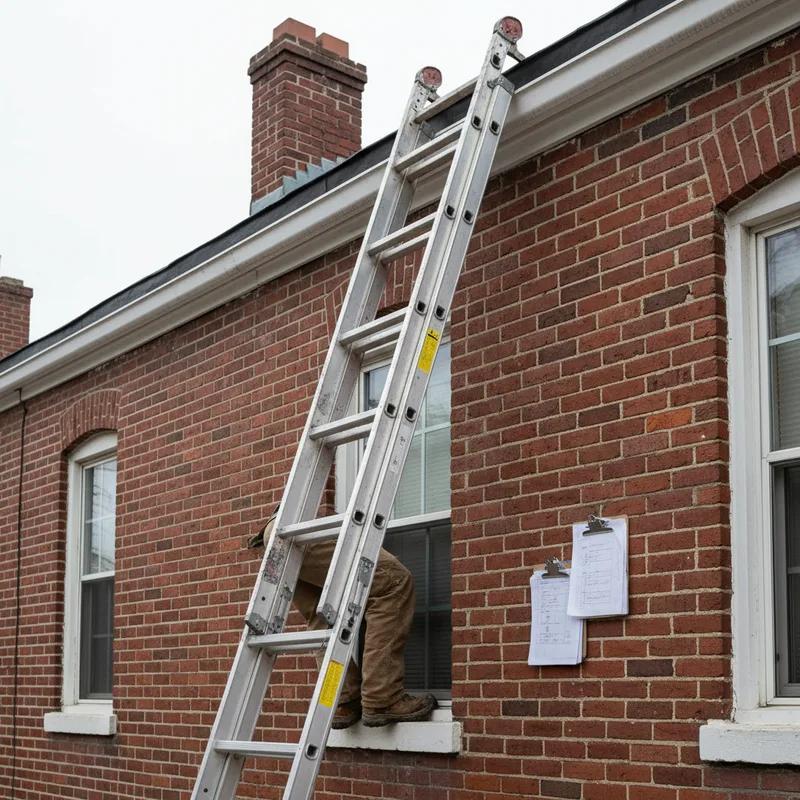
Exterior warning signs visible from the ground or a ladder include visible rust streaks running down from the flashing, flashing that is visibly lifted, bent, or separated from the chimney face, missing sections of flashing, and deteriorated or absent caulk at the counter flashing seam. Crumbling mortar joints on the chimney itself often indicate that counter flashing has also been compromised.

Philadelphia homeowners should schedule a professional roof inspection at least once a year—ideally in spring after winter weather has done its worst, or in fall before the next heating season begins. The Philadelphia Department of Licenses & Inspections (L&I) recommends that homeowners maintain their properties proactively to avoid code violations related to water intrusion and structural deterioration.

If you're buying a home in Philadelphia, always request a dedicated roof and chimney inspection as part of your due diligence. Neighborhoods like Roxborough, Manayunk, and South Philadelphia have particularly high concentrations of older chimneys that may not have been inspected in decades.

Philadelphia homeowner using a flashlight to inspect attic rafters near a chimney penetration, showing water staining and dark discoloration on wooden roof decking
Warning Signs Your Chimney Flashing Needs Attention Right Now

4

Repair vs. Replace: Making the Right Decision for Your Chimney Flashing

One of the most common questions Philadelphia roofers field is whether existing chimney flashing can be repaired or needs to be fully replaced. The honest answer depends on the age of the flashing, the extent of damage, the materials involved, and whether a roofing project is already underway.

When repair makes sense: If your flashing is relatively recent (installed within the last 10 to 15 years), made of quality materials like copper or galvanized steel, and the damage is limited to failed sealant or a single lifted section, targeted repair is often appropriate and cost-effective. A qualified roofer can re-embed counter flashing into repointed mortar joints, apply fresh flashing sealant, and resecure lifted sections without replacing the entire system. Repairs of this nature typically run between $300 and $800 in the Philadelphia market, depending on chimney size and accessibility.

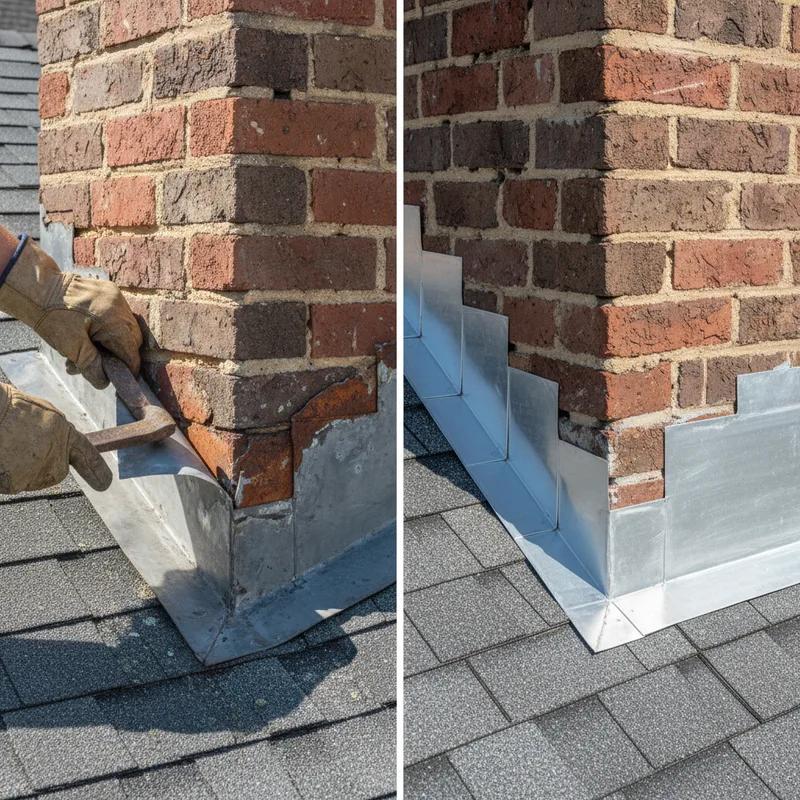
When replacement is the right call: If your flashing is original to a pre-1980 home, made of thin aluminum or tar-based material, heavily corroded, or if you're already having your roof replaced, full flashing replacement is almost always the smarter investment. Installing new shingles around old flashing is a common mistake that leads to leaks within just a few years. Reputable Philadelphia roofers will insist on replacing the flashing as part of a full reroof. Full chimney flashing replacement typically costs between $800 and $2,500 in Philadelphia, with copper flashing commanding a premium over galvanized steel.

The roofing project decision point: If a contractor is replacing your roof and proposes to reuse existing flashing to save money, that's a warning sign. The labor to install new shingles is already mobilized—the incremental cost of new flashing is minimal compared to the risk of a premature leak.

Always ask your contractor to show you the old flashing after removal so you can see its condition firsthand. Philadelphia homeowners working with contractors registered with the city should verify licensing through the Philadelphia Department of Licenses & Inspections portal before signing any contract.

Side-by-side comparison showing old corroded aluminum chimney flashing being removed and new copper step flashing being installed on a Philadelphia roofing project
Repair vs. Replace: Making the Right Decision for Your Chimney Flashing

5

What to Expect During a Professional Chimney Flashing Repair in Philadelphia

Understanding the repair process helps Philadelphia homeowners evaluate contractor proposals and avoid being overcharged or underserved. A professional chimney flashing repair or replacement involves several distinct steps, and a quality contractor will walk you through each one.

Initial inspection and assessment: A reputable contractor will inspect both the exterior flashing and the interior attic space to confirm the source of any leaks. Be wary of contractors who quote a price without getting on the roof or looking in the attic—chimney leaks can sometimes originate from cracked chimney caps, deteriorated mortar crowns, or damaged brick rather than flashing alone.

Mortar joint preparation: For counter flashing replacement, the existing mortar must be carefully chiseled out to a depth of about one inch to create a clean channel for the new flashing. The new counter flashing is then bent, inserted, and secured with masonry anchors before the joint is tuck-pointed with fresh mortar matched to the existing chimney. This masonry work is a critical step that separates quality installations from quick fixes.

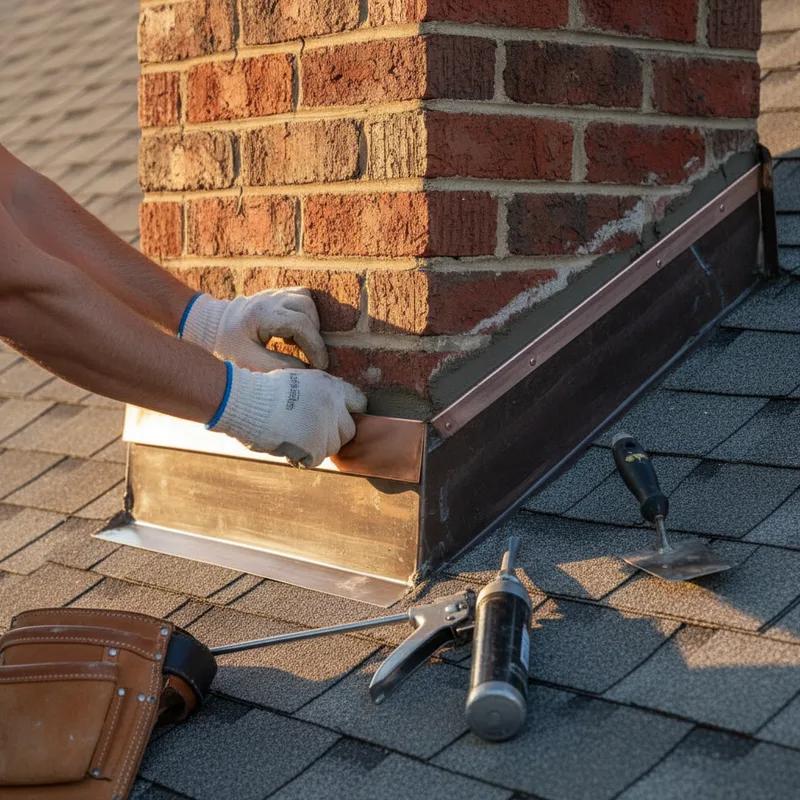
Step flashing installation: On the sides of the chimney, each L-shaped piece of step flashing is woven between shingle courses, with one leg running up the chimney face and the other lying flat on the roof deck. This integration with the shingles requires careful sequencing and cannot be properly done without removing some existing shingles.

Sealant application: High-quality roofing sealant is applied at the overlap between counter flashing and step flashing, and at any penetrations. Quality contractors use products rated for roofing applications rather than standard silicone caulk.

Permits and code compliance: Philadelphia's building code requires permits for certain roofing and masonry repairs. For straightforward flashing repairs, a permit may not be required, but for work that involves structural chimney repairs or a full roof replacement, you should confirm permit requirements with the Philadelphia Department of Licenses & Inspections. Working with permitted, licensed contractors protects you legally and ensures the work meets current code standards.

Licensed Philadelphia roofer carefully installing new copper step flashing between brick chimney and asphalt shingles, with mortar joints freshly tuck-pointed on a residential roof
What to Expect During a Professional Chimney Flashing Repair in Philadelphia

6

Finding a Qualified Chimney Flashing Contractor in Philadelphia

Not every roofer has deep experience with chimney flashing, and not every masonry contractor understands roofing systems. The best chimney flashing work is done by contractors who are comfortable at the intersection of both trades. Here's how Philadelphia homeowners can find and vet the right professional.

Verify licensing: All roofing contractors operating in Philadelphia must be registered with the city. You can verify a contractor's license status through the Philadelphia Department of Licenses & Inspections online portal. Never hire an unlicensed contractor for chimney or roof work—you have no recourse if the work fails and you may face liability issues.

Check insurance: Require proof of general liability insurance and workers' compensation coverage before any work begins. Roofing is a high-risk trade, and an uninsured worker injured on your property can expose you to significant financial liability.

Get multiple estimates: For chimney flashing work, obtain at least two to three written estimates from different contractors. Estimates should specify the flashing material (copper, galvanized steel, or aluminum), the scope of masonry work, whether shingles will be replaced or reinstalled, and the warranty terms. Be cautious of estimates that are dramatically lower than others—they often reflect skipped steps or inferior materials.

Ask about experience with older Philadelphia homes: Row homes, twins, and older detached homes in neighborhoods like Passyunk Square, Brewerytown, Bella Vista, and Olney often have unusual chimney configurations, aging brick, and non-standard flashing situations. Ask contractors specifically about their experience with pre-war Philadelphia housing stock.

Use Philly Roof Find: Our directory connects Philadelphia homeowners with vetted, licensed local roofing contractors who have demonstrated experience with the city's unique housing challenges. Reading verified reviews from neighbors in your own ZIP code is one of the best ways to find a trustworthy contractor.

A quality chimney flashing repair, done right by a licensed Philadelphia contractor, should carry a minimum five-year workmanship warranty. Copper flashing, when properly installed, can last 50 years or more—making it a worthwhile investment for homeowners planning to stay in their homes long-term.

Philadelphia homeowner reviewing a written roofing estimate with a licensed contractor standing on the front steps of a brick row home in a residential neighborhood
Finding a Qualified Chimney Flashing Contractor in Philadelphia

Frequently Asked Questions

How much does chimney flashing repair cost in Philadelphia?

In Philadelphia, targeted chimney flashing repairs—such as resealing lifted counter flashing or replacing a single damaged section—typically cost between $300 and $800. Full chimney flashing replacement, which involves new step flashing, counter flashing, and mortar work, generally runs between $800 and $2,500 depending on chimney size, material choice, and roof accessibility. Copper flashing costs more upfront but lasts significantly longer than aluminum or galvanized steel.

Can I repair chimney flashing myself as a Philadelphia homeowner?

Minor sealant touch-ups on accessible, low-slope sections may be manageable for a confident DIYer, but full chimney flashing repair or replacement involves masonry work, shingle integration, and working at height—all of which carry significant risk if done incorrectly. Improper flashing installation is one of the leading causes of recurring roof leaks. For most Philadelphia homeowners, hiring a licensed roofing contractor is the safer and more cost-effective long-term choice.

How do I know if my chimney leak is from the flashing or the chimney itself?

A professional inspection is the most reliable way to pinpoint the source. However, if water staining appears directly adjacent to the chimney on the ceiling or attic decking during rain, flashing is the most likely culprit. If you notice water inside the firebox or on the chimney breast even during dry weather, a cracked chimney crown, damaged cap, or deteriorated mortar may be the issue. Many chimneys have multiple problems simultaneously, so a thorough inspection of both the flashing and masonry is recommended.

Does chimney flashing repair require a permit in Philadelphia?

Simple flashing repairs and sealant work generally do not require a permit in Philadelphia. However, if the repair involves significant masonry work, structural chimney modifications, or is part of a full roof replacement, a permit may be required under Philadelphia's building code. Always confirm current permit requirements with the Philadelphia Department of Licenses & Inspections before work begins, and ensure your contractor pulls any required permits—never let a contractor ask you to pull permits on their behalf.

How long does chimney flashing last in Philadelphia's climate?

The lifespan of chimney flashing depends heavily on the material used. Aluminum flashing typically lasts 20 to 30 years, galvanized steel around 20 to 40 years, and copper can last 50 to 70 years or more with proper installation. Philadelphia's freeze-thaw cycles, humid summers, and acid rain can accelerate deterioration, particularly for older aluminum and tar-based systems. Annual inspections help extend flashing life by catching sealant failures and minor issues before they become major leaks.

James Callahan
Founder & Editor, Philly Roof Find

James founded Philly Roof Find to give Philadelphia homeowners a transparent, independent resource for evaluating roofing contractors. With a background in building trades and a focus on local construction practices, he writes practical guides grounded in Philadelphia-specific building codes, materials, and contractor standards.