Why Philadelphia Homeowners Are Adding Skylights — And What to Consider First
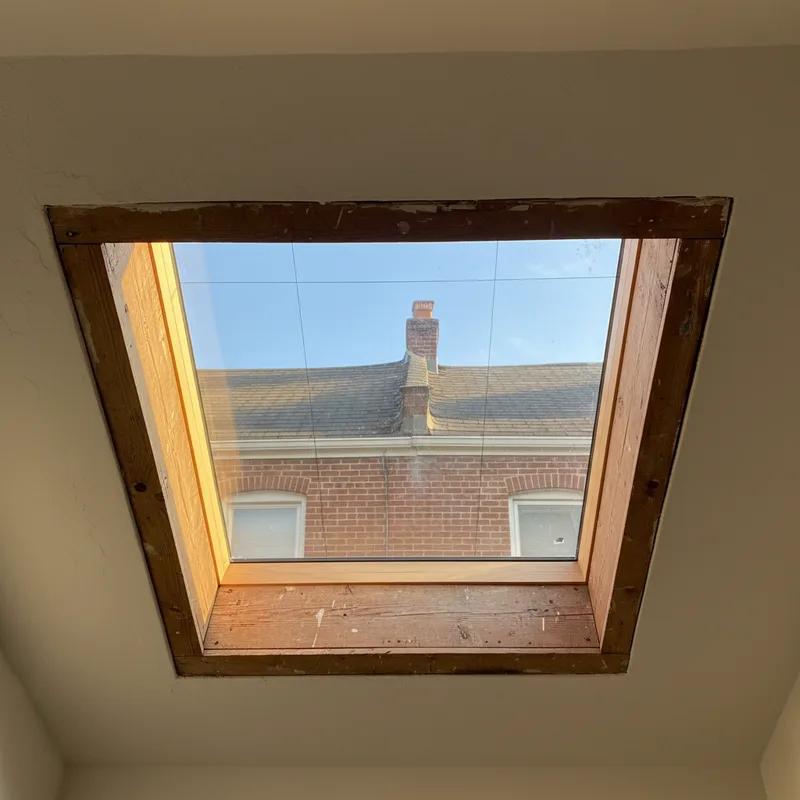
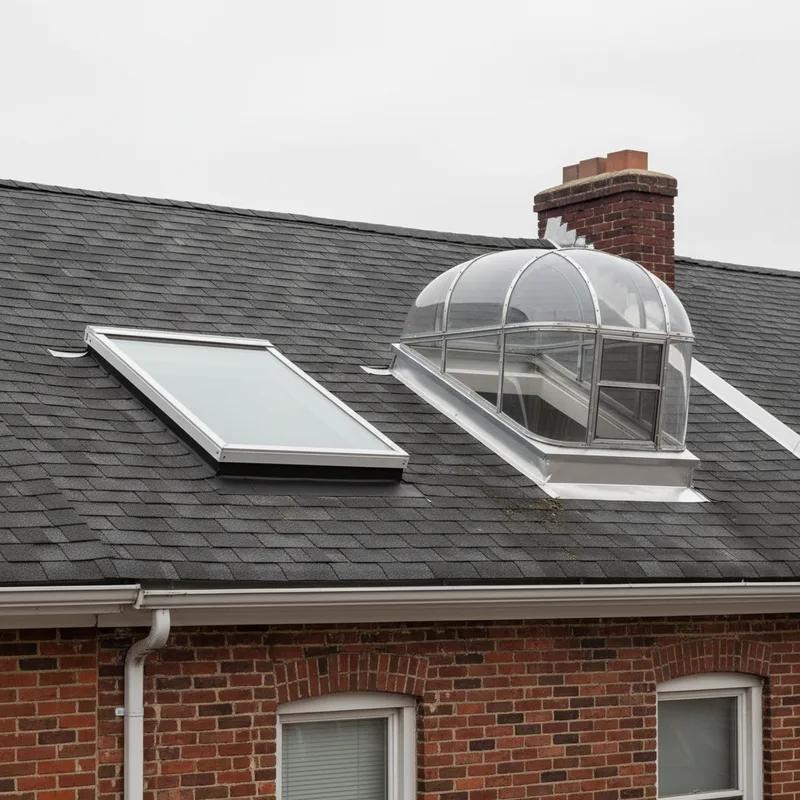
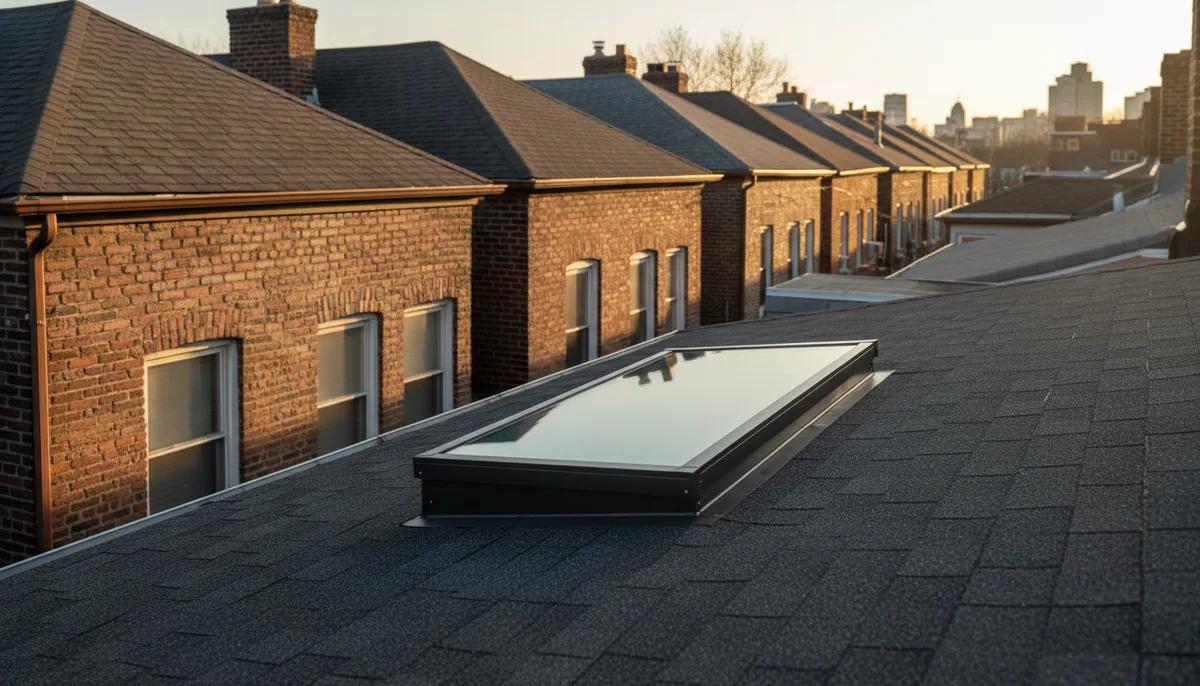
Philadelphia's housing stock is famously dense. From the narrow row homes of South Philly and Kensington to the stately twins of Chestnut Hill and Mt. Airy, many Philly homes share walls on both sides, leaving interior rooms with little to no natural light. Skylights have become an increasingly popular solution, flooding kitchens, hallways, stairwells, and bathrooms with daylight without requiring additional windows on exterior walls.
Beyond aesthetics, skylights offer real functional benefits. A well-placed, properly glazed skylight can reduce your reliance on artificial lighting during daylight hours, potentially lowering your electric bill. Venting skylights — models that open — can also improve passive airflow in the summer, helping to reduce cooling costs in a city where July and August routinely bring heat indexes above 95°F.
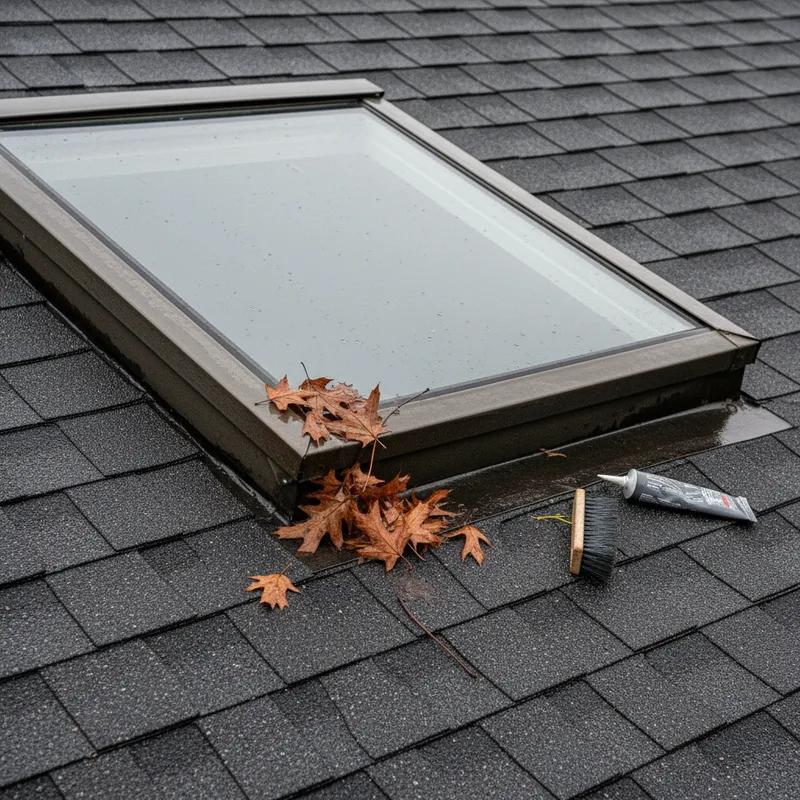
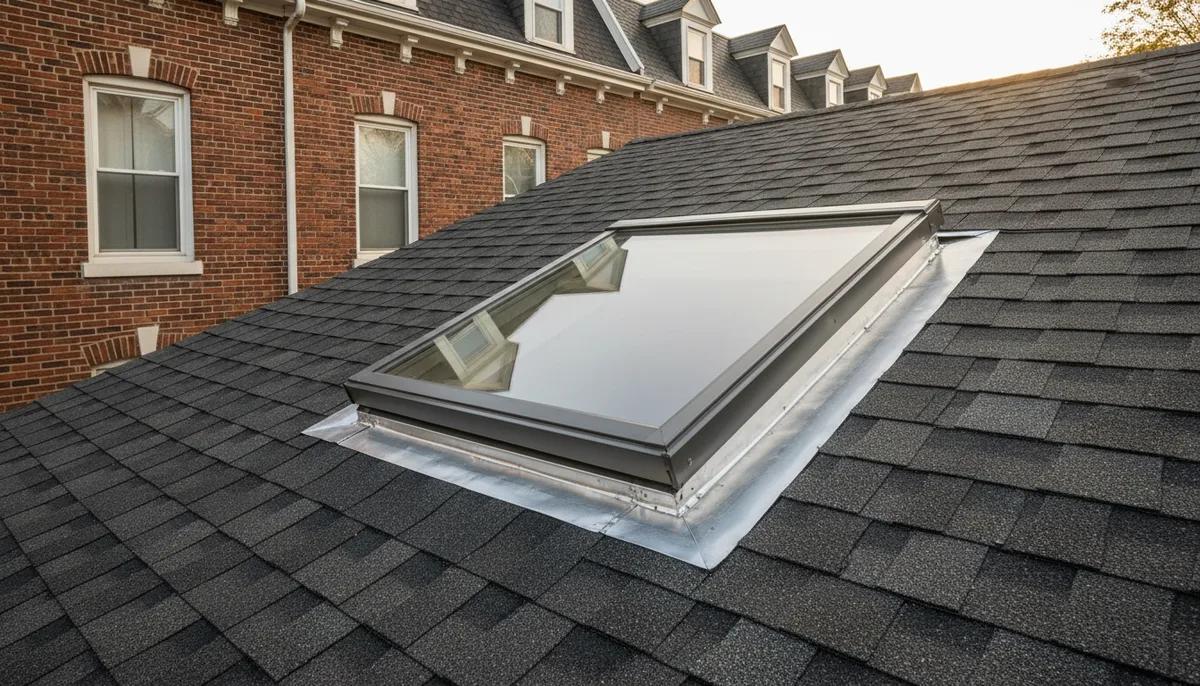
However, Philadelphia's climate demands careful planning. The city experiences a full range of weather extremes: heavy snowfall, ice storms, nor'easters, humid summers, and dramatic freeze-thaw cycles that are notoriously hard on roofing materials. Before committing to a skylight installation, homeowners need to honestly assess their roof's age and condition, the slope and orientation of the roof plane, and whether their attic or ceiling structure can accommodate the installation without compromising insulation or structural integrity.
It's also worth considering your neighborhood's character. If you live in a Philadelphia Historic District — areas like Society Hill, Germantown, or parts of West Philadelphia — your exterior modifications may be subject to review by the Philadelphia Historical Commission. Always check with the Commission before proceeding, as unapproved changes to historically designated properties can result in fines and required reversal of the work.
The bottom line: skylights are a worthwhile investment for many Philadelphia homeowners, but they require the right product, the right installer, and a clear understanding of local conditions. The sections below walk you through everything you need to know.