Signs Your Roof Deck Needs Replacement During a Reroof

Learn how Philadelphia contractors assess roof deck damage, what warning signs to watch for, and what sheathing replacement costs in 2026.

Signs Your Roof Deck Needs Replacement During a Reroof - Philadelphia roofing guide

When it's time to reroof your Philadelphia home, the condition of your roof deck—the plywood or OSB sheathing beneath your shingles—can make or break the success of the entire project.

James Callahan
Published April 1, 2026·Updated April 1, 2026
1

What Is a Roof Deck and Why Does It Matter?

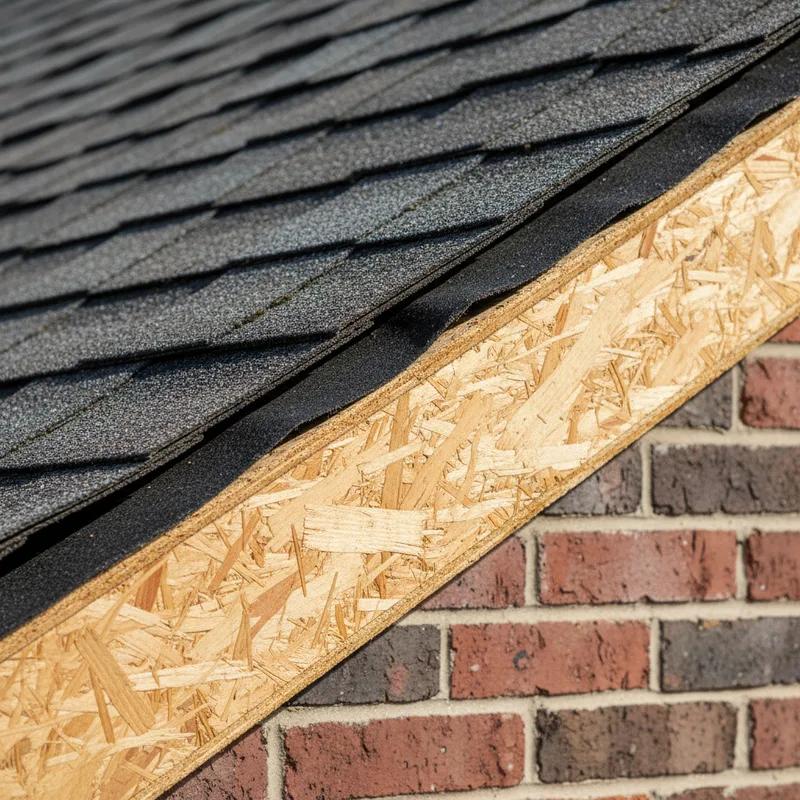
The roof deck—also called roof sheathing—is the structural foundation your roofing materials sit on. It's typically made of oriented strand board (OSB) or plywood panels nailed directly to your home's rafters or trusses. Everything else—underlayment, ice and water shield, shingles, or flat roofing membrane—gets fastened to this layer. Without a solid deck, even the most expensive new shingles won't perform as intended.

In Philadelphia, roof deck condition is especially important because of the city's climate extremes. Brutal winters with freeze-thaw cycles, humid summers, and nor'easters create conditions that accelerate moisture intrusion and wood deterioration. Row homes in neighborhoods like Kensington, Fishtown, and West Philadelphia often have roofs that are decades old, with decks that have absorbed years of moisture through failed flashing, clogged gutters, or aging underlayment.

For flat roofs—common on Philadelphia row homes and rowhomes in South Philly and Point Breeze—the deck is even more vulnerable. Flat roofs pool water more readily, and any membrane failure can saturate the deck quickly and silently. By the time homeowners notice a ceiling stain, the sheathing beneath may already be compromised across a wide area.

Understanding the roof deck's role helps you have a more informed conversation with your contractor. When a roofer pulls up your old shingles and says you need new decking, you'll want to know whether that assessment is legitimate—and what it will cost you. This article walks you through both, so you're never caught off guard.
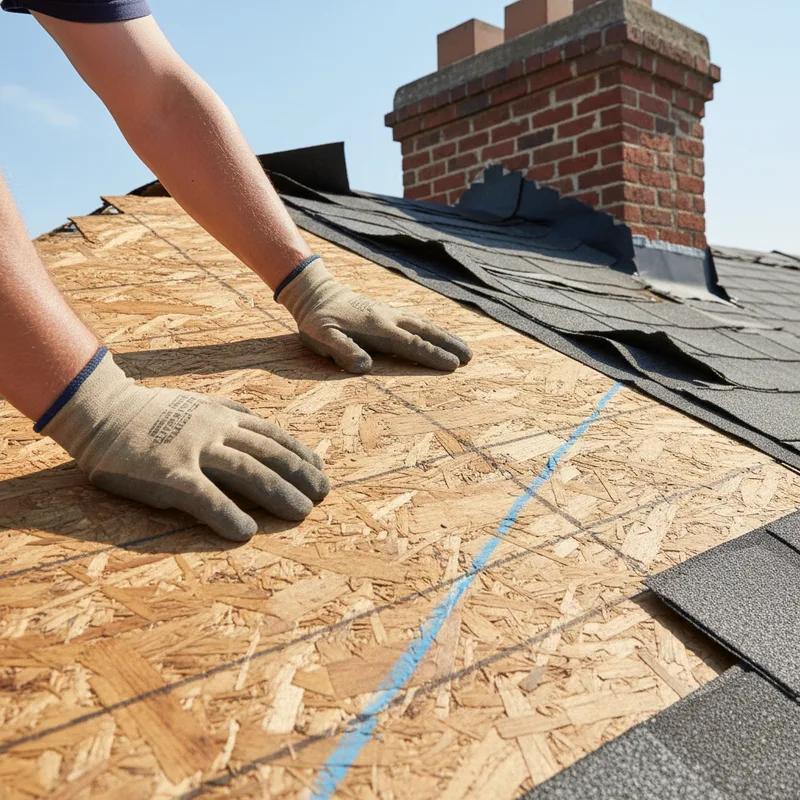
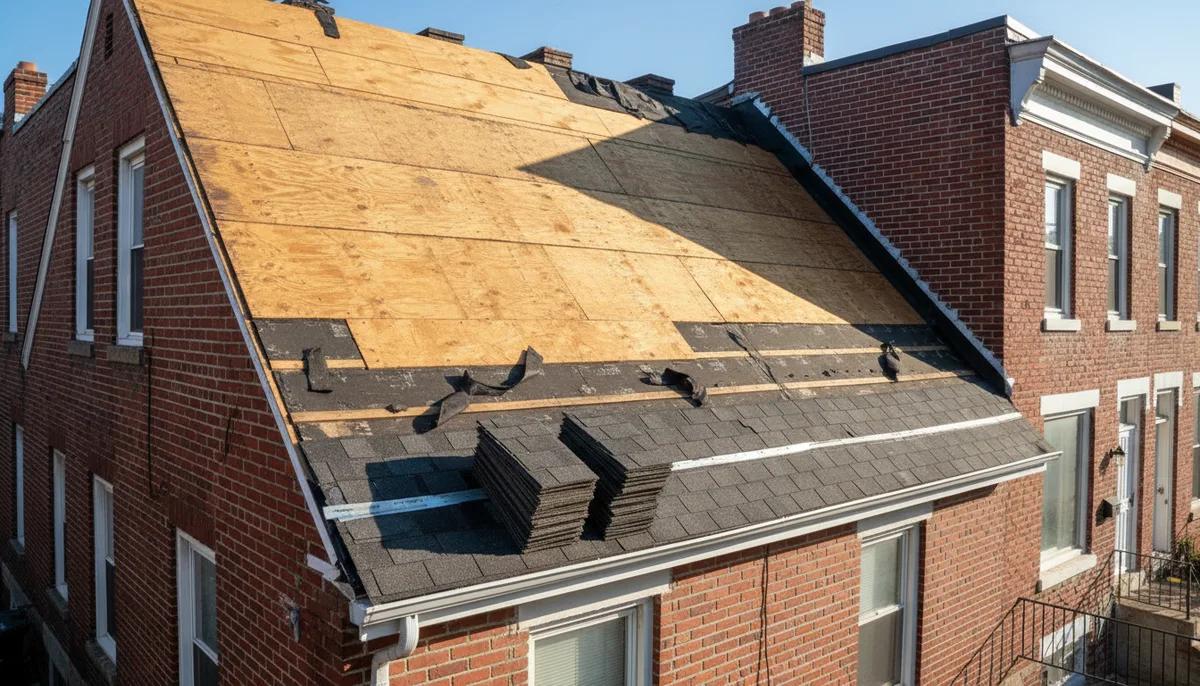
Close-up of an exposed plywood roof deck on a Philadelphia row home during a reroof, showing the wooden sheathing panels nailed to rafters before new shingles are installed
What Is a Roof Deck and Why Does It Matter?

2

How Contractors Inspect and Assess Roof Deck Condition

A thorough roof deck assessment happens in two phases: before the tear-off and after. Before work begins, an experienced Philadelphia roofing contractor will look for red flags from the attic—soft spots, discoloration, mold growth, daylight visible through gaps, and sagging between rafters. These are strong indicators that the deck above is compromised. Homeowners can often spot these same signs themselves during a basic attic inspection.

The real assessment happens once the old roofing material is stripped away. At that point, contractors walk the deck carefully, pressing down with their feet to feel for soft or spongy areas. They look for visible rot, delamination (where plywood layers separate), black or gray staining from mold and mildew, and areas where the wood has become visibly warped or buckled. Any section that flexes underfoot or shows signs of structural weakness needs to go.

Reputable contractors will mark damaged sections clearly and walk you through the findings before cutting anything out. Be cautious of any roofer who tears out large sections of decking without showing you the damage first or getting your sign-off—this is a common upsell tactic flagged by the Pennsylvania Attorney General's consumer protection resources.

In Philadelphia, contractors must also comply with the Philadelphia Building Code, which is based on the International Residential Code (IRC) with local amendments. The code requires that roof sheathing meet minimum thickness and fastening requirements. If your existing deck doesn't meet current standards—which can happen on older homes in Germantown, Roxborough, or Manayunk—replacement may be required to pass inspection, regardless of the deck's physical condition.

Always ask your contractor to document damaged areas with photos before and after removal. This protects you, supports any insurance claims, and gives you a clear record of the work performed.

A roofing contractor kneeling on an exposed roof deck in Philadelphia, pressing down to test for soft spots and rot after stripping old shingles, with damaged OSB board visible nearby
How Contractors Inspect and Assess Roof Deck Condition

3

The Most Common Signs of Roof Deck Damage in Philadelphia Homes

Knowing the specific warning signs of deck damage helps Philadelphia homeowners advocate for themselves during a reroof. Here are the most common indicators contractors look for—and that you may be able to spot yourself.

Soft or Spongy Spots: The most telling sign. When you walk on a roof and feel give underfoot, the OSB or plywood has absorbed moisture and lost its structural integrity. This is especially common around chimneys, skylights, and valleys where water tends to concentrate.

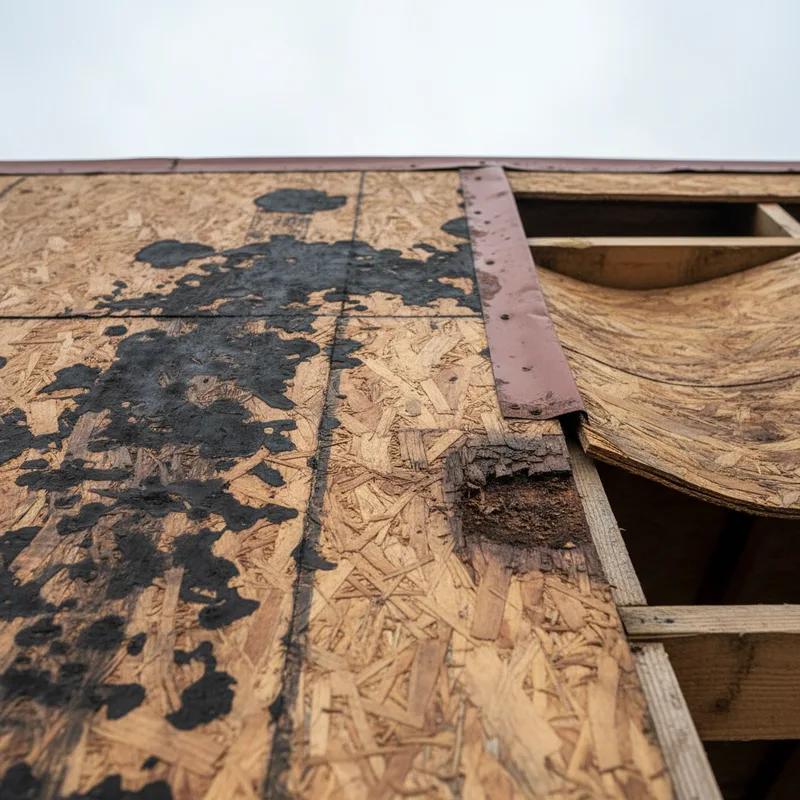
Visible Rot or Discoloration: Dark brown or black patches on the wood surface indicate rot or mold. In Philadelphia's humid summers, mold can spread quickly once moisture penetrates the underlayment. Rot doesn't just weaken the deck—it can spread to rafters and create a much more expensive structural repair.

Delamination: Plywood is made of multiple wood layers glued together. When moisture gets in, those layers separate. You can often see this as bubbling, peeling, or a spongy surface that crumbles when pressed. Delaminated plywood cannot hold fasteners properly, meaning your new shingles won't be secured correctly.

Sagging Visible from the Attic: If you look up into your attic and see sections of the deck bowing downward between rafters, that's a clear sign of long-term moisture damage or structural failure.

Ice Dam Damage: Philadelphia winters regularly produce ice dams, especially on homes in the Northeast and Northwest sections of the city with older insulation. When ice dams force water under shingles repeatedly, the deck takes the brunt of the damage. Look for water staining patterns that radiate from the eaves.

Age of the Existing Deck: OSB and plywood used in roofing typically have a functional lifespan of 20–30 years under normal conditions. If your Philadelphia home hasn't had a full reroof in that timeframe, the deck may be due for replacement regardless of obvious visual damage.

Damaged and rotted plywood roof deck panels on a Philadelphia row home, showing dark discoloration, soft spots, and delamination after old shingles were removed during a reroof project
The Most Common Signs of Roof Deck Damage in Philadelphia Homes

4

What Roof Deck Replacement Costs in Philadelphia in 2026

Roof deck replacement is one of the most significant add-on costs during a reroof, and Philadelphia homeowners should understand the pricing landscape before work begins. Costs vary based on the extent of damage, material choice, labor rates, and the type of roof—pitched versus flat.

Partial Deck Replacement: When only isolated sections are damaged, contractors replace individual sheets of OSB or plywood. In the Philadelphia market, expect to pay roughly $75 to $150 per sheet installed, including labor. A typical repair covering 2–4 sheets might add $200 to $600 to your reroof bill. Always ask your contractor to specify per-sheet pricing in writing before the job starts.

Full Deck Replacement: If the entire deck is compromised—common on older rowhomes in neighborhoods like Strawberry Mansion, Hunting Park, or parts of North Philadelphia—full replacement can add $1,500 to $4,500 or more to the total project cost, depending on roof size and pitch. Steep pitches and difficult access points increase labor costs.

Material Costs: OSB is the most common and affordable option, typically running $20–$35 per sheet for materials alone in the current market. Plywood is more moisture-resistant and runs $30–$55 per sheet. Some contractors in Philadelphia are now recommending higher-grade ZIP System sheathing, which includes a built-in moisture barrier—expect to pay a premium of 20–40% over standard OSB.

Flat Roof Considerations: For flat roofs common throughout South Philly and Center City, deck replacement often involves removing and replacing rigid insulation boards as well, which can significantly increase costs. Full flat roof deck work on a typical Philadelphia row home can range from $2,000 to $6,000 depending on scope.

Note that tariff-driven lumber price fluctuations have affected material costs in recent years. Get at least three itemized estimates and ask each contractor to break out material and labor costs separately so you can make accurate comparisons.

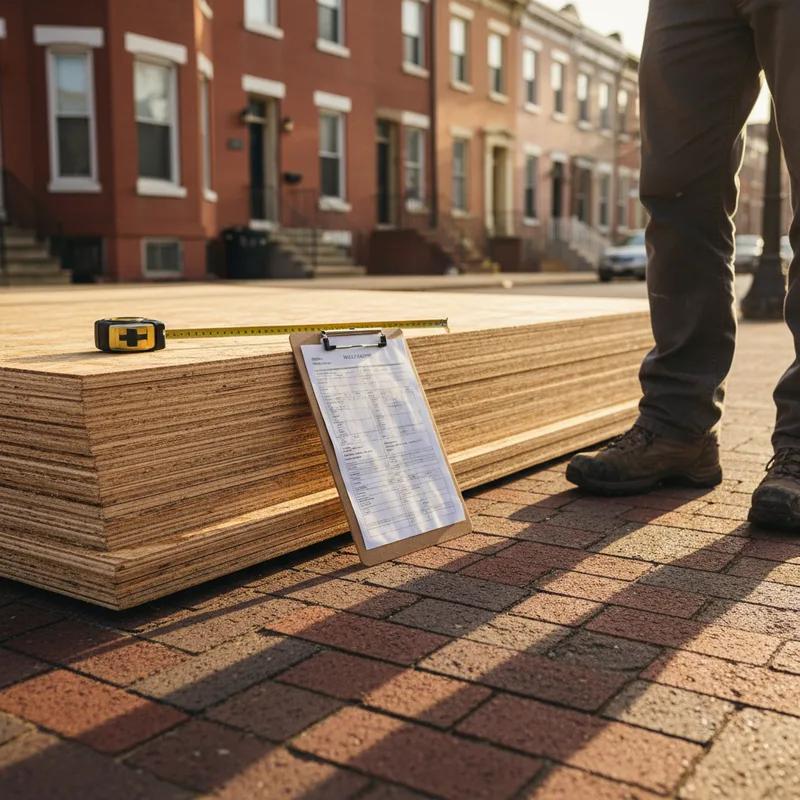
A roofing crew installing new OSB sheathing panels on a Philadelphia row home roof during a reroof, with stacks of plywood sheets and tools visible on the work site
What Roof Deck Replacement Costs in Philadelphia in 2026

5

Philadelphia Building Codes and Permits for Roof Deck Work

Roof deck replacement in Philadelphia isn't just a construction decision—it's a code and permit issue. The Philadelphia Department of Licenses and Inspections (L&I) requires permits for roofing work that involves structural components, including roof deck replacement. If your contractor is replacing more than a minor area of sheathing, a permit is typically required, and the work must be inspected.

Philadelphia follows the International Residential Code (IRC) with local amendments. Key requirements for roof sheathing include minimum panel thickness based on rafter spacing, proper fastening schedules (nail size, spacing, and pattern), and compliance with wind uplift requirements. Philadelphia's exposure to nor'easters and strong storm systems means wind resistance is taken seriously in code enforcement.

For homeowners in Philadelphia's historic districts—including parts of Society Hill, Old City, Chestnut Hill, and Germantown—additional review may be required through the Philadelphia Historical Commission. While the commission primarily focuses on visible exterior elements, any structural work that requires permit approval may trigger a broader review process.

Always verify that your contractor pulls the required permits before work begins. Unpermitted roof deck replacement can create serious problems when you sell your home, file an insurance claim, or need to document improvements for financing purposes. The Philadelphia L&I online portal allows homeowners to check permit status independently.

A legitimate Philadelphia roofing contractor will include permit fees in their estimate and handle the application process on your behalf. If a contractor suggests skipping permits to save money, treat it as a serious red flag. The short-term savings are rarely worth the long-term liability.

For homeowners in Philadelphia who need financial assistance with roof deck replacement costs, programs administered through the Philadelphia Housing Development Corporation (PHDC) and various community development organizations may offer grants or low-interest loans for qualifying low-to-moderate income homeowners. Check current eligibility requirements directly with PHDC, as program availability and funding levels change.

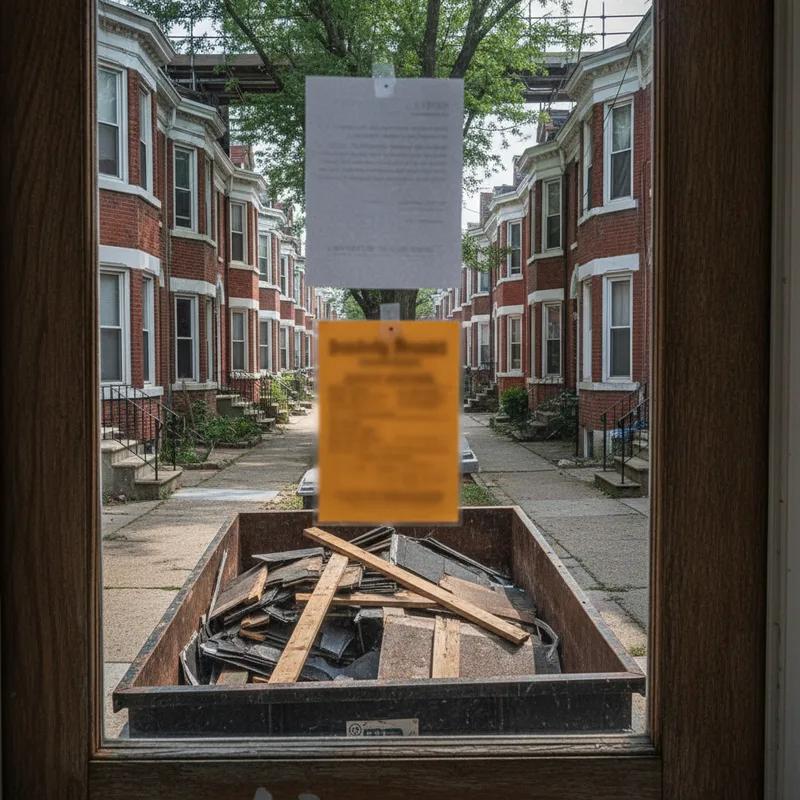
A Philadelphia Department of Licenses and Inspections permit posted on a row home exterior during an active roofing project, with a contractor visible working on the roof in the background
Philadelphia Building Codes and Permits for Roof Deck Work

6

How to Protect Yourself When Roof Deck Replacement Is Recommended

Roof deck replacement is a legitimate and sometimes essential part of a reroof—but it's also one of the most common areas where unscrupulous contractors inflate scope and cost. Here's how Philadelphia homeowners can protect themselves.

Get It in Writing Before Work Starts: Your contract should specify exactly how deck replacement will be handled. Ask for a per-sheet price for any additional decking discovered during the tear-off, and set a cap on how many sheets can be replaced without your explicit approval. This prevents surprise bills at the end of the job.

Ask to See the Damage: A trustworthy contractor will invite you to see damaged areas—either from the attic before tear-off or on the roof after stripping. Photos with timestamps are even better. Never approve deck replacement based solely on a contractor's verbal claim.

Get Multiple Estimates: For any reroof in Philadelphia, get at least three written estimates. If one contractor is recommending full deck replacement while others are not, ask each to explain their reasoning. Significant discrepancies in scope warrant further investigation.

Check Contractor Credentials: In Pennsylvania, roofing contractors must be registered with the Pennsylvania Attorney General's Home Improvement Contractor (HIC) registration program. Verify your contractor's registration number before signing anything. You can check the PA Attorney General's database online.

Understand Your Insurance Coverage: Homeowner's insurance policies vary widely in how they handle roof deck damage. Some policies cover sudden damage from storms but exclude gradual deterioration. Review your policy carefully and contact your insurer before the reroof if you suspect significant deck damage—getting documentation in place before the tear-off can strengthen a claim.

Use Philadelphia-Specific Resources: The Philly Roof Find directory connects homeowners with vetted Philadelphia-area roofing contractors who are familiar with local building codes, row home construction, and the specific challenges of Philadelphia's climate. Starting with a trusted local contractor significantly reduces the risk of being misled about deck replacement needs.

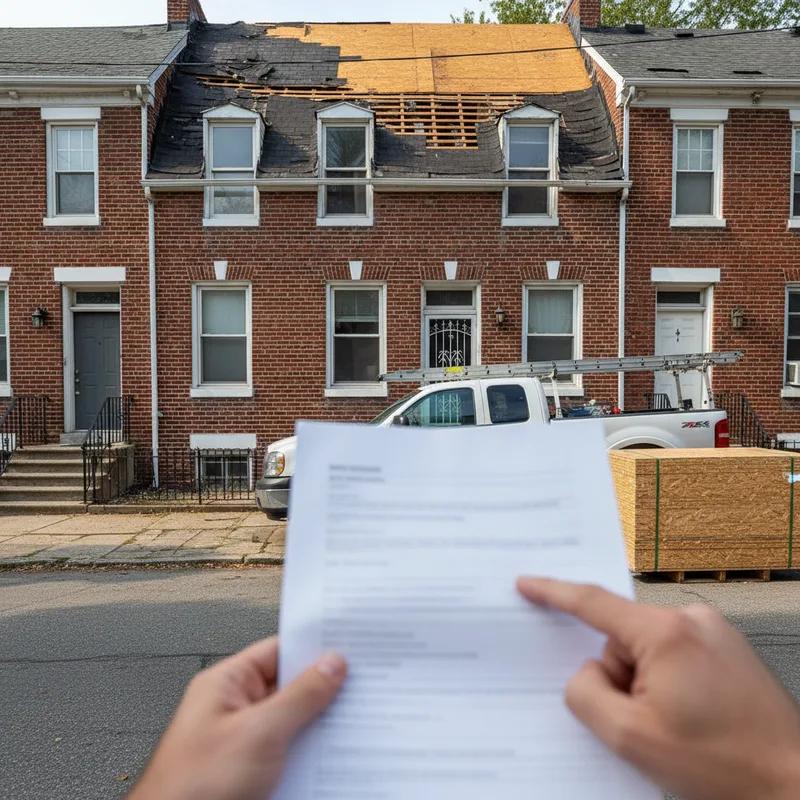
A Philadelphia homeowner reviewing a detailed roofing estimate with a contractor on a front stoop, with a clipboard showing itemized costs for sheathing replacement and other roofing materials
How to Protect Yourself When Roof Deck Replacement Is Recommended

Frequently Asked Questions

How do I know if my roof deck needs to be replaced before a reroof?

The clearest signs include soft or spongy spots when walking on the roof, visible rot or dark staining on the deck surface, delaminating plywood, sagging visible from the attic, and water staining patterns near the eaves. A reputable contractor will show you any damaged areas during the tear-off and document them with photos before replacing anything.

Is roof deck replacement covered by homeowner's insurance in Philadelphia?

It depends on your policy and the cause of damage. Sudden storm damage—like a nor'easter forcing water under shingles—is more likely to be covered than gradual deterioration from age or deferred maintenance. Contact your insurer before the reroof begins and document all damage thoroughly to support a potential claim.

How much does it cost to replace roof decking in Philadelphia?

Partial deck replacement typically runs $75–$150 per sheet installed in the Philadelphia market. Full deck replacement on a standard row home can add $1,500–$4,500 or more to a reroof project. Flat roof deck work often costs more due to additional layers involved. Always get itemized pricing in writing before work begins.

Do I need a permit for roof deck replacement in Philadelphia?

Yes, in most cases. The Philadelphia Department of Licenses and Inspections requires permits for roofing work involving structural components, including significant roof deck replacement. Work must meet Philadelphia's building code requirements and pass inspection. Always confirm your contractor is pulling the required permits before work starts.

Can roofers replace just part of the roof deck, or does it all need to go?

In most cases, only the damaged sections need replacement. Contractors should replace individual sheets where rot, delamination, or structural failure is present while leaving sound sections intact. Full deck replacement is only warranted when damage is widespread—typically from long-term neglect or repeated water intrusion across the entire roof area.

James Callahan
Founder & Editor, Philly Roof Find

James founded Philly Roof Find to give Philadelphia homeowners a transparent, independent resource for evaluating roofing contractors. With a background in building trades and a focus on local construction practices, he writes practical guides grounded in Philadelphia-specific building codes, materials, and contractor standards.