How to Protect Your Philadelphia Roof from Summer UV Damage

Learn how Philadelphia homeowners can protect their roofs from intense summer UV damage, extend roof lifespan, and reduce energy costs in 2026.

How to Protect Your Philadelphia Roof from Summer UV Damage - Philadelphia roofing guide

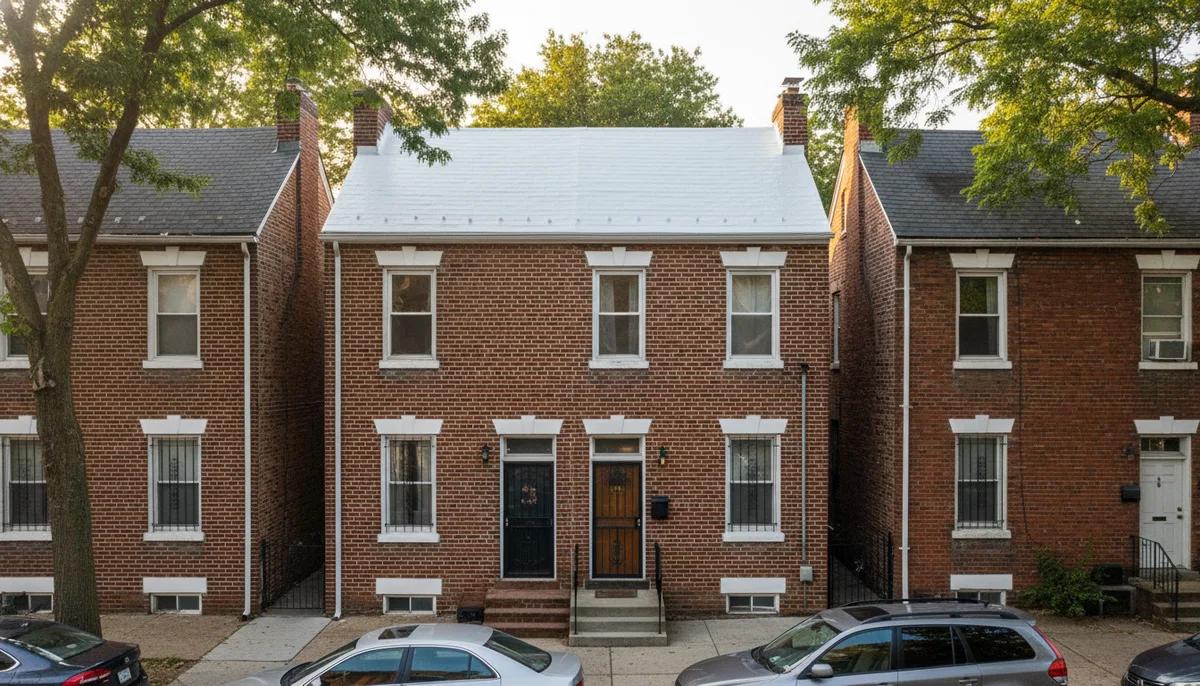
Philadelphia summers bring intense UV radiation that can crack, fade, and prematurely age your roof—whether you have asphalt shingles on a Fishtown row home or a flat rubber membrane in South Philly.

James Callahan
Published June 11, 2026·Updated June 11, 2026
1

Why Philadelphia Summers Are Especially Tough on Roofs

Philadelphia summers are no joke. The city regularly experiences heat index values well above 100°F, and urban neighborhoods like Kensington, Point Breeze, and Northern Liberties are particularly vulnerable to the urban heat island effect—where dense pavement, brick, and rooftop surfaces absorb and re-radiate heat, pushing local temperatures even higher than surrounding suburban areas.

Ultraviolet (UV) radiation is one of the most destructive forces acting on your roof throughout the summer months. UV rays break down the chemical bonds in roofing materials over time, causing asphalt shingles to lose their protective granules, rubber membranes to become brittle, and reflective coatings to degrade. On a clear Philadelphia summer day, roof surface temperatures can reach 150°F to 180°F—far hotter than the ambient air temperature.

For Philadelphia's large stock of row homes, the problem is compounded by flat or low-slope roofs, which receive direct sun exposure for longer portions of the day than pitched roofs. Many South Philly and West Philly row homes have modified bitumen or EPDM rubber flat roofs that are especially susceptible to UV-induced cracking and blistering when left unprotected.

The cumulative effect of UV exposure doesn't just shorten your roof's lifespan—it also drives up your energy bills. A roof absorbing maximum solar heat transfers that heat into your attic and living spaces, forcing your air conditioning system to work harder. According to the U.S. Department of Energy, cool roofing strategies can reduce roof surface temperatures by up to 50°F, significantly cutting cooling loads in dense urban environments like Philadelphia.

Understanding these local climate realities is the first step toward making smart decisions about UV protection for your specific roof type and neighborhood.
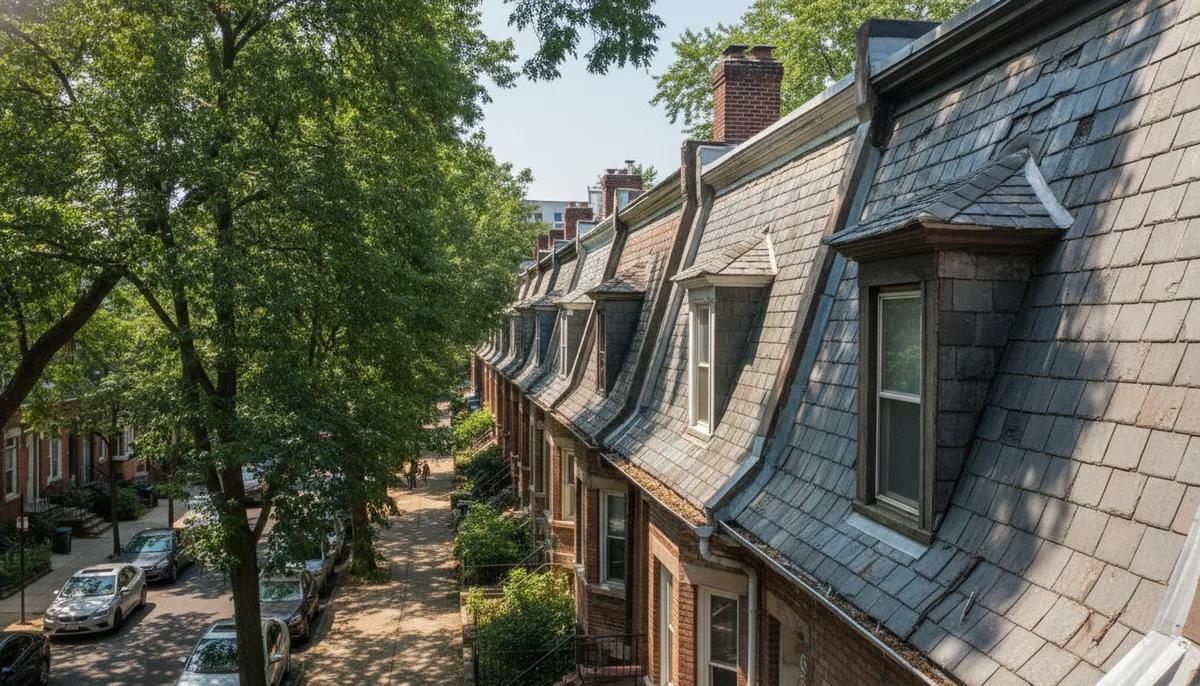
Aerial view of dense Philadelphia row home rooftops in a South Philly neighborhood on a bright summer day, showing flat roofs baking under intense sunlight
Why Philadelphia Summers Are Especially Tough on Roofs

2

How UV Radiation Damages Different Roofing Materials

Not all roofing materials respond to UV radiation the same way, and Philadelphia's diverse housing stock means homeowners are dealing with a wide range of vulnerabilities. Knowing what UV does to your specific roof material helps you prioritize the right protective measures.

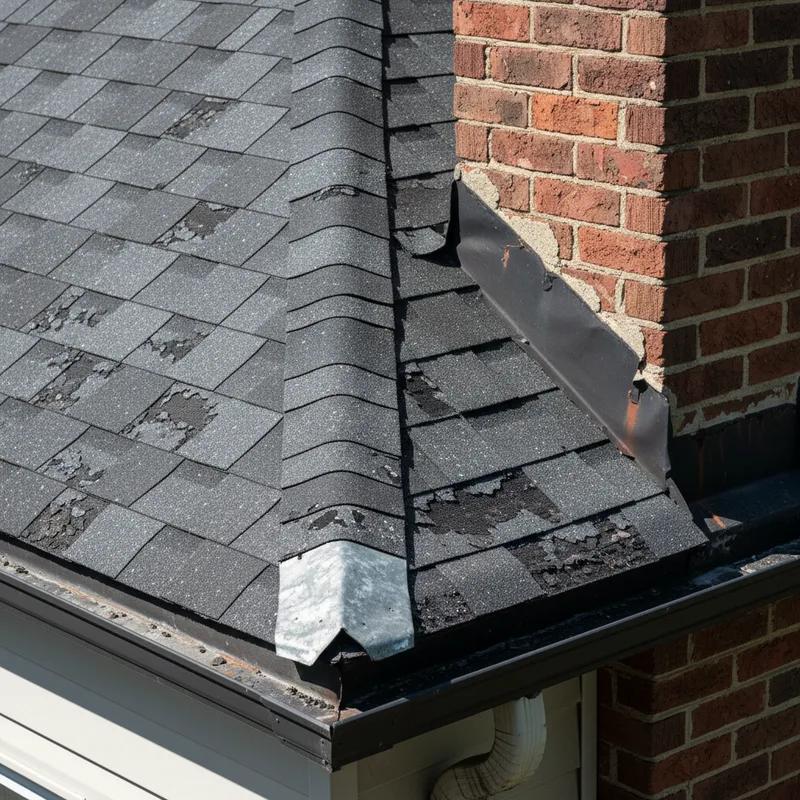
Asphalt Shingles: The most common roofing material on Philadelphia's pitched-roof homes in neighborhoods like Roxborough, Chestnut Hill, and the Northeast. UV radiation gradually oxidizes the asphalt binder in shingles, causing them to dry out, curl at the edges, and shed their protective ceramic granules. Once granule loss accelerates, the underlying asphalt is exposed directly to the sun, dramatically speeding up deterioration. A shingle roof that might last 25–30 years in a moderate climate can age noticeably faster without UV protection strategies.

EPDM Rubber Roofing: Extremely common on Philadelphia flat and low-slope row home roofs, EPDM (ethylene propylene diene monomer) is naturally resistant to UV to a degree, but prolonged exposure causes the membrane to harden, crack, and lose its watertight integrity. Seams and flashings are particularly vulnerable.

Modified Bitumen: Another flat-roof staple in Philadelphia, modified bitumen membranes can blister and crack under sustained UV bombardment, especially if the surface coating has worn away. The dark surface color also maximizes heat absorption, worsening thermal stress.

TPO and PVC Membranes: These white or light-colored single-ply membranes are increasingly popular for Philadelphia flat roofs because their reflective surfaces naturally resist UV heat gain. However, UV exposure can still degrade seams and cause surface chalking over time without proper maintenance.

Metal Roofing: Growing in popularity across Philadelphia for both residential and commercial properties, metal roofs are highly UV-resistant but can suffer from faded paint finishes and compromised reflective coatings if not periodically treated.

Regardless of material, the key takeaway is that no roof is entirely immune to UV damage—proactive protection is always more cost-effective than reactive repair.

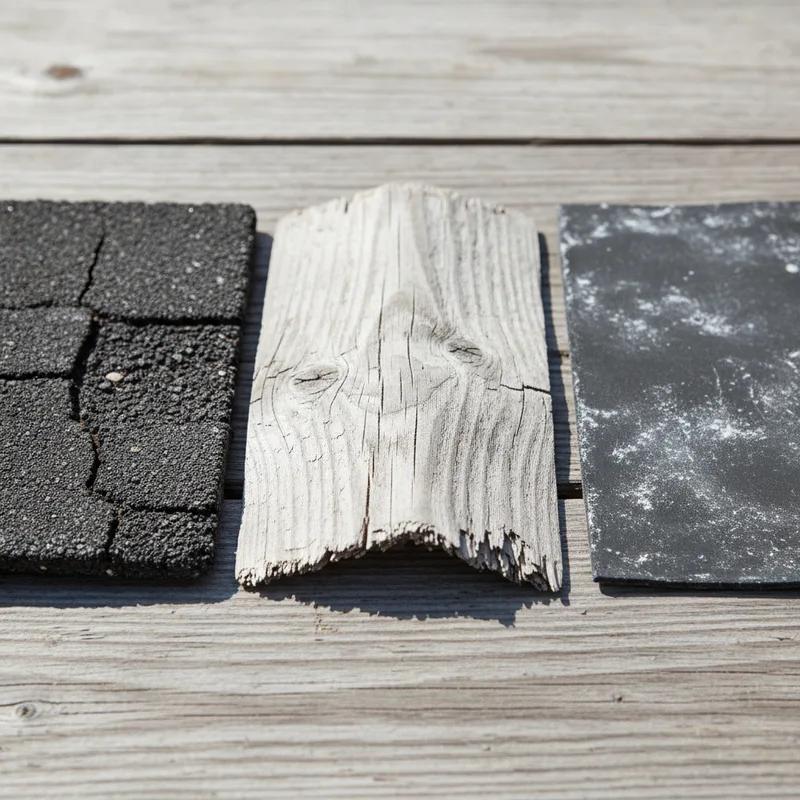
Close-up comparison of UV-damaged asphalt shingles with missing granules next to a well-maintained shingle on a Philadelphia row home roof
How UV Radiation Damages Different Roofing Materials

3

Practical UV Protection Strategies for Philadelphia Homeowners

The good news is that Philadelphia homeowners have a range of effective, proven strategies to shield their roofs from UV damage—many of which also deliver meaningful energy savings.

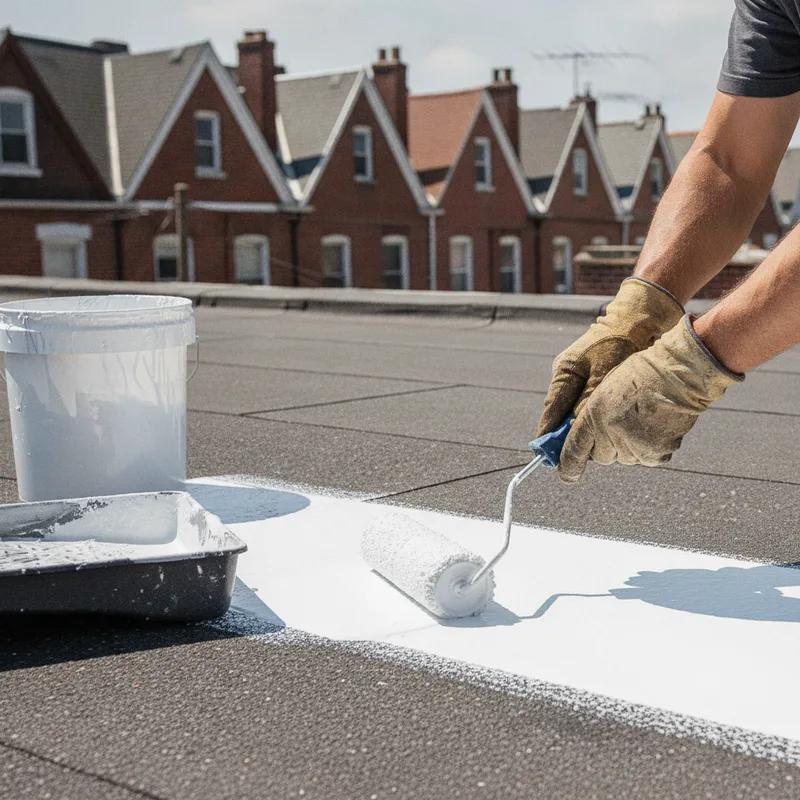
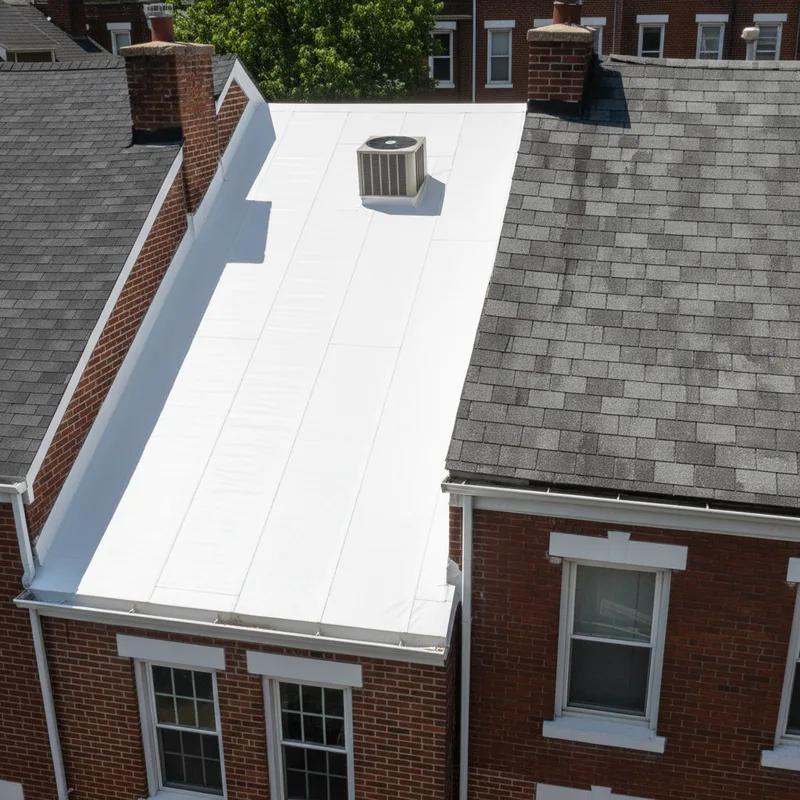
Apply a Reflective Roof Coating: One of the most cost-effective interventions for flat and low-slope roofs is applying a high-quality reflective or elastomeric roof coating. These coatings—available in acrylic, silicone, and polyurethane formulas—create a white or light-colored surface that reflects UV radiation rather than absorbing it. For Philadelphia row home owners with EPDM or modified bitumen roofs, a professionally applied coating can add 5–10 years to the membrane's life and reduce attic temperatures substantially. Philadelphia's Office of Sustainability has historically supported cool roof initiatives as part of the city's heat resilience strategy, so check for any current rebate or incentive programs before scheduling work.

Upgrade to UV-Resistant Shingles: If your asphalt shingle roof is approaching the end of its life, consider upgrading to shingles with enhanced UV resistance. Many manufacturers now offer Class 4 impact-resistant shingles with improved UV-stable granules and algae-resistant coatings. Some products carry ENERGY STAR certification, which may qualify for federal tax credits under current clean energy incentive programs.

Ensure Proper Attic Ventilation: Adequate attic ventilation is a critical but often overlooked factor in UV and heat management. When heat builds up in an under-ventilated attic, it accelerates shingle degradation from below while the sun attacks from above. Philadelphia's older housing stock frequently has inadequate ridge or soffit venting—a licensed roofer can assess and correct this during a summer inspection.

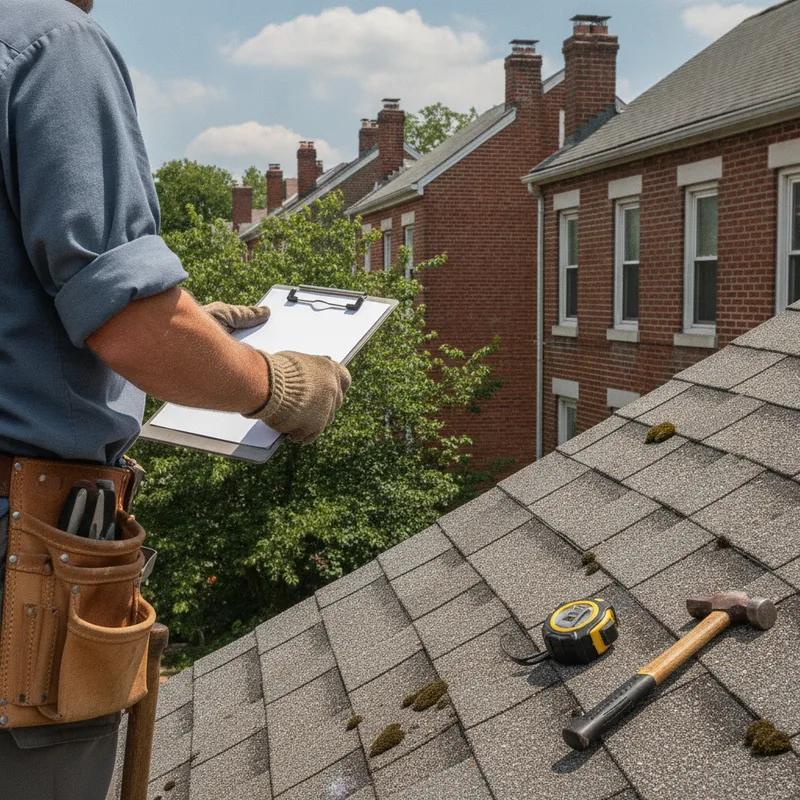
Schedule Annual Inspections: Catching UV damage early—granule loss, surface cracking, blistering—allows for targeted repairs before full membrane or shingle replacement becomes necessary. Early summer is an ideal time for a professional roof inspection in Philadelphia, before the most intense heat weeks arrive.

Trim Overhanging Trees: While shade from trees can reduce UV exposure, overhanging branches also trap moisture, promote moss and algae growth, and pose storm damage risks. Strategic trimming maintains airflow and limits debris accumulation.

A roofing contractor applying white reflective elastomeric coating to a flat row home roof in Philadelphia on a sunny summer morning
Practical UV Protection Strategies for Philadelphia Homeowners

4

Cool Roofs and Philadelphia's Building Code Landscape

Philadelphia has been increasingly attentive to cool roof requirements and energy efficiency standards as the city pursues its climate action goals. Homeowners planning a roof replacement or significant repair should be aware of how local codes and programs intersect with UV protection decisions.

Philadelphia's building code is based on the International Building Code (IBC) and International Residential Code (IRC) frameworks, with local amendments administered by the Department of Licenses and Inspections (L&I). Any roof replacement or significant repair requiring a permit must meet current energy code requirements, which in Pennsylvania are aligned with the International Energy Conservation Code (IECC). These standards include minimum Solar Reflectance Index (SRI) values for low-slope roofs in commercial and multifamily applications, and they increasingly influence residential recommendations as well.

For homeowners in Philadelphia's many historic districts—including parts of Society Hill, Rittenhouse Square, Germantown, and Old City—roofing material choices may also be subject to review by the Philadelphia Historical Commission. Reflective white coatings or dramatically different roofing materials on street-facing slopes may require approval, so always confirm before proceeding.

The Philadelphia Water Department's Green City, Clean Waters program and the city's broader sustainability initiatives have supported green and cool roof installations on both residential and commercial properties. While specific program availability and funding levels change, it's worth contacting the Philadelphia Office of Sustainability or a knowledgeable local roofing contractor to ask about current incentives before your project begins.

When pulling permits for roof work—which is required for full replacements and many significant repairs in Philadelphia—your contractor must be licensed with the city. Always verify your roofer's credentials through the L&I contractor license lookup tool before signing a contract. Working with an unlicensed contractor can leave you liable for code violations and void your homeowner's insurance coverage.

Philadelphia Department of Licenses and Inspections building exterior with a homeowner and roofing contractor reviewing permit documents on a tablet
Cool Roofs and Philadelphia's Building Code Landscape

5

Signs Your Philadelphia Roof Is Already Suffering from UV Damage

Catching UV damage early can mean the difference between a simple repair and a full roof replacement. Philadelphia homeowners should know what warning signs to look for, both from ground level and during a professional inspection.

Granule Loss on Asphalt Shingles: Check your gutters and downspout splash areas after a rain. A significant accumulation of dark, sand-like granules is a clear sign that your shingles are losing their UV-protective coating. You may also notice bare, shiny patches on shingles when viewed from the street.

Curling, Cupping, or Cracking Shingles: UV-induced oxidation causes asphalt shingles to lose flexibility. Edges that curl upward (cupping) or corners that lift (clawing) are signs of advanced UV and thermal stress. Cracked shingles are a direct pathway for water infiltration.

Blistering or Bubbling on Flat Roofs: On EPDM, modified bitumen, or built-up roofs, UV heat causes trapped moisture or volatile compounds to expand, creating bubbles or blisters on the membrane surface. These weak spots are highly susceptible to puncture and cracking.

Faded or Chalky Surface Appearance: A roof that looks dramatically lighter or chalky compared to its original color has experienced significant UV degradation of its surface coating or granules. This is especially visible on colored metal roofing or TPO membranes.

Interior Heat and Energy Bill Spikes: If your upper floors feel unusually hot in summer or your cooling bills have jumped significantly, it may indicate that your roof's thermal performance has degraded due to UV damage.

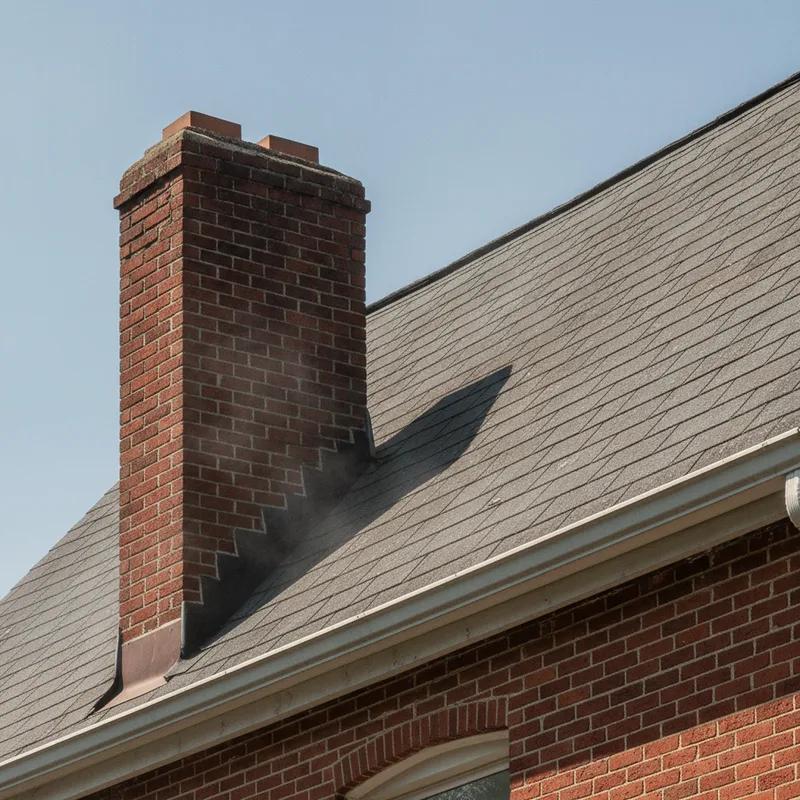
Visible Cracking Around Flashings: UV exposure accelerates the degradation of the sealants and caulking around chimney flashings, skylights, and vent pipes—common weak points on Philadelphia row homes and older detached houses in neighborhoods like Manayunk and Mt. Airy.

If you notice any of these signs, contact a licensed Philadelphia roofing contractor for a professional assessment before minor damage becomes a major problem.

Close-up of a Philadelphia row home flat roof showing blistering and surface cracking on an aged EPDM membrane during a summer roof inspection
Signs Your Philadelphia Roof Is Already Suffering from UV Damage

6

Choosing the Right Roofing Contractor for UV Protection Work in Philadelphia

Whether you're applying a reflective coating, replacing UV-damaged shingles, or upgrading to a cool roof system, choosing the right contractor is critical to getting lasting results. Philadelphia's roofing market is competitive, and not all contractors have equal expertise in UV protection and energy-efficient roofing systems.

Verify Licensing and Insurance: All roofing contractors working in Philadelphia must hold a current contractor license issued by the Department of Licenses and Inspections. They must also carry general liability insurance and workers' compensation coverage. Ask for certificates of insurance and verify the license number on the L&I website before signing anything.

Look for Cool Roof and Coating Expertise: Not every roofer has hands-on experience with reflective coatings, ENERGY STAR-rated products, or TPO and PVC membrane systems. Ask specifically about their experience with UV-protective applications and request references from similar Philadelphia row home or flat roof projects.

Get Multiple Written Estimates: For any significant UV protection project—coating application, shingle replacement, or membrane upgrade—get at least three written estimates. Estimates should specify the exact materials (manufacturer, product name, and warranty), scope of work, and timeline. Be cautious of unusually low bids, which may indicate substandard materials or unlicensed labor.

Ask About Manufacturer Warranties: Quality UV-resistant roofing products come with manufacturer warranties that are only valid when installed by certified contractors. Ask whether your roofer is a certified installer for the products they're recommending—this protects your investment long-term.

Avoid Door-to-Door Solicitations After Heat Events: Unfortunately, Philadelphia sees an uptick in roofing scams following high-profile weather events. Be wary of contractors who approach you unsolicited, demand large upfront cash payments, or pressure you to sign contracts immediately. Use Philly Roof Find's directory to connect with vetted, local Philadelphia roofing professionals you can trust.

Taking the time to choose a qualified, licensed contractor ensures your UV protection investment delivers real, lasting results for your Philadelphia home.

A licensed Philadelphia roofing contractor in a company-branded shirt reviewing a written roofing estimate with a homeowner on a row home front stoop
Choosing the Right Roofing Contractor for UV Protection Work in Philadelphia

Frequently Asked Questions

How much does UV damage shorten a roof's lifespan in Philadelphia?

UV radiation, combined with Philadelphia's high summer temperatures, can reduce an asphalt shingle roof's lifespan by 5–10 years compared to manufacturer estimates if no protective measures are taken. Flat roofs with uncoated EPDM or modified bitumen membranes are similarly vulnerable. Reflective coatings and proper ventilation are the most effective ways to mitigate this accelerated aging.

What is a cool roof and is it worth it for Philadelphia homes?

A cool roof uses highly reflective materials or coatings to reflect sunlight and reduce heat absorption, lowering roof surface temperatures by up to 50°F compared to standard dark roofing. For Philadelphia homeowners—especially those with flat row home roofs—cool roofs can meaningfully reduce cooling costs, extend roof life, and contribute to the city's urban heat island mitigation goals. The upfront cost is often recovered through energy savings within a few years.

Do I need a permit to apply a reflective roof coating in Philadelphia?

Applying a roof coating to an existing surface typically does not require a permit in Philadelphia, but a full roof replacement or significant structural repair does. Always confirm with the Philadelphia Department of Licenses and Inspections (L&I) before starting any roofing project, as permit requirements can vary based on scope and property type. Working without required permits can create problems when selling your home or filing an insurance claim.

How often should I inspect my Philadelphia roof for UV damage?

Philadelphia roofing professionals recommend a professional inspection at least once a year, ideally in late spring before peak summer UV intensity arrives. Homeowners can also do a visual check from the ground after periods of intense heat, looking for granule loss in gutters, visible cracking, or blistering on flat roof surfaces. Catching UV damage early dramatically reduces repair costs.

Are there financial assistance programs for cool roof or UV-protective roofing in Philadelphia?

Philadelphia has historically offered incentives for energy-efficient and cool roofing through programs connected to the Office of Sustainability and various federal energy efficiency tax credits. Availability and eligibility requirements change over time, so contact the Philadelphia Office of Sustainability or a knowledgeable local roofing contractor to ask about current programs before starting your project. Some ENERGY STAR-certified roofing products may also qualify for federal residential clean energy tax credits.

James Callahan
Founder & Editor, Philly Roof Find

James founded Philly Roof Find to give Philadelphia homeowners a transparent, independent resource for evaluating roofing contractors. With a background in building trades and a focus on local construction practices, he writes practical guides grounded in Philadelphia-specific building codes, materials, and contractor standards.