How to Choose the Right Shingle Color for Your Philadelphia Home

Learn how to pick the best shingle color for your Philly home—matching your style, HOA rules, and energy efficiency in one smart decision.

How to Choose the Right Shingle Color for Your Philadelphia Home - Philadelphia roofing guide

Choosing the right shingle color for your Philadelphia home involves more than personal taste—it affects your curb appeal, energy bills, and even HOA compliance.

James Callahan
Published March 8, 2026·Updated March 8, 2026
1

Why Shingle Color Matters More Than You Think in Philadelphia

When most Philadelphia homeowners think about a roof replacement, they focus on materials, warranties, and cost. Shingle color often feels like an afterthought—but it shouldn't be. The color of your roof plays a significant role in your home's curb appeal, resale value, energy performance, and neighborhood fit.

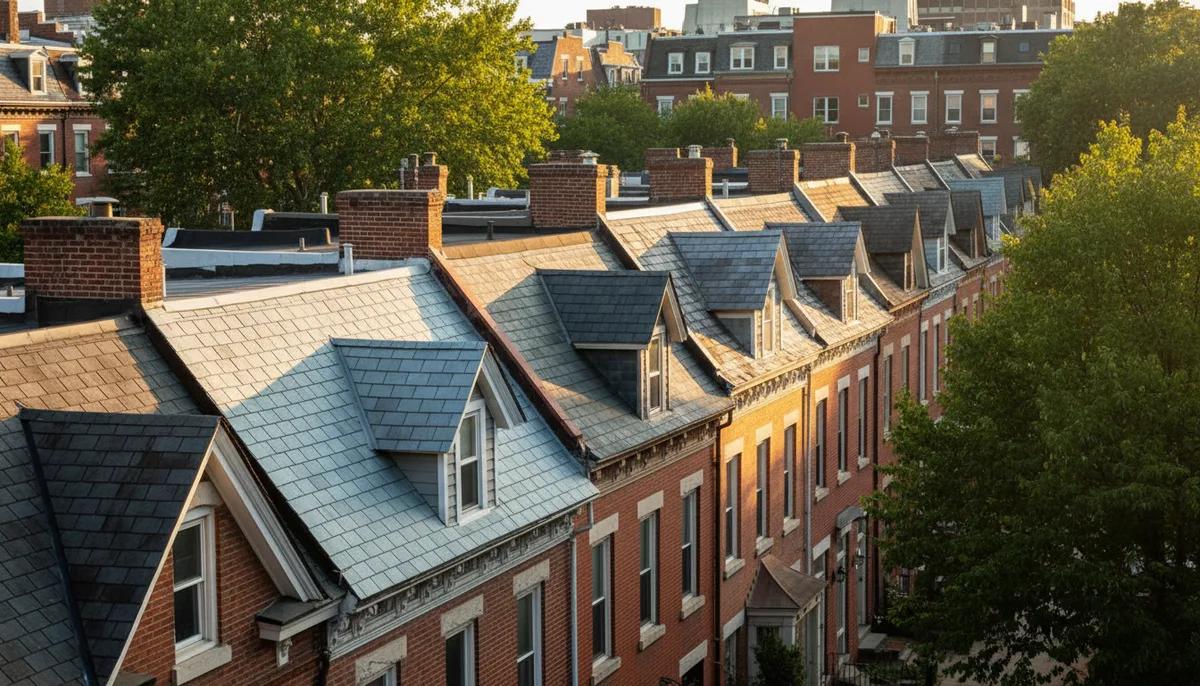
Philadelphia is a city of distinct architectural personalities. Fishtown's converted industrial rowhouses, Chestnut Hill's stone colonials, Germantown's historic Victorians, and the classic red-brick twins of Northeast Philly all have different visual identities. A shingle color that looks stunning on a craftsman bungalow in Mt. Airy might look completely out of place on a Federal-style rowhome in Society Hill.

Beyond aesthetics, shingle color has a measurable impact on your home's thermal performance. Philadelphia experiences genuine four-season weather—hot, humid summers that regularly push into the 90s, and cold winters with ice, snow, and freezing rain. The color of your shingles affects how much heat your roof absorbs and retains, which directly influences your cooling and heating costs year-round.

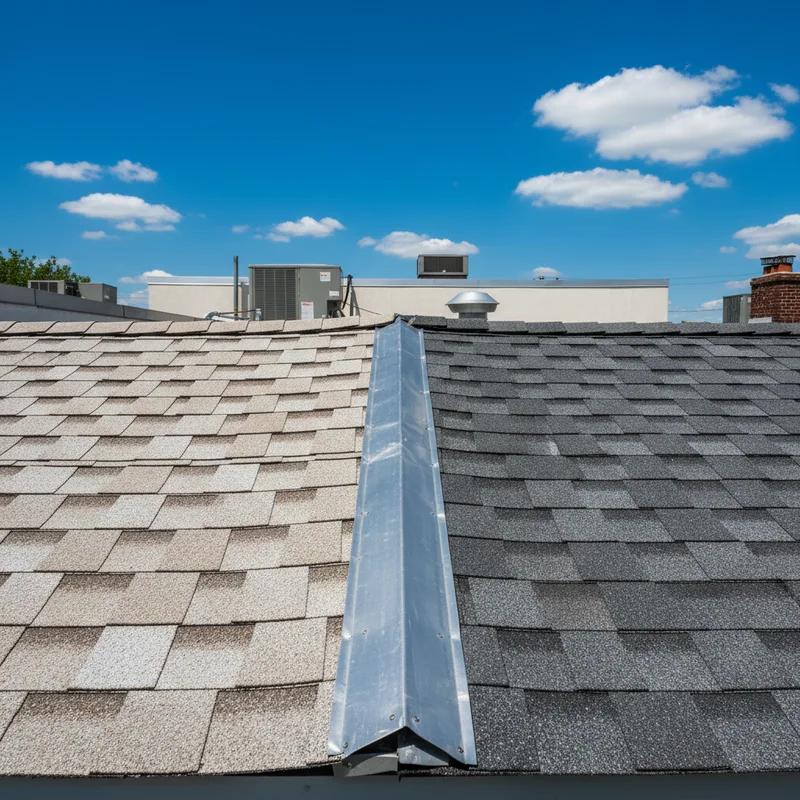
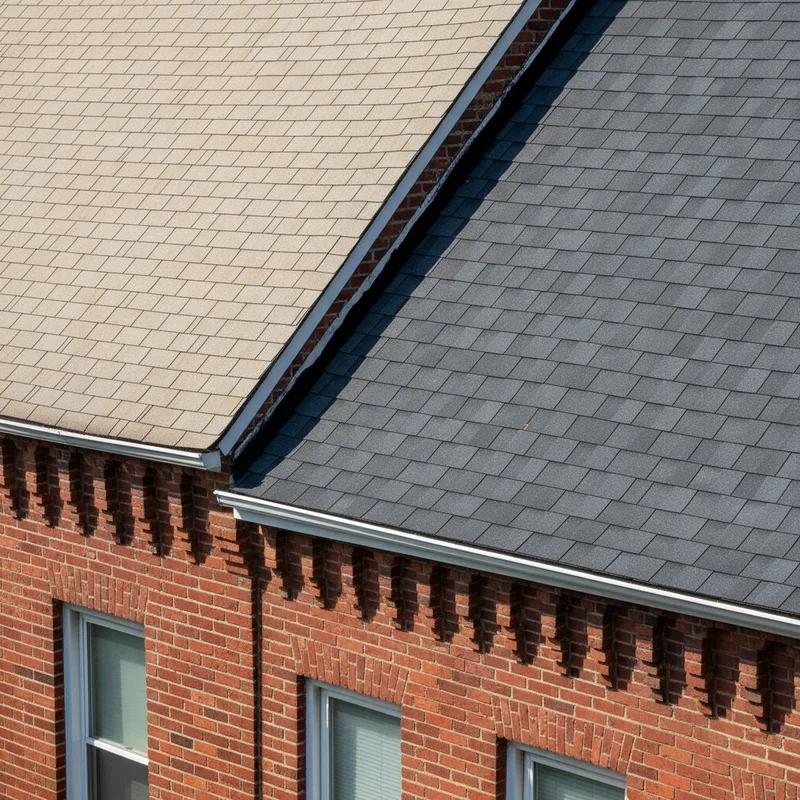
Dark shingles absorb more solar heat, which can be a benefit in winter but a liability in summer. Light or 'cool' shingles reflect more sunlight, reducing attic temperatures and easing the load on your air conditioning system. In a dense urban environment like Philadelphia, where the heat island effect is a real concern, this distinction matters.

Finally, shingle color choices may be restricted by your homeowners association, local historic preservation guidelines, or Philadelphia's Department of Licenses and Inspections. Getting informed before you buy can save you time, money, and conflict down the road. This guide will help you navigate every factor so you can choose with confidence.
2

Matching Shingle Color to Your Philadelphia Home's Architectural Style

Philadelphia's housing stock is one of the most architecturally diverse in the country, and matching your shingle color to your home's style is the single most important aesthetic decision you'll make. Start by identifying your home's dominant exterior materials and architectural period.

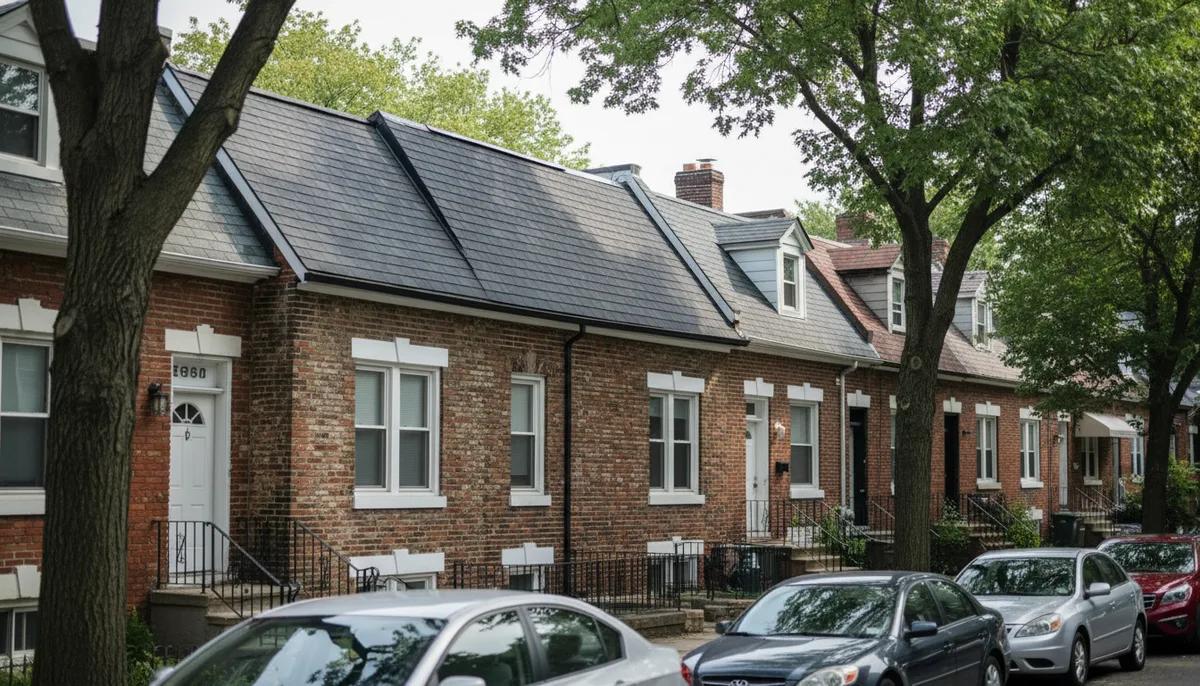
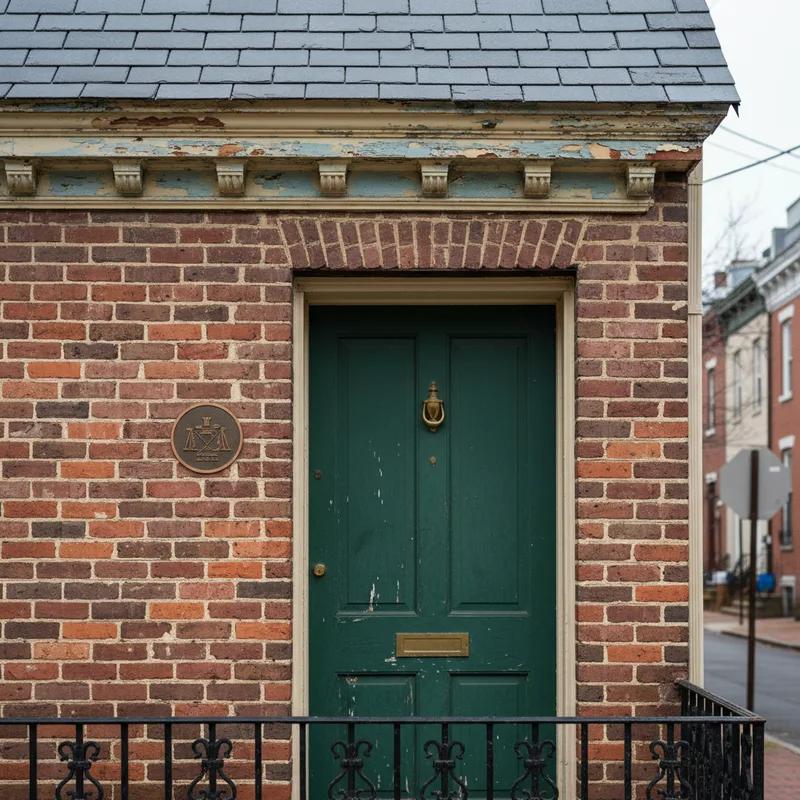
For the classic red or orange brick rowhouses that define neighborhoods like Passyunk Square, Kensington, and Mayfair, warm-toned shingles tend to work beautifully. Shades like weathered wood, autumn brown, charcoal with warm undertones, or russet blend harmoniously with brick without competing for attention. Avoid cool blues or stark grays, which can create a jarring visual disconnect against warm brick.

If you live in one of Chestnut Hill or Germantown's stone-faced homes, you have more flexibility. Gray, slate-toned, or even mossy green shingles complement the natural texture of fieldstone and granite. These cooler tones echo the stone's natural palette and give the home a grounded, timeless look.

For the painted wood siding homes found in parts of West Philadelphia and Bella Vista, coordinate your shingle color with your siding and trim rather than fighting against them. A good rule of thumb: your roof should be one to two shades darker than your siding. This creates visual depth and grounds the home.

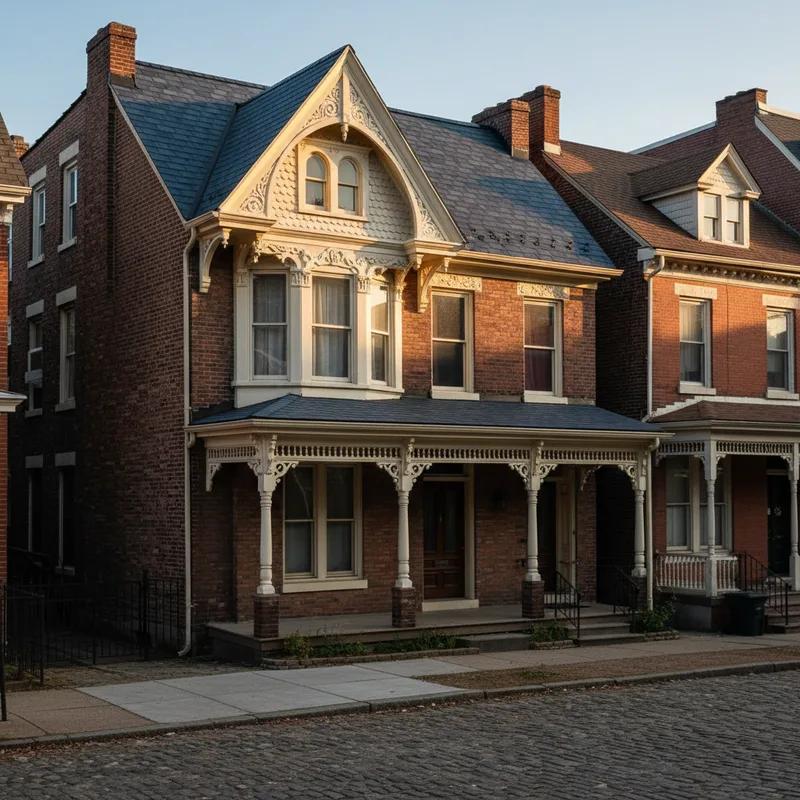
Victorian-era homes, common throughout the city, traditionally used multi-tone or variegated shingles that mimic the look of slate. Dimensional shingles in blended charcoal, hunter green, or deep burgundy can restore that period-appropriate character while using modern materials.

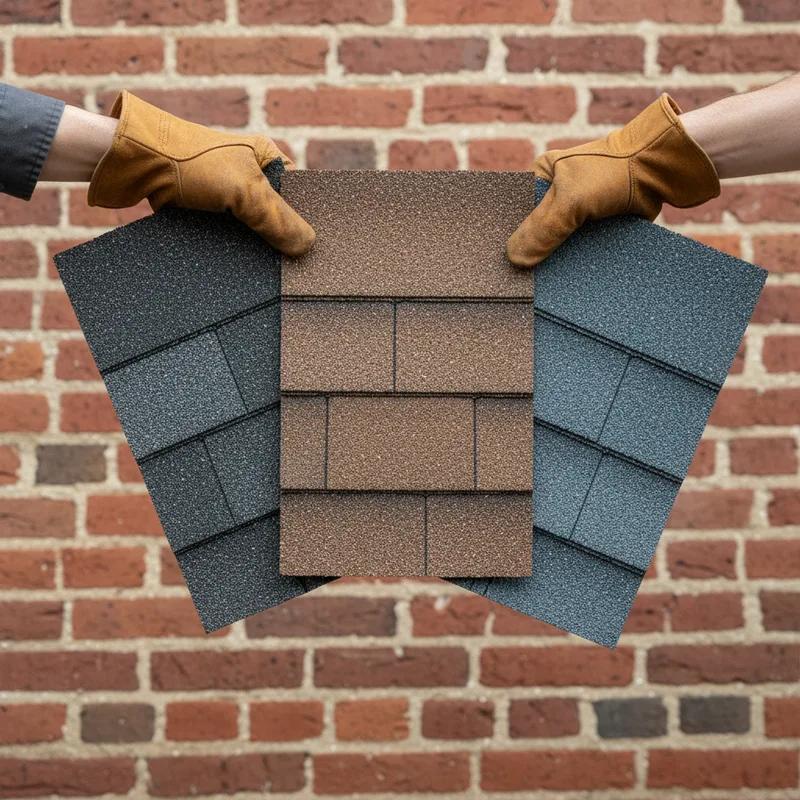
When in doubt, request physical shingle samples from your contractor and hold them against your home's exterior in both direct sunlight and shade. Colors look dramatically different under different lighting conditions, and what appears charcoal on a showroom display board may read nearly black on your actual roof.


4

Shingle Color and Energy Efficiency: What Philadelphia Homeowners Need to Know

Philadelphia's climate makes energy efficiency a legitimate factor in your shingle color decision. With summer temperatures regularly climbing into the upper 80s and 90s—and urban heat island effects pushing city temperatures even higher than surrounding suburbs—the color of your roof can meaningfully affect your home's cooling load and energy bills.

Dark-colored shingles, such as deep charcoal, black, or dark brown, absorb a higher percentage of solar radiation. This can raise attic temperatures significantly on hot summer days, forcing your air conditioning system to work harder and increasing your energy costs. In a dense Philadelphia neighborhood where homes share walls and have limited shade from mature trees, this effect is amplified.

Light-colored or 'cool' shingles—whites, light grays, tans, and beiges—reflect more sunlight and emit absorbed heat more readily. Many modern shingles are also manufactured with reflective granule technology that allows even medium-toned shingles to perform better thermally than their color alone would suggest. Look for shingles that carry the ENERGY STAR certification, which indicates they meet EPA standards for solar reflectance and thermal emittance.

Philadelphia's Office of Sustainability has promoted cool roof initiatives as part of the city's broader climate action goals. While specific rebate programs change over time, it's always worth checking with the Philadelphia Water Department and PECO Energy for current incentives tied to energy-efficient roofing upgrades before making your final selection.

That said, don't let energy efficiency override every other consideration. A white or light tan roof might be thermally optimal but look completely wrong on a dark brick rowhouse in South Philly. The good news is that today's shingle technology has narrowed the performance gap considerably—a medium-gray shingle with reflective granules can perform nearly as well as a white one while still looking appropriate on your home. Ask your contractor specifically about cool-roof-rated products in the color range you're considering.


5

Practical Tips for Testing and Finalizing Your Shingle Color Choice

Once you've narrowed your shingle color options based on style, regulations, and energy performance, it's time to test your choices in the real world before committing. Shingle color selection is one of the most common sources of post-installation regret among homeowners, and a little extra diligence upfront can save you years of dissatisfaction.

Start by requesting large physical samples—not just small chips—from your roofing contractor. Most major manufacturers, including GAF, CertainTeed, and Owens Corning, offer sample boards or full shingle samples that give you a much more accurate sense of how the color will read at scale. Hold these samples against your home's exterior at different times of day: morning light, midday sun, and late afternoon shade all reveal different qualities in the same color.

Many manufacturers also offer online visualization tools that allow you to upload a photo of your home and digitally apply different shingle colors. While these tools aren't perfectly accurate, they're useful for eliminating obvious mismatches and narrowing your field of options before you invest time in physical samples.

Take a drive through your neighborhood and pay attention to homes with recently replaced roofs. Which colors look cohesive and well-chosen? Which ones feel jarring or out of place? Philadelphia's dense streetscapes mean your roof is visible to neighbors and passersby, and a color that works in isolation may look odd in the context of your block.

Consider your home's long-term plans as well. If you're planning to repaint your siding or replace your front door in the next few years, factor that into your shingle color decision now. Roofs typically last 25 to 30 years with quality architectural shingles, so you're choosing a color that will need to work with multiple future exterior updates.

Finally, consult with your roofing contractor about the specific products they recommend. An experienced Philadelphia roofer will have installed hundreds of roofs in the area and can offer grounded, practical advice about what works in local conditions and what tends to disappoint homeowners over time.


6

Working With a Philadelphia Roofing Contractor to Get the Color Right

Choosing the right shingle color is ultimately a collaborative process, and the quality of your roofing contractor can make or break the outcome. A knowledgeable local contractor brings more than installation expertise—they bring familiarity with Philadelphia's specific neighborhoods, building codes, permit requirements, and the products that perform best in the region's climate.

When interviewing contractors, ask specifically about their experience with color selection. Do they offer a consultation process that includes reviewing your home's architecture and exterior palette? Can they provide references from customers in your neighborhood or a similar housing style? A contractor who rushes past the color conversation and just hands you a manufacturer brochure may not be the right partner for a decision this significant.

Make sure your contractor is licensed and registered with Philadelphia's Department of Licenses and Inspections. Any roofing work that involves structural changes or full replacement typically requires a permit, and your contractor should handle that process on your behalf. Unpermitted work can create serious complications when you sell your home or file an insurance claim.

Also confirm that your contractor is familiar with any historic preservation requirements that apply to your property. If you're in or near a historic district, they should know the Certificate of Appropriateness process and be able to help you select materials that are likely to be approved.

Get your final shingle color selection documented in your written contract, including the manufacturer name, product line, and specific color code. This protects you if there's a miscommunication on installation day and ensures that any warranty claims reference the exact product installed.

Philly Roof Find makes it easy to connect with vetted, licensed Philadelphia roofing contractors who understand local architecture, regulations, and climate. Browse our directory to find professionals with proven track records in your specific neighborhood.

Frequently Asked Questions

What shingle colors work best on Philadelphia brick rowhouses?

Warm-toned shingles like weathered wood, autumn brown, and charcoal with warm undertones tend to complement Philadelphia's classic red and orange brick rowhouses most naturally. These colors harmonize with the brick rather than competing with it. Avoid stark cool grays or blue-toned shingles, which can look jarring against warm brick facades.

Do I need HOA or city approval before changing my shingle color in Philadelphia?

It depends on your property. If you belong to an HOA, check your governing documents for approved colors and materials before signing any roofing contract. If your home is in a Philadelphia historic district or is individually listed, you may need a Certificate of Appropriateness from the Philadelphia Historical Commission before work begins. Your roofing contractor should help you navigate these requirements.

Do lighter shingle colors actually save money on energy bills in Philadelphia?

Yes, lighter or 'cool' shingles can reduce attic temperatures on hot summer days, lowering your air conditioning costs. In Philadelphia's urban environment, where heat island effects are significant, this can make a meaningful difference. Look for ENERGY STAR-certified shingles with reflective granule technology, which allow even medium-toned colors to perform better thermally.

How long will my new shingle color look good before fading?

Quality architectural shingles from reputable manufacturers are designed to resist fading for many years, and most carry manufacturer warranties that cover significant color change. However, south-facing roofs in full sun exposure will experience more UV exposure than shaded or north-facing surfaces. Choosing a color with good UV-resistance ratings and a strong manufacturer warranty will give you the best long-term results.

Can I use a roofing visualization tool to preview shingle colors on my Philadelphia home?

Yes, most major shingle manufacturers—including GAF, CertainTeed, and Owens Corning—offer free online visualization tools where you can upload a photo of your home and preview different shingle colors digitally. These tools are helpful for eliminating obvious mismatches, but always follow up by testing large physical samples against your home's exterior in real lighting conditions before making a final decision.

James Callahan
Founder & Editor, Philly Roof Find

James founded Philly Roof Find to give Philadelphia homeowners a transparent, independent resource for evaluating roofing contractors. With a background in building trades and a focus on local construction practices, he writes practical guides grounded in Philadelphia-specific building codes, materials, and contractor standards.