Attic Insulation and Its Impact on Your Philadelphia Roof

Learn how proper attic insulation prevents ice dams, lowers energy bills, and extends your Philadelphia roof's lifespan. Expert tips for Philly homeowners.

Attic Insulation and Its Impact on Your Philadelphia Roof - Philadelphia roofing guide

Proper attic insulation is one of the most overlooked factors in roof health for Philadelphia homeowners.

James Callahan
Published April 7, 2026·Updated April 7, 2026
1

Why Attic Insulation Matters More Than You Think for Philadelphia Roofs

When most Philadelphia homeowners think about roof health, they picture shingles, flashing, and gutters. Rarely does attic insulation come to mind — yet it may be the single most influential factor in how well your roof performs and how long it lasts. In a city with weather extremes ranging from brutal winters with heavy snow to sweltering summers that push heat indexes above 100°F, your attic is the critical buffer zone between the elements and your living space.

Heat rises. In a poorly insulated attic, that heat escapes directly through your roof deck, creating a cascade of problems. In winter, escaping heat warms the roof surface unevenly, melting snow that then refreezes at the cold eaves — the classic recipe for ice dams. In summer, an under-insulated attic can reach temperatures above 150°F, accelerating the breakdown of roofing materials from the inside out.

Philadelphia's climate sits in USDA Hardiness Zone 7b and experiences a true four-season climate. The Delaware Valley's winters bring freezing rain, ice storms, and nor'easters, while summers are humid and hot. This thermal stress cycle — repeated year after year — is particularly hard on roofing systems. Proper attic insulation acts as a thermal stabilizer, reducing the severity of these temperature swings at the roof deck level.

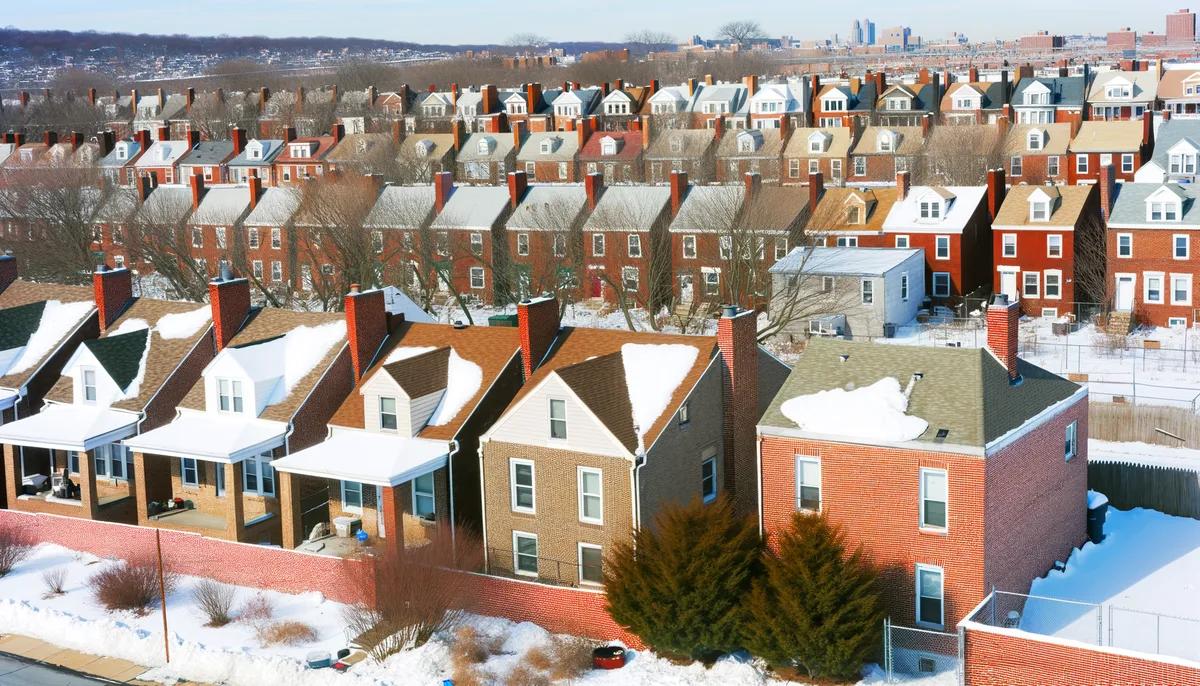
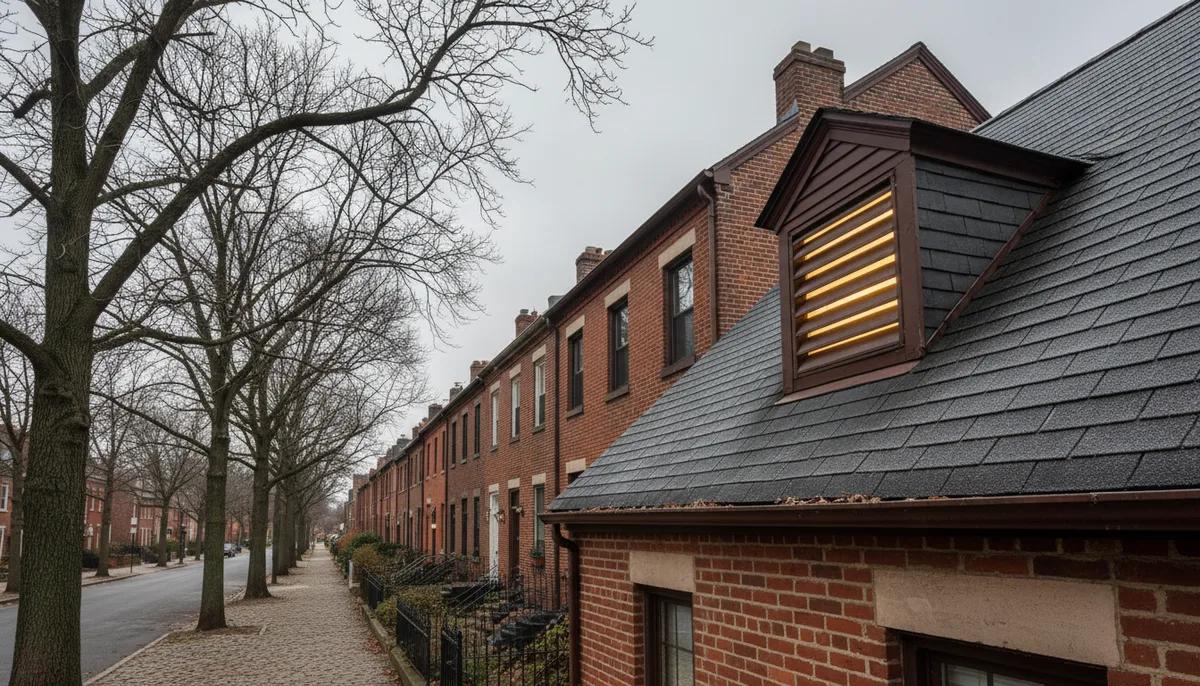
For the dense urban neighborhoods that define Philadelphia — from Fishtown and Kensington to West Philly and South Philly — many homes are older row houses with minimal original insulation or insulation that has degraded over decades. If your home was built before the 1980s and hasn't had an energy audit, there's a strong chance your attic insulation is either insufficient, compressed, or missing entirely in key areas. Addressing this is not just a comfort upgrade — it's a direct investment in your roof's structural integrity and longevity.
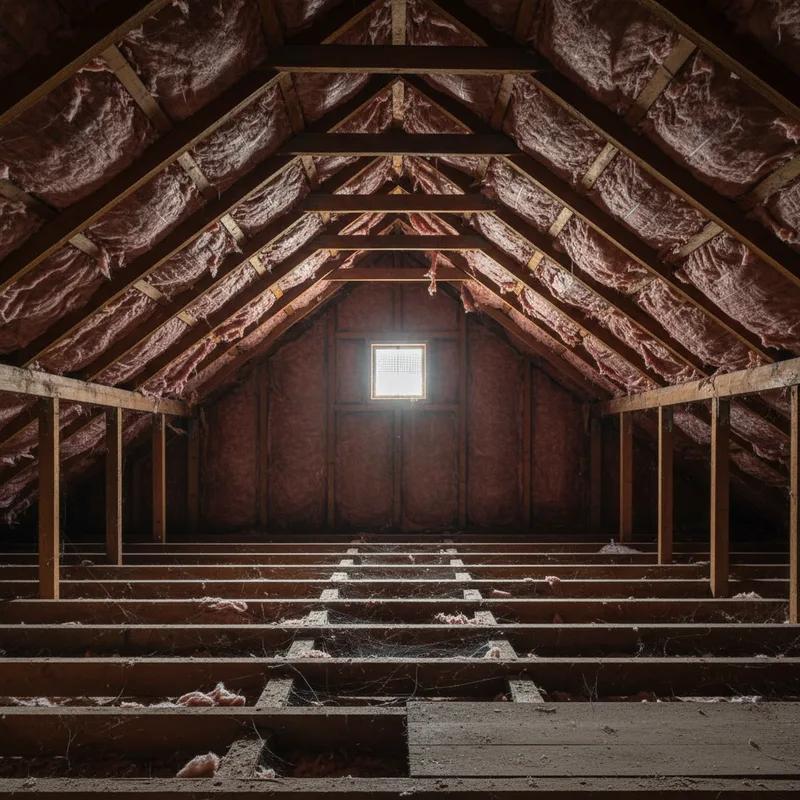
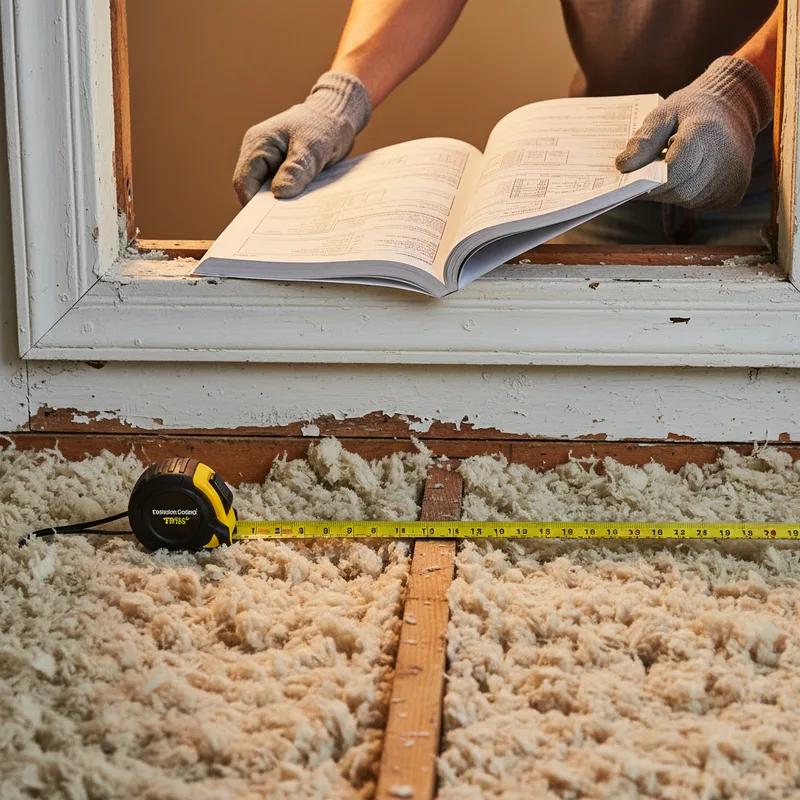
A Philadelphia row home attic with exposed rafters and insufficient fiberglass batt insulation visible between joists, illustrating a common insulation problem in older Philly homes
Why Attic Insulation Matters More Than You Think for Philadelphia Roofs

2

Understanding Ice Dams: Philadelphia's Winter Roof Threat

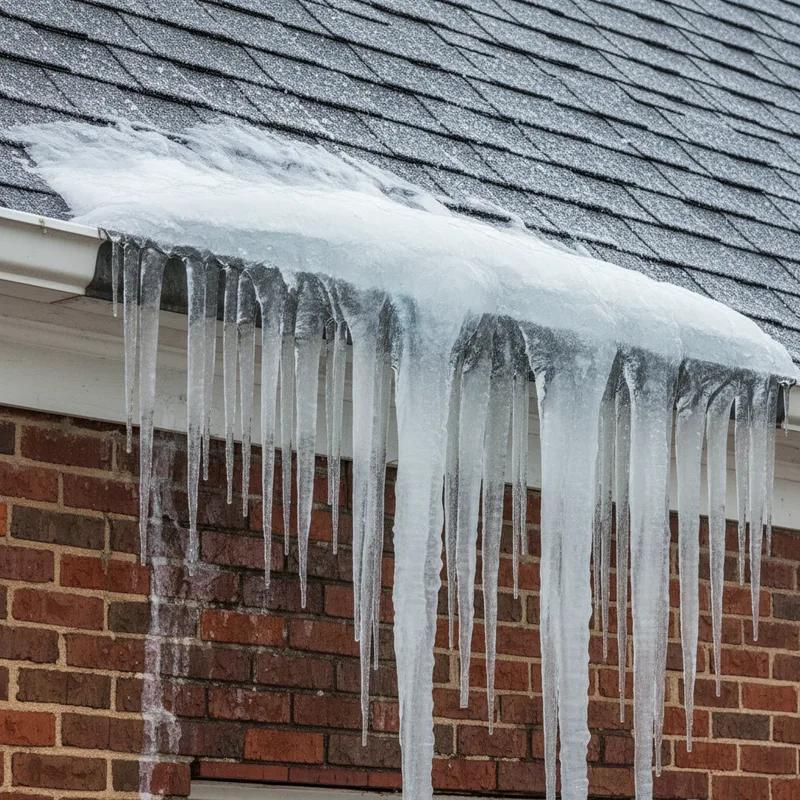
Ice dams are one of the most destructive winter roofing problems in the Philadelphia region, and attic insulation is the primary line of defense against them. An ice dam forms when heat escaping from a poorly insulated attic warms the upper portion of your roof, melting snow. That meltwater flows down toward the cold eaves and gutters, where it refreezes into a ridge of ice. As the cycle repeats, water backs up behind the ice dam and forces its way under shingles, into the roof deck, and eventually into your home's interior walls and ceilings.

Philadelphia typically sees multiple freeze-thaw cycles each winter, particularly in January and February. Neighborhoods like Northeast Philadelphia, Roxborough, and Chestnut Hill — where homes sit on hillsides and are exposed to more wind — can be especially vulnerable. Even a modest snowfall of 4–6 inches can produce significant ice damming on a roof with inadequate attic insulation.

The damage from ice dams is cumulative and expensive. Water infiltration rots roof decking, destroys insulation, promotes mold growth, and damages interior finishes. Insurance claims for ice dam damage can run into the tens of thousands of dollars, and many homeowners don't realize the root cause is an insulation problem rather than a roofing defect.

The fix is straightforward in principle: keep your attic cold in winter so the roof surface stays uniformly cold and snow doesn't melt unevenly. This requires a combination of adequate insulation at the attic floor (to keep heat in your living space where it belongs) and proper attic ventilation (to flush out any heat that does accumulate). Together, these two systems work to maintain a consistent, cold roof surface temperature throughout winter storms.

If you've noticed icicles larger than decorative size forming along your eaves, or have experienced interior water stains after winter storms, ice dams are likely the culprit — and your attic insulation deserves immediate attention.

Large ice dams and heavy icicles forming along the gutters and eaves of a brick Philadelphia row home after a winter snowstorm, showing signs of heat escaping through the roof
Understanding Ice Dams: Philadelphia's Winter Roof Threat

3

R-Value Requirements and Philadelphia Building Code Basics

Not all insulation is created equal, and understanding R-value — the measure of thermal resistance — is essential for making smart decisions about your attic. The higher the R-value, the better the insulation resists heat transfer. For Philadelphia homeowners, meeting or exceeding the minimum R-value requirements isn't just about code compliance; it's about real-world performance in a demanding climate.

Philadelphia falls within Climate Zone 4A as defined by the U.S. Department of Energy and referenced in the International Energy Conservation Code (IECC). For this zone, the current code calls for attic insulation with a minimum R-value of R-49 for new construction and major renovations. Many older Philadelphia homes — particularly the row homes that dominate neighborhoods like Point Breeze, Passyunk Square, and Brewerytown — may have only R-11 or R-19 insulation, or in some cases none at all in certain attic areas.

Philadelphia's Department of Licenses & Inspections (L&I) enforces building code requirements for insulation when permits are pulled for relevant work. If you're replacing your roof and your contractor opens up the attic or roof deck, it's an ideal time to assess and upgrade insulation to current code standards. Some insulation work may require a permit, so always check with L&I before beginning significant attic work.

Common insulation types used in Philadelphia attics include:

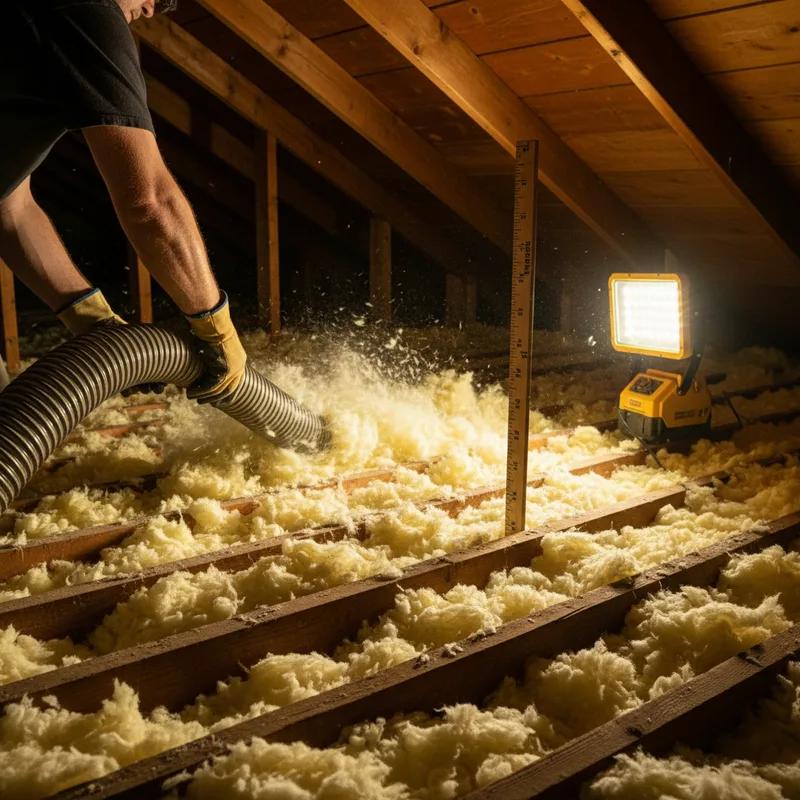
  • Blown-in cellulose or fiberglass: Ideal for finished attic floors and irregular joist spacing common in older row homes
  • Fiberglass batts: Cost-effective for open attic floors with standard joist spacing
  • Spray foam: Excellent air-sealing properties, often used in combination with other insulation, particularly around penetrations and at the eaves
  • Rigid foam board: Used on roof decks in low-slope or flat roof applications

A certified energy auditor can assess your current R-value and recommend the most cost-effective path to compliance and comfort.

A contractor using a blower machine to install blown-in cellulose insulation across the attic floor joists of a Philadelphia home, with insulation depth gauge sticks visible
R-Value Requirements and Philadelphia Building Code Basics

4

How Attic Insulation Reduces Energy Bills for Philadelphia Homeowners

Energy costs in Philadelphia have remained a significant concern for homeowners, and the attic is often the biggest source of energy loss in the home. The U.S. Department of Energy estimates that adding proper attic insulation can reduce heating and cooling costs by anywhere from 10% to 50%, depending on the starting condition of the home. For Philadelphia homeowners dealing with PECO electric bills that spike in both winter and summer, this is meaningful savings.

The mechanism is simple: when your attic is properly insulated, your HVAC system doesn't have to work as hard to maintain comfortable indoor temperatures. In winter, heat stays inside your living spaces rather than escaping through the attic and warming your roof. In summer, radiant heat from the sun-baked roof is blocked from entering your living spaces, keeping air conditioning loads lower.

For Philadelphia's row homes — which share walls with neighbors and therefore lose less heat through the sides — the attic and roof are disproportionately important as heat loss pathways. A well-insulated row home attic can make a dramatic difference in comfort, particularly on the top floor, which is often uncomfortably hot in summer and cold in winter due to attic proximity.

Beyond monthly utility savings, proper insulation also reduces the mechanical wear on your HVAC equipment, potentially extending its lifespan and reducing maintenance costs. It also improves indoor air quality by reducing moisture infiltration, which can contribute to mold and allergen buildup.

Philadelphia homeowners may be eligible for federal energy efficiency tax credits under the Inflation Reduction Act for qualifying insulation upgrades. Additionally, PECO offers energy efficiency rebate programs that can offset insulation installation costs. Always verify current program availability and requirements directly with PECO and a tax professional, as program details can change. The Pennsylvania Housing Finance Agency (PHFA) also periodically offers financing and grant programs for energy improvements in qualifying homes.

A Philadelphia homeowner reviewing their monthly PECO energy bill at a kitchen table, with an open attic hatch visible in the hallway behind them showing new insulation installed
How Attic Insulation Reduces Energy Bills for Philadelphia Homeowners

5

Attic Insulation's Direct Impact on Roof Longevity

Your roof's manufacturer warranty and expected lifespan assume a reasonably well-functioning attic environment. When attic conditions are poor — whether from inadequate insulation, improper ventilation, or excessive moisture — roofing materials degrade significantly faster than they should. Understanding this connection can help Philadelphia homeowners make smarter decisions about both insulation upgrades and roof replacements.

Heat is the enemy of asphalt shingles, which remain the dominant roofing material across Philadelphia's residential neighborhoods. Asphalt shingles contain volatile oils that keep them flexible and weather-resistant. Extreme heat — particularly the kind generated in an under-insulated attic — bakes these oils out of the shingles prematurely, causing them to become brittle, crack, and curl. A roof that should last 25–30 years may fail in 15–18 years under these conditions.

Moisture is the other major threat. When warm, moist air from your living space rises into a poorly insulated attic, it can condense on the cold roof deck and rafters, leading to wood rot, mold, and structural deterioration. Over time, a compromised roof deck can no longer adequately support roofing materials, leading to sagging, nail pops, and accelerated shingle failure. In Philadelphia's humid summers, this moisture cycling is a year-round concern.

Proper attic insulation, combined with adequate ventilation, keeps the attic environment stable — reducing thermal extremes and controlling moisture. This directly translates to:

  • Shingles that retain their flexibility and protective granules longer
  • A roof deck that stays dry and structurally sound
  • Flashing and sealants that don't experience as much thermal expansion and contraction
  • Gutters and eaves that aren't repeatedly stressed by ice dam formation

For Philadelphia homeowners who are already planning a roof replacement, investing in attic insulation at the same time is one of the smartest financial decisions you can make. It protects your new roof investment from day one and can meaningfully extend the time before your next replacement is needed.

A roofing contractor inspecting a deteriorated roof deck with warped plywood sheathing in a Philadelphia attic, showing moisture damage and early wood rot caused by poor insulation and ventilation
Attic Insulation's Direct Impact on Roof Longevity

6

Practical Steps for Philadelphia Homeowners: Getting Your Attic Insulation Right

If you're convinced that your attic insulation deserves attention — and most Philadelphia homeowners should be — here's a practical roadmap for moving forward effectively and avoiding common pitfalls.

Start with a professional energy audit. Before spending a dollar on insulation, have a certified energy auditor assess your home. They'll use tools like blower door tests and thermal imaging cameras to identify exactly where your home is losing energy and where air leaks exist. The Pennsylvania Department of Environmental Protection and PECO both offer pathways to connect with certified auditors. This audit gives you a prioritized action plan rather than guesswork.

Address air sealing before adding insulation. This is the step most homeowners skip, and it's a costly mistake. Gaps around light fixtures, plumbing penetrations, attic hatches, and chimneys allow warm air to bypass insulation entirely. Air sealing these penetrations with spray foam or caulk before adding insulation dramatically improves performance. In Philadelphia row homes, the party walls that extend into the attic are a particularly common air leakage point.

Choose the right insulation type for your attic configuration. Philadelphia's row homes often have low-pitch roofs, limited attic access, and irregular framing from renovations over the decades. Blown-in insulation is frequently the best choice for these conditions because it conforms to irregular spaces and can be installed without major disruption. For homes with accessible attic floors, batts or blown-in over existing insulation are both viable options.

Hire a licensed, experienced contractor. In Philadelphia, insulation contractors should be licensed through the state and familiar with local building codes. Ask for references from other Philadelphia homeowners, verify their license through the Pennsylvania Attorney General's Home Improvement Contractor registry, and get at least three written estimates.

Pair insulation with proper ventilation. Insulation and ventilation work together — not against each other. Ensure your soffit vents and ridge vents are clear and functioning before adding attic insulation. A qualified roofing or insulation contractor can assess your ventilation as part of the project.

Taking these steps in sequence will maximize your investment and ensure your Philadelphia roof performs at its best for years to come.

A certified energy auditor using a thermal imaging camera in a Philadelphia row home attic to identify heat loss areas and air leaks before recommending insulation improvements
Practical Steps for Philadelphia Homeowners: Getting Your Attic Insulation Right

Frequently Asked Questions

How much attic insulation does a Philadelphia home need?

Philadelphia falls in Climate Zone 4A, which calls for a minimum R-49 in attic spaces under current energy codes. Many older Philadelphia homes — especially pre-1980s row homes — have significantly less than this, often R-11 to R-19 or none at all. A professional energy audit can measure your current R-value and recommend the most cost-effective upgrade path.

Can attic insulation really prevent ice dams in Philadelphia winters?

Yes — proper attic insulation is the most effective long-term solution for preventing ice dams. Ice dams form when heat escaping through a poorly insulated attic warms the roof surface and melts snow, which then refreezes at the cold eaves. By keeping that heat in your living space where it belongs, good attic insulation keeps the roof surface uniformly cold and prevents the melt-refreeze cycle. Pairing insulation with adequate attic ventilation makes this protection even more effective.

Does attic insulation affect my roof warranty?

It can. Many roofing material manufacturers specify minimum ventilation and attic conditions as part of their warranty requirements. An attic that is too hot due to poor insulation can void a shingle warranty by causing premature degradation. When having a new roof installed, ask your contractor to confirm that your attic insulation and ventilation meet the manufacturer's warranty specifications.

Are there financial assistance programs for attic insulation in Philadelphia?

Philadelphia homeowners have several potential avenues for financial help with insulation upgrades. Federal energy efficiency tax credits under the Inflation Reduction Act may apply to qualifying insulation projects — consult a tax professional for current limits. PECO offers energy efficiency rebate programs, and the Pennsylvania Housing Finance Agency (PHFA) periodically offers financing for qualifying homeowners. The Philadelphia Energy Authority also connects residents with energy efficiency resources. Always verify current program availability directly with each organization, as details change.

Should I upgrade attic insulation at the same time as a roof replacement?

Absolutely — combining attic insulation upgrades with a roof replacement is one of the smartest moves a Philadelphia homeowner can make. The roof replacement already involves contractor labor and potential access to the attic or roof deck, making it a cost-efficient time to add or upgrade insulation. More importantly, proper insulation protects your new roof investment by reducing thermal stress on shingles and preventing ice dam formation from day one.

James Callahan
Founder & Editor, Philly Roof Find

James founded Philly Roof Find to give Philadelphia homeowners a transparent, independent resource for evaluating roofing contractors. With a background in building trades and a focus on local construction practices, he writes practical guides grounded in Philadelphia-specific building codes, materials, and contractor standards.